From Auschwitz, a Torah as Strong as Its Spirit
By JAMES BARRON
The back story of how a Torah got from the fetid barracks of Auschwitz to the ark of the Central Synagogue at Lexington Avenue and 55th Street is one the pastor of the Lutheran church down the street sums up as simply “miraculous.”
Rabbi Menachem Youlus of the Save a Torah foundation.
It is the story of a sexton in the synagogue in the Polish city of Oswiecim who buried most of the sacred scroll before the Germans stormed in and later renamed the city Auschwitz. It is the story of Jewish prisoners who sneaked the rest of it — four carefully chosen panels — into the concentration camp.
It is the story of a Polish Catholic priest to whom they entrusted the four panels before their deaths. It is the story of a Maryland rabbi who went looking for it with a metal detector. And it is the story of how a hunch by the rabbi’s 13-year-old son helped lead him to it.
This Torah, more than most, “is such an extraordinary symbol of rebirth,” said Peter J. Rubinstein, the rabbi of Central Synagogue. “As one who has gone to the camps and assimilates into my being the horror of the Holocaust, this gives meaning to Jewish survival.”
On Wednesday, the restored Torah will be rededicated in honor of Holocaust Remembrance Day, which for more than 20 years the congregation of Central Synagogue has observed in conjunction with its neighbor, St. Peter’s Lutheran Church, at Lexington Avenue and 54th Street. The senior pastor, the Rev. Amandus J. Derr, said that next to Easter, the Holocaust memorial is “the most important service I attend every year.”
The Torah from Auschwitz “is a very concrete, tactile piece of that remembrance — of what people, some of whom did it in the name of Christ, did to people who were Jewish,” Pastor Derr said, “and the remembrance itself enables us to be prepared to prevent that from happening again.”
A Torah scroll contains the five books of Moses, and observant Jews read a portion from it at services. Its ornate Hebrew must be hand-lettered by specially trained scribes, and it is considered unacceptable if any part is marred or incomplete. For years, Jews around the world have worked to recover and rehabilitate Torahs that disappeared or were destroyed during the Holocaust, returning them to use in synagogues.
This Torah remained hidden for more than 60 years, buried where the sexton had put it, until Rabbi Menachem Youlus, who lives in Wheaton, Md., and runs the nonprofit Save a Torah foundation, began looking for it about eight years ago. Over two decades, Rabbi Youlus said, the foundation has found more than 1,000 desecrated Torahs and restored them, a painstaking and expensive process. This one was elusive. But Rabbi Youlus was determined.
He had heard a story told by Auschwitz survivors: Three nights before the Germans arrived, the synagogue sexton put the Torah scrolls in a metal box and buried them. The sexton knew that the Nazis were bent on destroying Judaism as well as killing Jews.
But the survivors did not know where the sexton had buried the Torah. Others interested in rescuing the Torah after the war had not found it.
As for what happened during the war, “I personally felt the last place the Nazis would look would be in the cemetery,” Rabbi Youlus said in a telephone interview Tuesday, recalling his pilgrimage to Auschwitz, in late 2000 or early 2001, in search of the missing Torah. “So that was the first place I looked.”
With a metal detector, because, if the story was correct, he was hunting for a metal box in a cemetery in which all the caskets were made of wood, according to Jewish laws of burial. The metal detector did not beep. “Nothing,” the rabbi said. “I was discouraged.”
He went home to Maryland. One of his sons, Yitzchok, then 13, wondered if the cemetery was the same size as in 1939. They went online and found land records that showed that the present-day cemetery was far smaller than the original one.
Rabbi Youlus went back in 2004 with his metal detector, aiming it at the spot where the g’neeza — a burial plot for damaged Torahs, prayer books or other papers containing God’s name — had been. It beeped as he passed a house that had been built after World War II.
ESTE SITIO ESTA ORIENTADO AL MUNDO JUDIO EN TODAS SUS EXPRESIONES, LA ACTUALIDAD ISRAELI Y AL ESCLARECIMIENTO Y LA VERDAD DE LOS HECHOS QUE SUCEDEN EN MEDIO ORIENTE.


LA FOTO QUE NOS GUSTARIA VIVIR

PAZ ES LA UNICA SOLUCION
"NO HAY CAMINO PARA LA PAZ, LA PAZ ES EL CAMINO"

MAHATMA GHANDI
ANTISEMITISMO
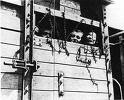
El antisemitismo es un término que hace referencia al prejuicio o la hostilidad abierta hacia los judíos como grupo generalizado. Suele manifestarse en una combinación de prejuicios de tipo religiosos, raciales, culturales y étnicos. Aunque la etimología del término podría dar a entender que se trate de un prejuicio contra los pueblos semitas en general, el término se usa en forma exclusiva para referirse a la hostilidad contra los judíos.
¿PORQUE JUDIO?
EN ESTE VIDEO ENCONTRARAS ALGUNAS RESPUESTAS A TUS PREGUNTAS. Hace click sobre la imagen del candelabro.
POBLACION JUDIA MUNDIAL

AÑO 2008
RED INTERNACIONAL DE HASBARA

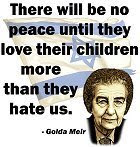
PALABRAS DE GOLDA MEIR
INTERNATIONAL SITE


IMPORTANTE
EL CONTENIDO DE LOS ARTICULOS QUE AQUI SE REPRODUCEN TIENEN EL NOMBRE DEL AUTOR U
ORIGEN DE LA INFORMACION Y NO NECESARIAMENTE REFLEJAN LA OPINION DE
EL AUTOR DEL BLOG.
ORIGEN DE LA INFORMACION Y NO NECESARIAMENTE REFLEJAN LA OPINION DE
EL AUTOR DEL BLOG.
SEGUIDORES DEL BLOG
CONVERSOR DE CALENDARIOS
SI QUERES CONVERTIR TU FECHA DE NACIMIENTO DEL CALENDARIO GREGORIANO AL CALENDARIO JUDIO O VICEVERSA SOLO DEBES CLIQUEAR EN EL SITIO ABAJO DETALLADO E INTRODUCIR LOS DATOS SOLICITADOS: www.hebcal.com/converter/
TRADUCTOR DE HEBREO
SI NECESITAS TRADUCIR DEL HEBREO A 15 IDIOMAS DIFERENTES SOLO DEBES CLIQUEAR EN EL SITIO http://tirgumchik.appspot.com/
ISRAEL TE ESPERA CON UNA SONRISA

Archivo del blog
-
►
2010
(687)
- ► 07/25/10 - 08/01/10 (1)
- ► 06/27/10 - 07/04/10 (1)
- ► 06/13/10 - 06/20/10 (14)
- ► 06/06/10 - 06/13/10 (1)
- ► 05/23/10 - 05/30/10 (11)
- ► 05/16/10 - 05/23/10 (21)
- ► 05/09/10 - 05/16/10 (20)
- ► 05/02/10 - 05/09/10 (41)
- ► 04/25/10 - 05/02/10 (34)
- ► 04/18/10 - 04/25/10 (34)
- ► 04/11/10 - 04/18/10 (23)
- ► 04/04/10 - 04/11/10 (55)
- ► 03/28/10 - 04/04/10 (30)
- ► 03/21/10 - 03/28/10 (29)
- ► 03/14/10 - 03/21/10 (45)
- ► 03/07/10 - 03/14/10 (40)
- ► 02/28/10 - 03/07/10 (31)
- ► 02/21/10 - 02/28/10 (20)
- ► 02/14/10 - 02/21/10 (23)
- ► 02/07/10 - 02/14/10 (52)
- ► 01/31/10 - 02/07/10 (33)
- ► 01/24/10 - 01/31/10 (31)
- ► 01/17/10 - 01/24/10 (23)
- ► 01/10/10 - 01/17/10 (30)
- ► 01/03/10 - 01/10/10 (44)
-
►
2009
(1726)
- ► 12/27/09 - 01/03/10 (13)
- ► 12/20/09 - 12/27/09 (36)
- ► 12/13/09 - 12/20/09 (29)
- ► 09/20/09 - 09/27/09 (22)
- ► 09/13/09 - 09/20/09 (23)
- ► 09/06/09 - 09/13/09 (26)
- ► 08/30/09 - 09/06/09 (59)
- ► 08/16/09 - 08/23/09 (19)
- ► 08/09/09 - 08/16/09 (26)
- ► 08/02/09 - 08/09/09 (32)
- ► 07/26/09 - 08/02/09 (20)
- ► 07/19/09 - 07/26/09 (25)
- ► 07/12/09 - 07/19/09 (31)
- ► 07/05/09 - 07/12/09 (32)
- ► 06/28/09 - 07/05/09 (38)
- ► 06/21/09 - 06/28/09 (38)
- ► 06/14/09 - 06/21/09 (41)
- ► 06/07/09 - 06/14/09 (57)
- ► 05/31/09 - 06/07/09 (47)
- ► 05/24/09 - 05/31/09 (28)
- ► 05/17/09 - 05/24/09 (50)
- ► 05/10/09 - 05/17/09 (54)
- ► 05/03/09 - 05/10/09 (50)
- ► 04/26/09 - 05/03/09 (40)
- ► 04/19/09 - 04/26/09 (46)
- ► 04/12/09 - 04/19/09 (27)
- ► 04/05/09 - 04/12/09 (14)
- ► 03/29/09 - 04/05/09 (45)
- ► 03/22/09 - 03/29/09 (44)
- ► 03/15/09 - 03/22/09 (33)
- ► 03/08/09 - 03/15/09 (34)
- ► 03/01/09 - 03/08/09 (46)
- ► 02/22/09 - 03/01/09 (40)
- ► 02/15/09 - 02/22/09 (44)
- ► 02/08/09 - 02/15/09 (46)
- ► 02/01/09 - 02/08/09 (61)
- ► 01/25/09 - 02/01/09 (92)
- ► 01/18/09 - 01/25/09 (95)
- ► 01/11/09 - 01/18/09 (97)
- ► 01/04/09 - 01/11/09 (126)
-
▼
2008
(881)
- ► 12/28/08 - 01/04/09 (40)
- ► 12/21/08 - 12/28/08 (16)
- ► 12/14/08 - 12/21/08 (25)
- ► 12/07/08 - 12/14/08 (19)
- ► 11/30/08 - 12/07/08 (22)
- ► 11/23/08 - 11/30/08 (22)
- ► 11/16/08 - 11/23/08 (20)
- ► 11/09/08 - 11/16/08 (22)
- ► 11/02/08 - 11/09/08 (20)
- ► 10/26/08 - 11/02/08 (24)
- ► 10/19/08 - 10/26/08 (17)
- ► 10/12/08 - 10/19/08 (8)
- ► 10/05/08 - 10/12/08 (1)
- ► 09/21/08 - 09/28/08 (15)
- ► 09/14/08 - 09/21/08 (29)
- ► 09/07/08 - 09/14/08 (17)
- ► 08/31/08 - 09/07/08 (13)
- ► 08/24/08 - 08/31/08 (19)
- ► 08/17/08 - 08/24/08 (15)
- ► 08/10/08 - 08/17/08 (23)
- ► 08/03/08 - 08/10/08 (21)
- ► 07/27/08 - 08/03/08 (15)
- ► 07/20/08 - 07/27/08 (23)
- ► 07/13/08 - 07/20/08 (17)
- ► 07/06/08 - 07/13/08 (9)
- ► 06/29/08 - 07/06/08 (24)
- ► 06/22/08 - 06/29/08 (27)
- ► 06/15/08 - 06/22/08 (29)
- ► 06/08/08 - 06/15/08 (23)
- ► 06/01/08 - 06/08/08 (23)
- ► 05/25/08 - 06/01/08 (13)
- ► 05/18/08 - 05/25/08 (29)
- ► 05/11/08 - 05/18/08 (33)
-
▼
05/04/08 - 05/11/08
(13)
- HOY FESTEJAMOS 60 AÑOS DE ERETZ ISRAEL
- ACTUALIDAD
- NOVEDADES EN INTERNET SOBRE IOM HAATZMAUT
- DEPORTES
- NOVEDADES
- RESCATAN TORAH DE AUSCHWITZ (en ingles)
- La Declaración de la Independencia del Estado de I...
- HUMOR JUDIO
- 60 ANIVERSARIO
- NOTICIAS DEL MUNDO
- MI ENFOQUE DESDE ISRAEL
- PUBLICADO EN EL NEW YORK POST
- EL PELOTON MODERADO
- ► 04/27/08 - 05/04/08 (5)
- ► 04/20/08 - 04/27/08 (11)
- ► 04/13/08 - 04/20/08 (8)
- ► 04/06/08 - 04/13/08 (6)
- ► 03/30/08 - 04/06/08 (18)
- ► 03/23/08 - 03/30/08 (24)
- ► 03/16/08 - 03/23/08 (17)
- ► 03/09/08 - 03/16/08 (20)
- ► 03/02/08 - 03/09/08 (18)
- ► 02/24/08 - 03/02/08 (20)
- ► 02/17/08 - 02/24/08 (13)
- ► 02/10/08 - 02/17/08 (7)
- ► 02/03/08 - 02/10/08 (9)
- ► 01/27/08 - 02/03/08 (2)
- ► 01/20/08 - 01/27/08 (3)
- ► 01/13/08 - 01/20/08 (14)
VISITANTES DEL MUNDO

LOCALIZACION
CONCURSO MUNDIAL

BANDERA DE ISRAEL
60º ANIVERSARIO DE MEDINAT ISRAEL
60 AÑOS DE MEDINAT ISRAEL
RECORDACION A VICTIMAS DE LA SHOA

DIA INTERNACIONAL DE RECORDACION A LAS VICTIMAS DE LA SHOA
LINKS RECOMENDADOS
- BUSCADOR GENEALOGICO DE APELLIDOS
- CANCIONES EN IDISH Y HEBREO
- CANCIONES JUDIAS DEL MUNDO
- CONGRESO JUDIO EUROASIATICO
- CONGRESO JUDIO EUROPEO
- CONGRESO JUDIO LATINOAMERICANO
- CONGRESO JUDIO LATINOAMERICANO
- CONSEJO INTERNACIONAL DE PARLAMENTARIOS JUDIOS
- DEJAR MENSAJES EN EL KOTEL
- EMBAJADA DE ISRAEL EN ARGENTINA
- FESTIVIDADES JUDIAS POR CALENDARIO GREGORIANO
- HUMOR GRAFICO JUDIO
- INSTITUTO STEPHEN ROTH PARA EL ESTUDIO DEL ANTISEMITISMO Y EL RACISMO
- LA CIUDAD DE JERUSALEM DE ORO
- MAPA DE INCIDENTES ON LINE EN EL MUNDO
- MAPA INTERACTIVO DE ISRAEL
- MURO DE LOS LAMENTOS EN VIVO
- PAGINA PARA NIÑOS
- PASEO VIRTUAL POR ISRAEL
- UNION MUNDIAL DE ESTUDIANTES JUDIOS
- VISTAS AEREAS DE SITIOS EN ISRAEL
LINKS SOBRE SHOA (HOLOCAUSTO) EN INGLES
The following online resources represent a cross section of information related to the Holocaust available on the World Wide Web. To ease searching, the Web sites are grouped under topical headings and are annotated with brief descriptions.
Resources are in English, unless otherwise noted. The Museum does not officially endorse any particular site or its content. We appreciate your comments and feedback about this page; please e-mail the Library at mailto:%20library@ushmm.org.
“Ich habe den Krieg verhindern wollen« Georg Elser und das Attentat vom 8. November 1939 (RESISTANCE)http://www.georg-elser.de/Web site dedicated to the life and legacy of Georg Elser, whose attempted assassination of Adolf Hitler in 1939 failed. Includes a detailed history of the attack, accompanied by photographs, a bibliography, and Web links. Also offers electronic scans of primary source documentation including maps, newspapers, and Gestapo transcripts. [German]
"I am alive! It is a miracle from G'd." (SURVIVORS)http://www.blechner.com/An online exhibit by the Jewish Museum in Munich, Germany. Conveys the impact of the Holocaust by tracing the war-time experiences of one Munich family, the Blechners, in words and pictures. Summarizes the fate of each member of the family, some who survived in the camps or by emigrating, others who died. Includes numerous photographs and original documents. [German and English]
11th Armored Division (LIBERATION)http://www.11tharmoreddivision.com/Provides a history of the military division, also known as the “Thunderbolts,” that liberated Mauthausen concentration camp in May 1945. Includes photographs, recent articles, and information on current activities.
89th Infantry Division: Ohrdruf Concentration Camp (LIBERATION)http://www.89infdivww2.org/ohrdruf/index.htmWeb site chronicling the liberation of the Ohrdruf concentration camp near Erfurt, Germany, by the 89th Infantry Division, U.S. Army. Includes photographs and eyewitness accounts by liberators and survivors.
104th Infantry Division: Mittelbau-Dora Concentration Camp (LIBERATION)http://www.104infdiv.org/concamp.htmChronicles the liberation of Mittelbau-Dora concentration camp in Nordhausen, Germany by the 104th Infantry Division, United States Army. Includes photographs, eyewitness accounts by liberators and survivors, and links to related Web sites. Part of the Web site of the National Timberwolf Association, an association of World War II veterans of the 104th Infantry.
1939 Club (SURVIVORS)http://1939club.com/Web site for the Los Angeles-based "1939" Club, one of the largest organizations of Holocaust survivors in the world. Provides information about the Club's history, membership, and activities, including a schedule of upcoming events.
Aegis Trust (GENOCIDE AND HUMAN RIGHTS)http://www.aegistrust.org/Web site of the organization based in the United Kingdom that seeks to prevent genocide worldwide. Includes resources for educators, histories of 20th century genocides, a section on Darfur, survivor testimonies, and Web links. Provides full texts of key international treaties and primary sources on human rights and genocide in Rwanda and Darfur.
Africa Action: Campaign to Stop Genocide in Darfur (DARFUR)http://www.africaaction.org/campaign_new/darfur.phpDocuments the situation in Darfur through policy statements, position papers, news releases, and editorials. Includes an activists toolkit for individuals interested in taking action against the genocide in Darfur.
Alert: Sudan-Darfur (DARFUR)http://www.ushmm.org/conscience/alert/darfur/contents/01-overview/Primary page for the USHMM Committee on Conscience's genocide alert for Darfur. Includes an overview, statistics, an update on the current situation, news feeds, and links to online content related to the crisis in Darfur.
Allianz Versicherung im Dritten Reich (VICTIMS' ASSETS AND RESTITUTION)http://www.history.allianz.com/history/sp/index_en.htmlPresents a history of the Alliance Insurance Company from 1933-1945, and information on expropriation of assets during that period as well as information on post-war compensation of victims. Includes frequently asked questions, primary source documents, and a timeline. [English and German]
A Look Back At Nuremberg (WAR CRIMES TRIALS)http://www.courttv.com/casefiles/nuremberg/Documentation by Court TV on the Trial of the Major War Criminals held before the International Military Tribunal in Nuremberg, November 1945 to October 1946. Includes full-text excerpts from the trial, an interview with an American prosecutor, a list of defendants and their sentences, and the text of international human rights legislation that has resulted from the trial.
AMCHA: The National Israeli Center for PsychosocialSupport of Holocaust Survivors and the Second Generation (SURVIVORS)http://www.amcha.org/indexEn.htmHighlights information about social activities, support groups, psychotherapy, and related opportunities for survivors and their families to confront the psychological scarring caused by the Holocaust. Provides a unique assortment of resources, including a collection of links to trauma resources online, information regarding post-traumatic stress disorder (PTSD), and a directory of support groups and professional centers around the world. Named after the code word that helped survivors identify fellow Jews in war-ravaged Europe.
America and the Holocaust (UNITED STATES AND THE HOLOCAUST)http://www.pbs.org/wgbh/amex/holocaust/Companion site to the PBS documentary on America's response to the Holocaust. Includes a timeline of events, transcripts from the broadcast, eyewitness interviews, scanned images of original documents, maps, photographs, and a teacher's guide.
American Jewish Committee Archives (UNITED STATES AND THE HOLOCAUST)http://www.ajcarchives.org/main.phpInteractive Web site documenting the work of the American Jewish Committee (AJC), including efforts to assist Jewish refugees fleeing Europe during World War II. Presents timelines, recordings of AJC radio broadcasts, historic films, television programs, and oral histories. Also includes the complete text of the American Jewish yearbooks published after 1899.
Amersfoort (CAMPS AND CAMP MEMORIALS)http://www.kampamersfoort.nl/Web site of camp Amersfoort, a transit and penal camp set up by the SS in the Netherlands in 1941. Features a history of the camp, an online tour, news updates, and a page on archaeological relics found at the site. Also includes numerous images, maps, and resources for further information. [Dutch, English, and Russian]
Amnesty International (GENOCIDE AND HUMAN RIGHTS)http://www.amnesty.org/An extensive Web site developed by Amnesty International, an organization established to protect human rights and track human rights violations worldwide. Features a full-text online archives and a library of news reports on human rights violations, information on their current campaigns, and links to regional Amnesty International offices and other human rights organizations.
Ancestry.com (GENEALOGY)http://www.ancestry.com/One of three "Internet properties" of MyFamily.com, Inc., a publishing house of genealogical resources. Features a comprehensive collection of searchable databases, such as the social security death index, census records, periodicals, newspapers, and military records. Limits access to some databases to subscribed members only.
Anne Frank Center USA (ANNE FRANK)http://www.annefrank.com/Web site for the Anne Frank Center USA, an educational center founded in 1977. Features an online scrapbook titled Anne's Story, and The Diary, a history of Anne Frank's diary with excerpts. Includes information about a traveling exhibition, Anne Frank in the World: 1929–1945.
Anne Frank House (Netherlands) (ANNE FRANK)http://www.annefrank.nl/Web site of the Anne Frank House in Amsterdam, a museum that maintains the hiding place where Anne Frank wrote her famous diary. Features numerous photographs of Anne, her family, and the others in hiding, as well as excerpts from her writings.
Anne Frank Trust (United Kingdom) (ANNE FRANK)http://www.annefrank.org.uk/Sister organization of the Anne Frank House in Amsterdam, Netherlands. Features information about a traveling exhibition, Anne Frank: A History for Today, and an extensive list of links related to Anne Frank.
Anti-Defamation League (ANTISEMITISM)http://www.adl.org/Web site of one of the largest organizations dedicated to fighting contemporary antisemitism around the world. Includes sections with information about active extremist organizations, articles about ADL efforts to combat bigotry and intolerance, and resources for educators wishing to explore these subjects with their students.
Armenian National Institute (GENOCIDE AND HUMAN RIGHTS)http://www.armenian-genocide.org/index.htmWeb site of the Armenian National Institute dedicated to "the study, research and affirmation of the Armenian Genocide" committed against the Armenian people of the Ottoman Empire during World War I. Includes full-text access to reports, proclamations, and articles; documentary evidence such as photographs; educational materials including encyclopedic entries, bibliographies, and suggested videos; and answers to frequently asked questions.
Arnold Liebster Foundation (NON-JEWISH VICTIMS)http://www.alst.org/Provides information about the history of the persecution of Jehovah’s Witnesses during the Holocaust. Includes survivor testimonies, information on traveling exhibits, and educational resources. [English, French, and German]
Association of “Children of the Holocaust” in Poland (SURVIVORS)http://www.dzieciholocaustu.org.pl/Web site for the Polish association that organizes, coordinates, and commemorates the activities of Polish Jews who were child survivors of the Holocaust. Includes information on the association's program to acknowledge and honor rescuers who assisted them.
Association of European Jewish Museums (MUSEUMS AND REMEMBRANCE ORGANIZATIONS)http://aejm.org/Collects the contact information and annual reports for the various Jewish museums located in thirty different European countries. Provides information on annual meetings and editions of the AEJM newsletter.
Association of Holocaust Organizations (MUSEUMS AND REMEMBRANCE ORGANIZATIONS)http://www.ahoinfo.org/The official Web site of the Association of Holocaust Organizations, a network of institutions working to advance Holocaust awareness, scholarly research, and education programs around the world. Includes a membership directory and information about upcoming conferences and seminars.
Association of Jewish Refugees (SURVIVORS)http://www.ajr.org.uk/Web presence for a charitable organization founded by Jewish refugees who fled Nazi-dominated Europe for Great Britain. Describes the Association's social service efforts, compensation claims assistance program, and ongoing work with survivors who escaped Europe by way of the Kindertransport rescue movement. Offers access to selected articles from the AJR Journal and a collection of links to related organizations.
A Teacher's Guide to the Holocaust (EDUCATIONAL RESOURCES)http://fcit.coedu.usf.edu/holocaust/Offers a Holocaust timeline and topically arranged links to other resources, including photographs, lesson plans, and student activities. Provides expanded sections on music, art, and literature pertaining to the Holocaust, that include, respectively, sound files, reproductions of artwork, and short, annotated bibliographies. Produced by the University of South Florida and sponsored by the Florida Department of Education.
Auschwitz-Birkenau (CAMPS AND CAMP MEMORIALS)http://www.auschwitz-muzeum.oswiecim.pl/html/eng/start/index.htmlWeb site of the Auschwitz-Birkenau memorial place and museum, established in 1947 on the grounds of the former concentration camps, Auschwitz I and Auschwitz II-Birkenau. Includes a history of the camps, period and current photographs, information about the museum, and a list of its publications.
Auschwitz-Birkenau Online Photography Exhibit (PHOTOGRAPHS, FILM, AND TELEVISION)http://www.auschwitz-birkenau.org/Personal site featuring contemporary photographs of Auschwitz, Birkenau, and Krakow taken in commemoration of the 60th anniversary of the liberation of Auschwitz.
Auschwitz: Inside the Nazi State (PBS) (CAMPS AND CAMP MEMORIALS)http://www.pbs.org/auschwitz/Companion site to the PBS documentary series on the Auschwitz complex of concentration camps and its role in the Holocaust. Provides background on the Nazi concentration camp system, information on the historical development of Auschwitz, and a set of interactive maps and plans. Includes a timeline, glossary, photographs, teacher resources, and an interview with the filmmaker.
Auschwitz Jewish Center Foundation (MUSEUMS AND REMEMBRANCE ORGANIZATIONS)http://www.ajcf.org/Web site developed by the Auschwitz Jewish Center Foundation to support the Auschwitz Jewish Center created on the site of the Chevra Lomdei Mishnayot Synagogue in Oswiecim, Poland near the infamous Auschwitz-Birkenau concentration camp. Provides a brief history of the Jewish community in Oswiecim, photographs of exhibitions at the center, and texts of newspaper articles on the creation and opening of the center. Includes historic photographs of the town of Oswiecim, a chronology of local Jewish history, and a calendar of events.
Auschwitz Through the Lens of the SS: Photos of Nazi leadership at the camp (PHOTOGRAPHS, FILM, AND TELEVISION)http://www.ushmm.org/museum/exhibit/online/ssalbumProvides a description of the SS photograph album donated to the USHMM, biographical information on Nazi officials portrayed in the photographs, descriptions of the photographs in the album, and interviews with USHMM staff members who were instrumental in acquiring and processing the album.
Australian Memories of the Holocaust (EDUCATIONAL RESOURCES)http://www.holocaust.com.au/default.htmContains summary information and recollections about the Holocaust, along with lesson plans and comprehensive lists of resource materials for further reading, viewing and study. Also features the memories of people who experienced the events firsthand and are now living or have lived in Australia. Aimed particularly at students and teachers.
Austria: National Fund for Holocaust Victims (VICTIMS' ASSETS AND RESTITUTION)http://www.nationalfonds.org/Web site of the Austrian government with information about its reparation and restitution efforts for victims of National Socialism. Includes the full-text of various legal requirements and laws, links, and official contact information.
Avotaynu, Inc. (GENEALOGY)http://www.avotaynu.com/Part commercial, part informational Web site of Avotaynu, publisher of works on Jewish genealogy. Primarily provides an annotated catalog of items available for sale, including books, microfiche, maps, CD-ROMs, videos, and the journal, Avotaynu: The International Review of Jewish Genealogy. Features tools for genealogical research, such as databases, surname indexes, and links related to Jewish genealogy.
Bay Area Holocaust Oral History Project (ORAL HISTORY PROJECTS)http://www.bahohp.org/Web site for an organization that has recorded over one thousand oral histories of survivors in the San Francisco Bay Area. Provides access to several testimonies on the site, a timeline of the Holocaust, electronic versions of the project's newsletter, and additional educational resources.
BBC - History - World War II (DIGITAL RESOURCES AND ENCYCLOPEDIAS)http://www.bbc.co.uk/history/worldwars/wwtwo/Educational site sponsored by the British Broadcasting Corporation to provide information and primary sources on various aspects of the military, political, and social history of World War II, including the Holocaust. Offers scholarly articles, biographical profiles, photographs, maps, and audio and video clips of interviews.
Belzec (CAMPS AND CAMP MEMORIALS)http://www.belzec.org.pl/Web site for the memorial museum on the grounds of the Nazi extermination camp at Belzec, Poland. Reviews the history of the camp and provides information about the museum and its development. Includes maps, numerous historic photographs, and current photographs from the grounds of the memorial museum. [Polish]
Benjamin Ferencz Homepage (WAR CRIMES TRIALS)http://www.benferencz.org/Personal website of Benjamin Ferencz, the chief prosecutor for the United States at the Einsatzgruppen Trial conducted by the Nuremberg Military Tribunals from July 1947 to April 1948. Includes his biography, articles and lectures, and a bibliography of his published works.
Berga: Soldiers of Another War (CAMPS AND CAMP MEMORIALS)http://www.pbs.org/wnet/berga/Companion site to the PBS documentary about the Berga forced labor camp where many American prisoners of war (POWs) perished. Describes the Nazi practice of singling out POWs suspected of being Jewish, the harsh treatment these POWs received, and their eventual deportation to Berga am Elster, a subcamp of Buchenwald. Provides information on the Nazi camp system, Nazi war crimes, and the forced labor performed by POWs across Nazi Germany. Includes photographs, audio and video clips, and maps.
Bergen-Belsen (CAMPS AND CAMP MEMORIALS)http://www.bergen-belsen.de/en/Web site of the Bergen-Belsen memorial place and museum. Includes a history of the camp and a camp chronology, information about the museum and its permanent exhibition, a description of educational programs, resources, and events, and a list of camp publications. Features information about their efforts to document the fate of former camp prisoners. [German, French, and English]
Berlin Holocaust Memorial: Denkmal für die ermordeten Juden Europas (MUSEUMS AND REMEMBRANCE ORGANIZATIONS)http://www.holocaust-mahnmal.de/Informational Web site about the planning and construction of the Holocaust memorial in Berlin, published by the Foundation Denkmal für die ermordeten Juden Europas. Includes background information, architectural models, and photographs. [German and English].
Beyond the Pale: History of Jews in Russia (JEWISH CEMETERIES, COMMUNITIES, AND SYNAGOGUES)http://www.friends-partners.org/partners/beyond-the-pale/Online companion to the exhibit of the same name that has toured Russia since 1995. Provides an overview of Jewish history in Russia and the former Soviet Union, including a section on the experiences of Russian Jews during the Holocaust. [English and Russian]
Bosnia Documentary (film) (GENOCIDE AND HUMAN RIGHTS)http://cgi.pbs.org/wgbh/pages/frontline/shows/karadzic/Companion Web site to the documentary, The World's Most Wanted Man, by the public television program Frontline. Explores the role of Serbian warlord Radovan Karadzic in the atrocities and genocide committed during the Bosnia war. Features a detailed map of Serbian concentration camps, interviews, articles, biographical information, and more.
Breendonk Memorial (CAMPS AND CAMP MEMORIALS)http://www.breendonk.be/index.htmlWeb presence of the museum and memorial located on the site of the former Breendonk transit camp in Belgium. Includes a history of the camp and information about visiting the site. [Dutch, French, German, and English]
Breitenau (CAMPS AND CAMP MEMORIALS)http://www.gedenkstaette-breitenau.de/Web site of the Breitenau memorial place (Gedenkstätte), hosted by the University of Kassel. Documents the history of this little-known Gestapo prison and transit camp for political inmates, which is situated in a former cloister dating back to the 12th century. Includes a detailed chronology of the camp, an introduction to the permanent exhibition, and contact information. [German]
Buchenwald and Mittelbau-Dora (CAMPS AND CAMP MEMORIALS)http://www.buchenwald.de/index_en.htmlWeb site of the Buchenwald and Mittelbau-Dora memorial places (Gedenkstätten). Features an extensive history with photographs, a listing of news updates related to the memorial sites, an archive, library, and more. [English, German, and French.]
Budapest Holocaust Memorial Centre (MUSEUMS AND REMEMBRANCE ORGANIZATIONS)http://www.hdke.hu/Online presence of the museum and memorial in Budapest, the first government-funded institution of its type in central Europe. Includes a schedule of upcoming events, background information on the Holocaust in Hungary, and details of the planning process for the new Museum building. (Hungarian and English)
Business and the Holocaust (DIGITAL RESOURCES AND ENCYCLOPEDIAS)http://www.stockmaven.com/holocaust.htmWeb site offering full-text articles and links to resources concerned with the role of business leaders and corporations in the Holocaust.
Cambodian Genocide Program (GENOCIDE AND HUMAN RIGHTS)http://www.yale.edu/cgp/Project of Yale University's Genocide Studies Program, dedicated to documenting and chronicling the atrocities and genocide committed in the 1970s by the Khmer Rouge. Includes the Cambodian Genocide Database, that offers four distinct types of information: bibliographic, biographic, photographic, and geographic.
Candles Holocaust Museum (MUSEUMS AND REMEMBRANCE ORGANIZATIONS)http://www.candlesholocaustmuseum.org/Web site for the museum in Terre Haute, Indiana dedicated to the Children of Auschwitz Nazi Deadly Lab Experiments Survivors (CANDLES). Educates about the horrors of the Holocaust, especially the experiments on children perpetrated by Mengele and his staff at Auschwitz. Includes a list of names of twins used for Nazi experimentation.
Cape Town Holocaust Centre (MUSEUMS AND REMEMBRANCE ORGANIZATIONS)http://www.ctholocaust.co.za/Web site for the Holocaust Centre in Cape Town, South Africa. Provides general information about the center and its permanent exhibition. Explores the center's aim to educate about the dangers of racism and prejudice in light of the Holocaust.
Center for Holocaust and Humanity Education (EDUCATIONAL RESOURCES)http://www.holocaustandhumanity.org/Web site with information about the center's activities and resources for educators, students, Holocaust survivors and liberators. A program of the Hebrew Union College Jewish Institute of Religion.
Center for Jewish History (RESEARCH INSTITUTIONS AND ARCHIVES)http://www.cjh.org/Web site of the Center for Jewish History that serves as a gateway to five major institutions of Jewish scholarship: the American Jewish Historical Society, American Sephardi Federation, Leo Baeck Institute, Yeshiva University Museum, and YIVO Institute for Jewish Research. Provides an overview of their combined collections, including the resources of the Center for Jewish History Genealogy Institute, contact information, and a calendar of events.
Centre de Documentation Juive Contemporaine (RESEARCH INSTITUTIONS AND ARCHIVES)http://www.memorialdelashoah.org/Official Web site of the Centre de Documentation Juive Contemporaine, a memorial and research center dedicated to the Jews deported from France. Describes the history of the Center, the range of its library and archival holdings, its exhibits, and its ongoing activities. Also provides a virtual tour of the memorial, an overview of the history of the Holocaust, and a searchable database of victims deported from France. [French and English]
Centre for Historical Research and Documentation on War and Contemporary Society (CEGES/SOMA) (RESEARCH INSTITUTIONS AND ARCHIVES)http://www.cegesoma.be/Informational site for the research institution founded in 1969 by the Belgian government to collect information and documentation on the history of World War II in Belgium. Provides access to the center's database of archival, library, and photographic holdings; excerpts from its publications; and information on the events and scholarly activities it sponsors.
Centropa: Connecting the World to the Lands of Jewish Heritage (JEWISH CEMETERIES, COMMUNITIES, AND SYNAGOGUES)http://centropa.org/Provides information about Jewish history and current events in Central and Eastern Europe, the former Soviet Union, Turkey, and the Balkans. Includes links, research articles, recipes, travel information, and current events. Operated by the Central Europe Center for Research and Documentation.
Children of Jewish Holocaust Survivors (SURVIVORS)http://www.cjhsa.org/Coordinates activities for children and grandchildren of Philadelphia-area Holocaust survivors. Includes information on film festivals and scholarship opportunities.
Children of the Holocaust (CHILDREN)http://www.museumoftolerance.com/site/pp.asp?c=arLPK7PILqF&b=249685Online exhibition created by the Simon Wiesenthal Center's Museum of Tolerance to illustrate the tragic fate of many children caught up in the Holocaust. Provides a short biography and photograph of each of over one hundred children, most of whom became victims of the Nazi regime.
Cinematography of the Holocaust (PHOTOGRAPHS, FILM, AND TELEVISION)http://www.cine-holocaust.de/eng/index.htmlPresents a searchable database of nearly 1,700 Holocaust-related films and footage dating back to World War II. Created and maintained by the Fritz Bauer Institute in Frankfurt am Main, Germany.
Claims Conference (VICTIMS' ASSETS AND RESTITUTION)http://www.claimscon.org/Web site of the Conference on Jewish Material Claims Against Germany, featuring the Guide to Compensation and Restitution for Holocaust Survivors. Identifies and explains some of the major programs and resources for Holocaust survivors and their heirs. Includes information on the conference's sister agency, the Committee for Jewish Claims on Austria.
Claims Resolution Tribunal (VICTIMS' ASSETS AND RESTITUTION)http://www.crt-ii.org/Official information Web site for the Claims Resolution Tribunal of the Holocaust Victim Assets Litigation against Swiss Banks and other Swiss Entities. Provides information about relevant court documents, case summaries, instructions for how to file a claim, and a collection of frequently-asked questions.
Colditz Castle: Nazi Prison Escape (CAMPS AND CAMP MEMORIALS)http://www.pbs.org/wgbh/nova/naziprison/Companion site to a PBS documentary on a series of escape attempts by Allied prisoners of war at Colditz Castle, a medieval edifice converted into a Nazi prison. Includes a timeline of events, transcripts from the broadcast, scanned images of original documents, maps, photographs, eyewitness interviews, and links to related Web sites.
Comité Vrouwenconcentratiekamp Ravensbrück (CAMPS AND CAMP MEMORIALS)http://www.ravensbruck.nl/Site created in conjunction with a group of Dutch survivors from the women's concentration camp, Ravensbrück. Offers information on the memorial created by the Comité, the history of Ravensbrück, the group's educational and remembrance activities, and art and poetry related to the camp. [Dutch]
Compact Memory - Internetarchiv jüdischer Periodika (DIGITAL RESOURCES AND ENCYCLOPEDIAS)http://www.compactmemory.de/Online library of full-text German Jewish periodicals from the 19th and early 20th centuries. Offers browsing and keyword searches of the digital images of more than 20 journals and newspapers. Sponsored by the Rheinisch-Westfälische Technische Hochschule Aachen and the city libraries of Frankfurt am Main and Köln, Germany. [German]
Convoy73 (MUSEUMS AND REMEMBRANCE ORGANIZATIONS)http://www.convoi73.org/Presents the history and experiences of the 900 people aboard Convoy 73 deported to Auschwitz from the transit camp Drancy near Paris on May 15, 1944. Includes images of the memorial site and the full list of names.
Coordination Forum for Countering Antisemitism (ANTISEMITISM)http://www.antisemitism.org.il/Project of the Israeli Government to document contemporary acts of antisemitism worldwide. Includes articles, Web links, a database of antisemitic cartoons and photographs, and an online presentation titled "Fighting Anti-Semitism." [English, Hebrew, Spanish, and French]
Crisis in Darfur: Satellite Mapping Initiative (DARFUR)http://www.ushmm.org/googleearthOnline satellite mapping initiative that allows Google Earth users to zoom-in and monitor potential and emerging genocides. The aim is to provide the public, governments, international organizations, and relief agencies with timely information that will help thwart or respond to genocide. The interactive feature includes links to statistical data, photos, videos, and eyewitness accounts.
Czech Republic: The Holocaust Phenomenon (VICTIMS' ASSETS AND RESTITUTION)http://old.hrad.cz/president/Havel/holocaust/index_uk.htmlThe online gateway to information regarding the program initiated by Czech President Vaclav Havel in 1997 to further discussion about the Holocaust in the Czech Republic and to inform about ongoing projects and compensation claims. Features information on the holdings of several Czech archives and a list of individuals whose properties were stolen by the Nazis. Also includes full-text articles on the Holocaust within the Czech borders as well as a summary of the proceedings of The Holocaust Phenomenon Conference, which took place in Terezin (Theresienstadt) and Prague in October 1999.
Czestochowa-Radmosko Area Research Group (CRARG) (JEWISH CEMETERIES, COMMUNITIES, AND SYNAGOGUES)http://www.benkazez.com/dan/crarg/index.phpProvides a database of surnames and other genealogical information for the Jewish communities near Czestochowa and Radmosko, Poland. Includes history of the area, a discussion forum, and links to outside resources.
Dachau (CAMPS AND CAMP MEMORIALS)http://www.kz-gedenkstaette-dachau.de/englisch/content/index.htmWeb site of the Dachau memorial place (Gedenkstätte). Features a history of Dachau, as well as links to other memorial sites and international remembrance organizations. [English and German]
Damanga Coalition for Freedom and Democracy (DARFUR)http://www.damanga.org/Web site of the organization that promotes human rights in Darfur. Contains press releases, human rights reports, event and action information, and Web links.
Darfur: A Genocide We Can Stop (DARFUR)http://www.darfurgenocide.org/Offers photographs and video testimony, a history of the conflict, Web links, and information for activists and advocates for peace in the region.
Darfur Peace and Development Organization (DARFUR)http://darfurpeaceanddevelopment.org/International reconciliation and relief organization founded by Sudanese intellectuals and activists to promote peace and justice in Darfur. Includes news reports, links to organization reports and briefings, photographs, and video and audio clips.
Darfur Scores (DARFUR)http://www.darfurscores.org/Consolidates voting information for each member of Congress with regard to federal legislation concerning the Darfur crisis as well as the prevention of future genocides. Provides news and analysis and encourages advocacy.
Daring to Resist: Three Women Face the Holocaust (RESISTANCE)http://www.pbs.org/daringtoresist/index.htmlCompanion Web site to the filmed portrait of three teenage girls who fought against the Nazis: Faye Schulman, a photographer and partisan fighter in the forests of Poland; Barbara Rodbell, a ballerina in Amsterdam who secured food and transportation for Jews in hiding; and Shulamit Lack, who acquired false papers for Jews escaping from Hungary. Presents biographical information about each young woman, an historical timeline, and links to related resources. Also provides a teacher's guide to the film that includes the film's transcript, a glossary, a bibliography, and study questions.
Deaf People Trapped in Hitler's Holocaust (NON-JEWISH VICTIMS)http://clerccenter.gallaudet.edu/WorldAroundYou/holocaust/index.htmlSpecial online issue of World Around You, the magazine published by Gallaudet University's Laurent Clerc National Deaf Education Center. Includes information on Nazi racial beliefs that made the deaf and other disabled people the target of forced sterilization and euthanasia programs, along with photographs, firsthand accounts by deaf people who suffered under the Nazis, and links to related online resources.
Department of State: Holocaust Issues (VICTIMS' ASSETS AND RESTITUTION)http://www.state.gov/www/regions/eur/holocausthp.htmlA portion of the Department of State's Web site focusing on Holocaust-related issues, particularly Holocaust assets. Features the full text of various reports, press releases, public remarks, and fact sheets, as well as the complete proceedings of the Washington Conference on Holocaust-Era Assets in PDF format. Includes contact information for dormant Swiss accounts and a special informational section on slave and forced labor issues.
Detroit Holocaust Memorial Center (MUSEUMS AND REMEMBRANCE ORGANIZATIONS)http://www.holocaustcenter.org/Web site of the Detroit Holocaust Memorial Center, dedicated to Holocaust remembrance and education. Describes the museum's features, including an archives, library, oral history department, exhibitions, and more. Allows online users to browse some of the archival and library holdings, including a listing of more than 1,000 memorial (yizkor) books and a collection of lectures on video.
Diapositiv.pl (JEWISH CEMETERIES, COMMUNITIES, AND SYNAGOGUES)http://www.diapozytyw.pl/en/site/Online information service with background details and links to sites about Jewish history and contemporary culture in Poland. Presents current events, an online dictionary of important terms, biographies of key Jewish figures from Polish history, discussion forums, bibliographies, and links to related Web sites. [Polish and English]
Die Münchner ISK-Gruppe (RESISTANCE)http://www.isk-muenchen.de/An online virtual exhibit about the members of the Munich International Socialist Combat League (Internationale Sozialistische Kampfbund) during World War II. Includes transcripts of interviews with members and member biographies, bibliographies, and the history of the League, accompanied by photographs, Web links, and videos. [German]
Digital Monument to the Jewish Community in the Netherlands (JEWISH CEMETERIES, COMMUNITIES, AND SYNAGOGUES)http://www.joodsmonument.nl/Online memorial project documenting the names of Jewish victims of the Holocaust from the Netherlands. Provides a searchable database of names and towns, along with other biographical details, where available, about individuals and families who perished. [Dutch and English]
Dignity & Defiance: The Confrontation of Life and Death in the Warsaw Ghetto (GHETTOS)http://motlc.wiesenthal.com/site/pp.aspx?c=ivKVLcMVIsG&b=476119Online exhibition about the Warsaw Jewish community and its tragic fate under Nazi occupation. Details the history of the Warsaw Ghetto through scholarly articles, letters, and other documents, as well as historic photographs. Provides a bibliography, filmography, and a glossary.
Doctors Without Borders: News from Sudan (DARFUR)http://www.doctorswithoutborders.org/news/sudan.cfmContains situation and activity reports, podcasts, photographs, videos, and links to activity reports from previous years.
Documentation and Cultural Centre of German Sinti and Roma (NON-JEWISH VICTIMS)http://www.sintiundroma.de/The Web site for the Documentation and Cultural Centre of German Sinti and Roma in Heidelberg, Germany. Documents the history of Sinti and Roma in Germany with emphasis on their persecution under the Third Reich. Describes the center's exhibitions, along with its publications, lectures, concerts, and seminars. Also includes links to related resources. [German, with some English pages]
Dokumentationsarchiv des Österreichischen Widerstandes (RESEARCH INSTITUTIONS AND ARCHIVES)http://www.doew.at/Web site of the DÖW, an archives founded in Vienna by former resistance fighters and historians. Describes their collections on resistance and persecution (1934-1945), exile, Nazi crimes, and right-wing extremism after 1945. Includes information specifically about the Anschluss and the anti-Jewish measures that followed, and provides a searchable database of more than 60,000 names of Austrian Jews who fell victim to the Holocaust. [German and English]
Donovan Nuremberg Trials Collection (WAR CRIMES TRIALS)http://library.lawschool.cornell.edu/WhatWeHave/SpecialCollections/Donovan/index.cfmOnline finding aid and digital collection of resources from the Donovan Nuremberg Trials Collection, taken from the personal archives of General William J. Donovan, special assistant to the U.S. chief of counsel during the trials.
Dutch Jewish Genealogical Data Base (GENEALOGY)http://www.dutchjewry.org/Gateway to genealogical research for the Jewish communities of the Netherlands. Includes Web links, family trees, databases, and photographs.
Ebensee (CAMPS AND CAMP MEMORIALS)http://www.ebensee.org/Web site of the Ebensee Concentration Camp Memorial. Documents the history of this Upper Austrian satellite camp of Mauthausen from its opening in November 1943 to its liberation in May 1945. Includes information on the Museum of Modern History in Ebensee. [German, French, English, and Polish]
Education, Art, and Theater in KZ Terezin (THE ARTS AND THE HOLOCAUST)http://makarovainit.com/Web site of the Elena Makarova Initiative Group, an organization dedicated to the study of the arts in Theresienstadt concentration camp. Includes images of theater posters, stage design sketches, art work by imprisoned artists, biographies of camp inmates, survivor testimonies, and a bibliography of films about the camp. [English and Czech]
Educational Resources: The Center for Holocaust and Genocide Studies, University of Minnesota (EDUCATIONAL RESOURCES)http://www.chgs.umn.edu/Educational_Resources/educational_resources.htmlWeb page within the Center for Holocaust and Genocide Studies site, University of Minnesota. Features curriculum guides, teacher resources, conference papers, information about upcoming seminars and events, and a collection of links.
Eisenhower Library: Holocaust (UNITED STATES AND THE HOLOCAUST)http://www.eisenhower.archives.gov/dl/holocaust/holocaustpage.htmlOnline collection of over 60 scans of original Holocaust-related documents from the Dwight D. Eisenhower Presidential Library in Abilene, KS. Includes official reports of Nazi atrocities against civilians as well as letters and telegrams describing Eisenhower's visit to the Ohrdruf concentration camp.
Electronic Field Trip: The Holocaust Museum Experience (EDUCATIONAL RESOURCES)http://ali.apple.com/holocaust/Online educational program consisting of a "virtual field trip" highlighting the United States Holocaust Memorial Museum's exhibitions, artifacts, and educational activities. Includes learning activities and student materials to help students explore the importance and consequences of daily decision-making. Presented by the Museum in conjunction with Ball State University.
Elie Wiesel Foundation for Humanity (ELIE WIESEL)http://www.eliewieselfoundation.org/Online presence of the Foundation, established using Wiesel’s monetary award from the Nobel Prize. Sponsors interdisciplinary conferences on the subjects of hatred and oppression as well as an annual essay contest for college and university students.
El Paso Holocaust Museum and Study Center (MUSEUMS AND REMEMBRANCE ORGANIZATIONS)http://www.elpasoholocaustmuseum.org/Web site for the Holocaust museum and educational center in El Paso, Texas. Offers general information about the museum's exhibitions, educational programs, and remembrance services.
Emsland Camps (CAMPS AND CAMP MEMORIALS)http://www.diz-emslandlager.de/dizen01.htmWeb site of the Dokumentations- und Informationszentrum Emslandlager. Chronicles fifteen lesser-known camps located in the Emsland region that were designated by the Nazis as concentration camps, prison camps, military prisons, POW camps, and subcamps of Neuengamme. [German, English, French, and Dutch]
European Roma Rights Center (ERRC) (GENOCIDE AND HUMAN RIGHTS)http://www.errc.org/International public interest law organization that monitors and educates about violence and discrimination against Roma (Gypsies), advocates Roma rights, maintains a documentation center, and offers other services. Features an online publication, a newsletter about developments in Roma rights worldwide, and lists of links to related online resources.
Exiled: Recollections of Jews from Burgenland (SURVIVORS)http://www.forschungsgesellschaft.at/emigration/index_e.htmCompanion site to a CD-ROM and book project that documents the lives of those Jews forced to flee the Austrian province of Burgenland in 1938. Relates the life stories of fifteen survivors originally from towns in Burgenland through brief texts, audio clips, and photographs. Includes current photographs of many Jewish historical sites in Burgenland and a collection of links to Austrian Holocaust-related organizations.
Exilpresse Digitale (DIGITAL RESOURCES AND ENCYCLOPEDIAS)http://deposit.ddb.de/online/exil/exil.htmWeb gateway for a collection of over 25 major German exile and anti-Nazi newspapers published from 1933 to 1945. Provides a title and author search engine, browsing capability, and brief publication histories for the newspapers. Created by the Deutsches Exilarchiv of Die Deutsche Bibliothek. [German]
Eyes On Darfur (DARFUR)http://www.eyesondarfur.org/Utilizes satellite imagery to document atrocities in Darfur as well as to monitor the situation in twelve villages deemed at risk by Amnesty International USA. Includes a gallery of photographs, an analysis of the conflict, and information on the international response to the situation.
Facing History and Ourselves (EDUCATIONAL RESOURCES)http://www.facing.org/Web site for the Facing History and Ourselves National Foundation, a nonprofit organization that promotes diversity and understanding among students of varied racial and cultural backgrounds. Discusses teacher and student workshops offered, classroom resources, including video and book lists, and research projects in which the organization is involved.
FamilySearch Internet Genealogy Service (GENEALOGY)http://www.familysearch.org/A genealogical web resource operated by the Church of Jesus Christ of Latter-day Saints. Features an extensive list of searchable categories with links, such as family histories, cultural and religious groups, places, and more.
Famous World Trials: Nuremberg (WAR CRIMES TRIALS)http://www.law.umkc.edu/faculty/projects/ftrials/nuremberg/nuremberg.htmA collection of resources focusing on the trials of major war criminals in Nuremberg from 1945-1949, including the International Military Tribunal. Provides photographs, transcript excerpts, and a diagram of the courtroom. A project of the University of Missouri-Kansas City School of Law.
Felix-Nussbaum-Haus (THE ARTS AND THE HOLOCAUST)http://www.osnabrueck.de/fnh/Web site about the life and work of painter Felix Nussbaum, who died in Auschwitz in 1944, and the museum built to house his art. Includes a virtual tour of the museum and exhibition space. A part of the official Web site for the city of Osnabrück, Germany. [German]
Felix Nussbaum 1904–1944 (THE ARTS AND THE HOLOCAUST)http://www1.yadvashem.org/exhibitions/nussbaum/home_nussbaum.htmlAn online exhibition of works by the German Jewish artist Felix Nussbaum that are held by Yad Vashem in Israel. Reproduces and describes nine of Nussbaum's paintings and provides a brief history of Nussbaum and his immediate family, all of whom perished in the concentration camps.
First Person Singular: Elie Wiesel (ELIE WIESEL)http://www.pbs.org/eliewiesel/Companion site to the PBS special. Includes information on Wiesel’s life and work, descriptions of life in Sighet before the war, a teacher’s guide, and a fully-annotated bibliography.
Florida Holocaust Museum (MUSEUMS AND REMEMBRANCE ORGANIZATIONS)http://www.flholocaustmuseum.org/Web site for the Florida Holocaust Museum. Describes the museum's exhibitions, educational activities, membership programs, and community outreach activities. Allows online visitors to take a virtual tour of the museum's art and historical exhibitions.
Flossenbürg (CAMPS AND CAMP MEMORIALS)http://www.gedenkstaette-flossenbuerg.de/Informational site for the Flossenbürg memorial and museum. Details the history of the camp from its opening in May 1938 to the death march and liberation in April 1945. Provides information on the camp's victims and perpetrators, a listing of satellite camps, and information on the postwar history of the site. Includes reproductions of historic documents and photographs, maps of the camp and its surrounding region, and links to related remembrance museums. [German]
Fondation Auschwitz (EDUCATIONAL RESOURCES)http://www.auschwitz.be/Web site for an educational foundation established in Belgium by survivors of Auschwitz. Describes the foundation's educational activities, publications, and archival collections. Includes an online catalog of library holdings and a set of links to Holocaust research organizations. [French, Dutch, English, and German]
Fondation pour la Memoire de la Shoah (EDUCATIONAL RESOURCES)http://www.fondationshoah.info/Web presence for the organization that sponsors Holocaust research, educational initiatives, and trips to memorials and monitors contemporary antisemitism. Includes detailed information on multiple grant and funding resources available for research in France.
Forced Labor Camps: Hagen Region (CAMPS AND CAMP MEMORIALS)http://www.hco.hagen.de/zwangsarbeit/index2.htmlWeb site of the Historical Center of Hagen documenting forced and slave labor projects in the Hagen region during World War II. Includes a list of firms that utilized forced labor, photographs, archival sources, and contact information. [German, English, and Russian]
Forschungsstelle Nachkriegsjustiz (WAR CRIMES TRIALS)http://www.nachkriegsjustiz.at/english/index.htmWeb site created by a team of Austrian researchers to document the history of Nazi war crimes and the postwar trials. Summarizes the groups targeted and crimes committed by the Nazi government, the historical development of war crimes trials in Austria, and the research group's efforts to microfilm trial transcripts and documentary evidence in Austrian archives. Provides access to PDF files of Forschungsstelle publications, a bibliography of war crimes law literature, and a collection of links to related Austrian government and law resources. [English and German]
Fortunoff Video Archive for Holocaust Testimonies (ORAL HISTORY PROJECTS)http://www.library.yale.edu/testimoniesWeb site for a notable collection of Holocaust testimonies held at Yale University as part of the manuscripts and archives division at Sterling Memorial Library. Includes excerpts from testimonies and various educational resources. Also provides access to the archive's online catalog that includes records of the more than 4,000 videotaped interviews with witnesses and survivors of the Holocaust.
Foundation for the Advancement of Sephardic Studies and Culture (MUSEUMS AND REMEMBRANCE ORGANIZATIONS)http://www.sephardicstudies.org/Presents articles, lectures, and personal stories exploring Sephardic history and culture, and extensive resources about Ladino, the Judeo-Spanish language spoken in many traditional Sephardic communities. Also includes information about the exhibition "Portraits of Our Past: The Sephardic Communities of Greece and the Holocaust." Site optimized for viewing with Internet Explorer.
Foundation Monumentum Iudaicum Lodzense (JEWISH CEMETERIES, COMMUNITIES, AND SYNAGOGUES)http://www.lodzjews.org/Web site of a Polish foundation dedicated to documenting and preserving Jewish history in the city of Lodz. Offers historical background on the city's Jewish community, a brief history of the ghetto established there by the Nazis, and information on the activities of the foundation.
Frankfurt am Main 1933-1945 (DIGITAL RESOURCES AND ENCYCLOPEDIAS)http://www.frankfurt1933-1945.de/Online history of the German city of Frankfurt during the Nazi era, detailing the events and sites of the Holocaust, anti-Nazi resistance, forced labor, and the war in and around the city. Includes a chronology, maps, photographs, documents, and a topical index. Sponsored by the Frankfurt am Main city government. [German]
Franklin D. Roosevelt Presidential Library & Museum (UNITED STATES AND THE HOLOCAUST)http://www.fdrlibrary.marist.edu/A virtual library and archives featuring "The German Diplomatic Files," a collection of documents concerning the governmental dealings between the United States and Germany from 1933 to 1945, and the "Vatican Files Online," a collection of correspondence, memoranda, and reports between the Roosevelt administration and the Vatican. Includes finding aids with links to the digitized images of the original articles and documents, and provides a collection of images from World War II that can be browsed or searched via keyword.
Frauennews (WOMEN)http://www.frauennews.de/themen/herstory/weltkrieg/literatur/index.htmBibliography of over 500 books and films about women during the Holocaust, topically arranged and presented by Frauennews, an independent German Internet resource on women's issues. [German].
Fred Roberts Crawford Witness to the Holocaust Project Files, 1978-1983 (ORAL HISTORY PROJECTS)http://sage.library.emory.edu/collection-0608.htmlAn online archival finding aid to a collection of Holocaust-related oral testimony, photographs, and film footage. Provides transcripts of selected oral history interviews and audio and video clips of survivors and liberators. Created as part of a series of digital archival collections through the joint efforts of the libraries at Emory University and the Georgia Institute of Technology. Based on a collection gathered by the late Emory faculty member and World War II veteran Fred R. Crawford.
Fritz Bauer Institute (RESEARCH INSTITUTIONS AND ARCHIVES)http://www.fritz-bauer-institut.de/index.htmWeb site of the Fritz Bauer Institute, a German interdisciplinary center for the study and documentation of the history and impact of the Holocaust. Describes the range of Institute activities, including research projects, educational pilot programs, Holocaust memorial events, exhibitions, conferences, lectures, film discussions, and the publication of Holocaust-related materials. Features a searchable database on the cinematography of the Holocaust that includes the general stock of films on the history of the extermination of European Jewry. [German and English]
From Swastika to Jim Crow (UNITED STATES AND THE HOLOCAUST)http://www.pbs.org/fromswastikatojimcrow/Companion Web site to the PBS documentary on German-Jewish refugee scholars who, when forced by the Nazis to flee their homeland, continued their teaching careers at historically Black colleges and universities in the American South. Compares the persecution of Jews and other minorities during the Third Reich with the racism and segregation prevalent in the United States at the time. Includes eyewitness interviews, photographs, timelines, an educational guide, a bibliography on Black-Jewish relations, and links to other online resources.
From the Shoah to the Mountains (SURVIVORS)http://toto.lib.unca.edu/projects/Shoa/Default.htmCompanion Web site to the traveling exhibit of the same name, created by the Center for Diversity Education in Asheville, NC. Provides stories of twenty-four Holocaust survivors who settled in western North Carolina.
Frontline: Shtetl (PHOTOGRAPHS, FILM, AND TELEVISION)http://www.pbs.org/wgbh/pages/frontline/shtetl/Companion Web site to the episode of the PBS series Frontline entitled "Shtetl," produced by Marian Marzynski. Contains a transcript of the show, a timeline and article about Polish-Jewish relations, stories of Righteous Gentiles who save Jews from persecution, and information about the Treblinka extermination camp.
Galicia Jewish Museum (JEWISH CEMETERIES, COMMUNITIES, AND SYNAGOGUES)http://www.galiciajewishmuseum.org/Informational site for a Krakow museum dedicated to the photographic documentation of the remnants of Jewish culture and history in the historical Polish province of Galicia. Provides information on museum exhibitions and facilities, a calendar of events, photographs, and links to other remembrance organizations. [Polish, English, and German]
Gedenkstätte: Hadamar (NON-JEWISH VICTIMS)http://www.region-online.de/verband/gedenkstaette-hadamar/Memorial museum dedicated to the memory of mentally and physically disabled persons involuntarily euthanized at the Hadamar psychiatric facility in Germany. Provides a brief history of the euthanasia program and the Hadamar hospital, as well as a calendar of upcoming events at the memorial and links to other sites of interest. [German]
Gedenkstätten in Baden-Württemberg (MUSEUMS AND REMEMBRANCE ORGANIZATIONS)http://www.lpb.bwue.de/gedenk/gedenk1.htmOverview of the Holocaust memorial sites (Gedenkstätten) in the state of Baden-Württemberg, published by the Landeszentrale für politische Bildung Baden-Württemberg. Includes information about various sites designated as Gedenkstätten, such as former concentration camps, prisons, destroyed synagogues, and public spaces. Features photographs, contact information, and a searchable bibliography. [German]
Gedenkstätte Vulkan (CAMPS AND CAMP MEMORIALS)http://gedenkstaette-vulkan.de/Presents the history of the forced labor camps in the area of Haslach im Kinzigtal, Germany, that existed from September 1944 through April 1945. Includes photographs of recent events and conferences. [German]
Gedenkstatte Deutscher Widerstand (RESISTANCE)http://www.gdw-berlin.de/Informational Web site of the German Resistance Memorial Center located in the former headquarters of the Army High Command in Berlin. Provides an overview of the history of Center's building, information about exhibitions on site, educational programs, political studies, research projects, upcoming events, and institutional publications. Also offers a virtual tour of the Center's permanent exhibition, along with bibliographies and biographies that correspond to topics covered in the exhibition. [German and English]
Generations of the Shoah International (SURVIVORS)http://www.genshoah.org/Provides resources and services for children and grandchildren of Holocaust survivors worldwide. Contains a newsletter, lists of activities and events, and links to similar organizations.
Genocide in Darfur: Darfur Eyewitness Teacher Guide (DARFUR)http://www.ushmm.org/conscience/alert/darfur/pdf/teacherguide.pdfCommittee on Conscience lesson plan designed to teach students about the United Nations definition of genocide and the International Criminal Court definition of crimes against humanity, and to help students better understand the situation in Darfur.
German Forced Labour Compensation Programme (VICTIMS' ASSETS AND RESTITUTION)http://www.compensation-for-forced-labour.org/Web site created by the International Organization for Migration, one of the organizations administering the German government's forced labor compensation fund, to inform former forced laborers about the claims process. Provides access in PDF to the newsletter Compensation News and a collection of documents related to the creation of the compensation fund and the claims process. Includes a set of links to other Holocaust compensation organizations. [English, French, German, and Spanish]
German History in Documents and Images (GHDI) (DIGITAL RESOURCES AND ENCYCLOPEDIAS)http://www.germanhistorydocs.ghi-dc.org/index.cfmCollection of digitized primary source materials related to Germany’s history from the 1500s to the present day, including a section on the period 1933-1945. Each section offers an in-depth introduction to the specific time period, primary source documents, photographs, and maps. English translations of source documents are frequently included. [German and English]
German Propaganda Archive (DIGITAL RESOURCES AND ENCYCLOPEDIAS)http://www.calvin.edu/academic/cas/gpa/An online collection of reproductions and translations of propaganda materials created in Nazi Germany and the German Democratic Republic. Includes examples of antisemitic broadsides and cartoons, speeches by various Nazi leaders, and visual materials that promoted the National Socialist agenda. Created by a member of the faculty of Calvin College in Grand Rapids, Michigan.
Germany — a Memorial — a Research Task 1996 to... (CAMPS AND CAMP MEMORIALS)http://www.keom.de/denkmalOffers a database of information about the Nazi Camp System, including concentration camps and their satellite camps, detention centers, penal camps, labor reformatory camps, forced labor camps, ghettos, and institutions of the T4 killings. Also provides a series of maps that depict the development of the camp system throughout the war years and a bibliography of source material. A project of the Karl Ernst Osthaus-Museum in Hagen, Germany. [German, with introductory material and a glossary in English]
Ghetto Fighters' House (MUSEUMS AND REMEMBRANCE ORGANIZATIONS)http://gfh.org.il/eng/Web site of the Ghetto Fighters' House, a Holocaust museum in Israel founded in 1949 by Holocaust survivors, ghetto fighters and partisans, and the Yad Layeled Edu-Museum, dedicated to the Jewish children who died in the Holocaust. Includes information on the educational activities and outreach programs of the museum complex.
Gombin Jewish Historical and Genealogical Society (JEWISH CEMETERIES, COMMUNITIES, AND SYNAGOGUES)http://www.gombinsociety.org/Web site of the nonprofit Gombin Society, which was founded to explore the history of the Jewish community of Gombin and document how it was affected by the Holocaust. Contains documents, photographs, a searchable database of Holocaust victims from the area, and links to other sites with information about the town.
Grafeneck Memorial (NON-JEWISH VICTIMS)http://www.gedenkstaette-grafeneck.de/Informational site for the memorial located on the grounds of the Grafeneck hospital for the disabled in Germany, where more than 10,000 people were killed under the auspices of the Nazi regime's T4 euthanasia program. Includes information on the ongoing efforts of the Grafeneck Memorial Committee to document the names of the victims, photographs of the memorial site, and a collection of links to related remembrance organizations. [German]
Grenier de Sarah (Sarah’s Attic) (EDUCATIONAL RESOURCES)http://www.grenierdesarah.org/Provides an introduction to Jewish culture and the Holocaust, told from the perspective of five Jewish children. Intended for children ages 8-11. [French and English]
Grodno Online (JEWISH CEMETERIES, COMMUNITIES, AND SYNAGOGUES)http://www.grodnoonline.com/Presents documents, articles, and photographs concerning the history of the Jewish community of Grodno, Belarus. Also includes information on the communities of Lida, Olkieniki, and Vishay.
Growing Up in Darfur (DARFUR)http://blogs.ushmm.org/index.php/COC2/418Interview with native Darfurian Omer Ismail, co-founder of the Darfur Peace and Development Organization, from the weekly podcast series Voices on Genocide Prevention in which Ismail discusses the various tribes in his native region, and recalls an earlier time in Darfur’s history characterized by tolerance, where balance between groups and natural resources was successfully maintained through indigenous mechanisms of conflict resolution. Covers both the Sudanese government’s role in exacerbating ethnic tensions, the effect of climate change, and the effect of displacement due to conflict on traditional life in Darfur.
Gusen (CAMPS AND CAMP MEMORIALS)http://en.gusen-memorial.at/Web site of the Gusen memorial site, maintained by the Austrian Department of the Interior. Features a history of the camp and its liberation, diagrams and photographs of the site, and a description of the visitors center and exhibition. [German and English]
H-Antisemitism (ANTISEMITISM)http://www.h-net.org/~antis/Discussion list on issues related to the history and study of antisemitism around the world. Provides discussion logs, syllabi, book reviews, professional papers, and information about related discussion lists, such as H-Holocaust.
H-Genocide Listserv (GENOCIDE AND HUMAN RIGHTS)http://www.h-net.org/~genocide/Discussion list on issues related to genocide around the world with a primarily academic focus. Also provides additional resources, including discussion logs, syllabi, book reviews, professional papers, and information about related discussion lists, such as H-Holocaust. Hosted by The Center for Humane Arts, Letters, and Social Sciences OnLine, Michigan State University.
H-Holocaust Listserv (RESEARCH INSTITUTIONS AND ARCHIVES)http://www.h-net.msu.edu/~holoweb/Discussion list on the Holocaust with a primarily academic focus hosted by The Center for Humane Arts, Letters, and Social Sciences OnLine, Michigan State University. Provides additional resources on the Holocaust, including discussion logs, syllabi, book reviews, professional papers, and information about related discussion lists, such as H-German, H-Judaic, and H-Antisemitism.
Hatikvah Holocaust Education & Resource Center (MUSEUMS AND REMEMBRANCE ORGANIZATIONS)http://www.hatikvah-center.org/Web site for the Hatikvah Holocaust Education & Resource Center in Springfield, Massachusetts. Features general information about the center's educational and outreach programs, and descriptions of its holdings and exhibitions.
Helsinki Foundation for Human Rights (GENOCIDE AND HUMAN RIGHTS)http://www.hfhrpol.waw.pl/en/Web site of the international foundation based in Warsaw that encourages continued research and educational activities in the field of human rights. Describes the group's activities and publications as well as the history of the Foundation and its precursor, the Helsinki Committee in Poland. [English, Polish, and Russian]
Herkomst Gezocht: Art and the Second World War (VICTIMS' ASSETS AND RESTITUTION)http://www.herkomstgezocht.nl/Web site set up by the Ekkart Committee under the auspices of the Dutch government to conduct provenance research into works of art recovered after the war that are in the state's possession. Features a searchable database with images, reproductions of reports published by the Committee, and descriptions of various collections among the state's holdings. [Dutch and English]
Hiatt Collection of Holocaust Materials (CHURCHES AND THE HOLOCAUST)http://www.holycross.edu/departments/library/website/hiatt/Web site for the Frances and Jacob Hiatt Collection of Holocaust Materials at the Dinand Library, College of the Holy Cross. Focuses on the role of the Roman Catholic Church and the Jesuit order during the Holocaust. Particularly emphasizes clergy members' resistance activities against the Nazis, and the persecution of the churches, clergy or members of religious orders during the Holocaust. Includes the text of various speeches and essays, digitized images, an online catalog, and links to related sites.
Hollandsche Schouwburg (MUSEUMS AND REMEMBRANCE ORGANIZATIONS)http://www.hollandscheschouwburg.nl/site_en/main/index.htmlWeb site for the Hollandsche Schouwburg (or “Dutch Theater”) site located in Amsterdam, which was used as a collection point for Jews being deported from the Netherlands. Includes a history of the building and its use during and after World War II. A project of the Jewish Historical Museum.
Holocaust: The Untold Story (UNITED STATES AND THE HOLOCAUST)http://www.newseum.org/holocaust/Online exhibit by the Newseum, an interactive museum of news located in Arlington, Virginia. Explores the question of how much the United States knew about the Holocaust as it was occurring in Europe, and the reasons why the American press did not fully report on the persecution of Jews and other minorities in Nazi Germany and its occupied territories. Features a historical timeline with short articles and photographs.
Holocaust and Genocide Studies (GENOCIDE AND HUMAN RIGHTS)http://hgs.oupjournals.org/Web site maintained by Oxford University Press, publisher of the journal, Holocaust and Genocide Studies, in association with the United States Holocaust Memorial Museum. Includes subscription information and a searchable index to abstracted articles from past issues.
Holocaust Denial on Trial (HOLOCAUST DENIAL AND REVISIONISM)http://www.holocaustdenialontrial.org/Informational Web site centered on the transcripts of the David Irving v. Penguin Books and Deborah Lipstadt libel trial of January 2000 and the reports filed for the defense by many eminent Holocaust historians. Allows both simple and advanced keyword searching of the site, including all transcripts, reports, and witness statements. Supplements the trial documentation with timelines on Holocaust history and the history of the Holocaust denial phenomenon. Sponsored by Emory University's Witness to the Holocaust Program and the Institute for Jewish Studies.
Holocaust Educational Foundation (EDUCATIONAL RESOURCES)http://www.holocaustef.org/Web site of the Holocaust Educational Foundation, that assists in the development of college-level Holocaust studies programs. Provides information on its academic programs (institutes, conferences, study tours) and financial assistance to scholars. Includes a short list of Holocaust-related links.
Holocaust History Project (HOLOCAUST DENIAL AND REVISIONISM)http://www.holocaust-history.org/Online archives of documents, photographs, recordings, essays, and links regarding the Holocaust, with special attention on refuting Holocaust denial and revisionism.
Holocaust Human Rights Center of Maine (EDUCATIONAL RESOURCES)http://www.hhrc.uma.edu/Describes the educational outreach efforts of the HHRC. Includes a listing of upcoming events, a collection of Web links, and information about scholarships and awards given to Maine students K-12.
Holocaust Memoir Digest (EDUCATIONAL RESOURCES)http://www.holocaustmemoirdigest.org/Educational Web site offering detailed summaries of published Holocaust memoirs. Provides a topical index to the memoirs, place-name search capability, and maps created by Martin Gilbert for each memoir. Includes a study guide with thematic questions addressed by the memoirs, maps of the major concentration camps, and a brief bibliography.
Holocaust Memorial Foundation of Illinois (MUSEUMS AND REMEMBRANCE ORGANIZATIONS)http://www.hmfi.org/Web site of the Foundation in Skokie, Illinois, that presents activities and educational events for Holocaust remembrance. Presents information on the history of the Foundation and its plans to create a Holocaust memorial and museum.
Holocaust Memorial Miami Beach (MUSEUMS AND REMEMBRANCE ORGANIZATIONS)http://www.holocaustmmb.org/Provides photographs and background information about the Holocaust Memorial of Miami Beach, back issues of the Memorial's newsletter, suggestions for visitors, and a schedule of upcoming events.
Holocaust Memorial Resource and Education Center of Central Florida (MUSEUMS AND REMEMBRANCE ORGANIZATIONS)http://www.holocaustedu.org/Web presence for Center located in Maitland, Florida. Features a calendar of events, description of exhibits, and listing of outreach activities.
Holocaust Museum Houston (MUSEUMS AND REMEMBRANCE ORGANIZATIONS)http://www.hmh.org/Web site of the Holocaust Museum Houston, an education center and memorial. Includes information on exhibitions, public events and lectures, services, and department contacts.
Holocaust on Trial (Channel 4) (HOLOCAUST DENIAL AND REVISIONISM)http://www.channel4.com/history/microsites/H/holocaust/Based on a television documentary about the Irving vs. Lipstadt trial in 2000. Features a timeline on Holocaust denial and revisionism, and biographies of Holocaust deniers and revisionists.
Holocaust on Trial (PBS) (HOLOCAUST DENIAL AND REVISIONISM)http://www.pbs.org/wgbh/nova/holocaust/Companion site to a PBS documentary on the Irving vs. Lipstadt trial. Includes a timeline of Nazi abuses, the director's story of the making of the documentary, and the film's transcript. Also provides information about Nazi medical experiments and flawed science, aimed at refuting Holocaust denial.
Holocaust Remembrance Day Trust [United Kingdom] (MUSEUMS AND REMEMBRANCE ORGANIZATIONS)http://www.hmd.org.uk/Informational Web site of the organization dedicated to raising awareness of the Holocaust and related issues by sponsoring yearly, themed memorial days on or around January 27, in cities across the United Kingdom. Provides information about past and upcoming events, as well as selected readings for events, a bibliography and filmography, a collection of images, and stories by Holocaust survivors.
Holocaust Resource Center and Archives (EDUCATIONAL RESOURCES)http://www.qcc.cuny.edu/HRCA/Web presence of the Holocaust education center sponsored by the Queensborough Community College-CUNY in Bayside, New York. Describes the center's public programs, research holdings, publications, and outreach activities with educators. Provides access to the online exhibition, "Threads of Memory," featuring art-works and narratives created by a group of Holocaust survivors living in New York to memorialize craftsmen and craftswomen murdered in the Holocaust.
Holocaust Teacher Resource Center (EDUCATIONAL RESOURCES)http://www.Holocaust-trc.org/Project of the Holocaust Education Foundation, Inc., providing resources and lesson plans for educators (kindergarten through college). Features the full text of pamphlets originally published by the United States Holocaust Memorial Museum on victims of National Socialism.
House of the Wannsee Conference (MUSEUMS AND REMEMBRANCE ORGANIZATIONS)http://www.ghwk.de/engl/kopfengl.htmInformational site for the museum created on the grounds of the suburban Berlin villa where Nazi leaders organized and implemented the "Final Solution" in January 1942. Provides translations and digital images of the Wannsee Protocols and other documents associated with the conference, as well as photographs, information on the museum's exhibitions, the history of the villa, a list of related publications, and links to other Holocaust memorials in Germany.
Human Rights First (GENOCIDE AND HUMAN RIGHTS)http://www.humanrightsfirst.org/Web site of Human Rights First (formerly the Lawyers Committee for Human Rights), an international organization focused on building legal institutions and structures in support of human rights. Features reports on pending human rights cases, international alerts about recent human rights abuses, and a special section on the establishment of an International Criminal Court to prosecute war crimes and genocide. Also provides information on publications on international human rights law, and a series of videos chronicling human rights violations and genocide in many parts of the world.
Human Rights Watch (GENOCIDE AND HUMAN RIGHTS)http://www.hrw.org/Web site of Human Rights Watch, an international organization aiming to prevent discrimination and uphold political freedoms worldwide. Includes information on international human rights campaigns and regional initiatives, multi-lingual divisions, and its publications. Features breaking news reports on human rights violations worldwide.
Hungarian Gold Train Settlement (VICTIMS' ASSETS AND RESTITUTION)http://www.hungariangoldtrain.org/Details the settlement agreement reached in September 2005 between the United States Government and Hungarian Holocaust survivors and their heirs, regarding the government's handling of personal property found on the seized "Hungarian Gold Train" near the end of the war. Presents key court documents from the trial, a description of benefits, and contact information for further information.
ICARE: Internet Centre Anti Racism Europe (ANTISEMITISM)http://www.icare.to/Collects information on contemporary acts of racism and hatred across Europe. Includes news stories, Web links, and a database of electronic resources.
Imperial War Museum: The Holocaust Exhibition (MUSEUMS AND REMEMBRANCE ORGANIZATIONS)http://london.iwm.org.uk/server/show/ConWebDoc.1454Web site for the Holocaust exhibition at the Imperial War Museum in London, England. Provides an introduction to the various aspects of the exhibit, describing its focus and design, along with many of the artifacts featured. Also lists related events, film showings, publications, and links.
In Memory of Szczuczyn, Poland (JEWISH CEMETERIES, COMMUNITIES, AND SYNAGOGUES)http://www.szczuczyn.com/Comprehensive online memorial to Jewish community of Szczuczyn, with descriptions of shtetl life, databases of residents, numerous photographs of the town, and other resources.
In Memory of Wizna, Poland (JEWISH CEMETERIES, COMMUNITIES, AND SYNAGOGUES)http://www.wizna.com/Memorial Web page of the Jewish community of Wizna. Includes extensive information for genealogists searching for information about families from the town.
Institute for the Study of Genocide (GENOCIDE AND HUMAN RIGHTS)http://www.isg-iags.org/Joint Web site of the Institute for the Study of Genocide dedicated to promoting genocide scholarship and research. Features explanations of the term "genocide" as defined by various scholars and historians, information on conferences on genocide, news alerts, bibliographies, and a collection of links.
Institut für die Geschichte der deutschen Juden (RESEARCH INSTITUTIONS AND ARCHIVES)http://www.igdj-hh.de/Offers a list of publications, projects, and upcoming events of the Institute for the History of German Jews located in Hamburg, Germany. [German]
International Association of Jewish Genealogical Societies (GENEALOGY)http://www.iajgs.org/Web site for a nonprofit organization coordinating the activities of Jewish genealogical societies around the world. Provides a list of Jewish genealogical societies, and addresses Holocaust-related topics, such as the role of genealogy in identifying heirs of Holocaust-era assets.
International Commission on Holocaust-Era Insurance Claims (VICTIMS' ASSETS AND RESTITUTION)http://www.icheic.org/Searchable list of life, education, or dowry insurance policies that were in effect from 1920–1945. Provides claims information in 23 different languages, including Yiddish, Hebrew, and Russian.
International Council of Museums: Spoliation of Jewish Property (VICTIMS' ASSETS AND RESTITUTION)http://icom.museum/spoliation.htmlOffers information and resources for tracking and investigating lost or stolen art. Presents ICOM’s Resolution on Looted Art, guidelines and legislation on provenance research, multiple databases for art holdings, information on research projects and conferences. [English and French]
International Criminal Court: Darfur, Sudan (DARFUR)http://www.icc-cpi.int/cases/Darfur.htmlIncludes background information and updates on the situation in Darfur, public court records, hearing schedule, transcripts, and press releases related to the investigation launched by the International Criminal Court in 2005. [Arabic, English, and French.]
International Criminal Tribunal for Rwanda (GENOCIDE AND HUMAN RIGHTS)http://www.ictr.org/Contains information on the status of all cases considered by the International Criminal Tribunal for Rwanda, legal texts, press releases, an online library catalog, and commemoration site.
International Crisis Group: Crisis in Darfur (DARFUR)http://www.crisisgroup.org/home/index.cfm?id=3060&l=1Field-based analysis of the situation in Darfur. Contains links to a variety of reports, opinion pieces, analyses, news items, key documents, links to related Web sites, and suggestions for human rights advocates. [English and Arabic]
International Tracing Service (GENEALOGY)http://www.its-arolsen.org/Web presence of an organization created to facilitate the tracing of missing and displaced persons in the wake of World War II. Recounts the history of the ITS from its establishment in 1943 by the Headquarters of the Allied Forces to its current management by the International Committee of the Red Cross (with funding from the German government). Details the ongoing efforts of ITS to reunite families torn apart by the war and to document the compensation requests of former forced laborers and others seeking restitution from the German government. Includes downloadable forms and a list of links to related organizations.
In the First Person: An index to letters, diaries, oral histories and personal narratives. (ORAL HISTORY PROJECTS)http://www.inthefirstperson.com/Offers keyword searching of the letters, diaries, oral histories, and personal accounts of more than 18,000 individuals who lived from the 16th century to the present day. Includes audio and video testimonies and transcripts to interviews with Holocaust survivors and World War II veterans.
Into the Arms of Strangers (film) (RESCUE)http://www.intothearmsofstrangers.com/Companion site to a documentary regarding the Kindertransports to England, which operated for less than a year from 1938 to 1939, but saved thousands of Jewish children from Nazi persecution. Includes information about the making of the documentary, excerpts from the book, transcripts of testimony by rescuers and Kindertransport members, and numerous photographs.
inventARISIERT: The Looting of Furniture from Jewish Households (VICTIMS' ASSETS AND RESTITUTION)http://www.iff.ac.at/inventarisiert/inventar_en.htmlOnline version of an exhibition held in Vienna to document the "Aryanization" of household furnishings of Austrian Jews after the Anschluss in 1938. Focuses on the stories of eight families whose furnishings were confiscated and used for the benefit of the Austrian state. Includes information on the confiscation process, along with the fate of both the owners and the goods.
Irving vs. Lipstadt (The Guardian Special Report) (HOLOCAUST DENIAL AND REVISIONISM)http://www.guardian.co.uk/irving/The Guardian newspaper (Manchester, England) closely monitored the Irving vs. Lipstadt libel trial as it took place in a London courtroom in the early part of 2000. This Web site includes the collected articles and reports.
Jehovah's Witnesses: Courageous in the Face of Nazi Peril (NON-JEWISH VICTIMS)http://www.watchtower.org/e/19980708/article_01.htmA section within the Watchtower Web site, the official Web site of Jehovah’s Witnesses. Chronicles the persecution of their members under the Nazi regime through a collection of online articles that originally appeared in the Watchtower Bible and Tract Society's publication, Awake!.
JewishGen: The Home of Jewish Genealogy (GENEALOGY)http://www.jewishgen.org/Comprehensive Web site for Jewish genealogy with an extensive assortment of databases and special features. Includes searchable databases like the JewishGen Family Finder, ShtetlSeeker, and the Yizkor Book Project Databases. Provides detailed guidelines for conducting genealogical research, a lengthy list of links to other online resources, and information about a host of other JewishGen groups and services.
Jewish Museum in Prague (MUSEUMS AND REMEMBRANCE ORGANIZATIONS)http://www.jewishmuseum.cz/aindex.htmPresents extensive information on the collections of the Jewish Museum in Prague, including its photo archive, and collections of rare books, paintings, graphic arts, textiles, and metals. Offers a searchable online library catalog in Czech. Includes information on the history of the museum, the educational center, the foundation of Jewish museums in Prague, and a calendar of events. [English and Czech]
Jewish Partisan Educational Foundation (RESISTANCE)http://www.jewishpartisans.org/Aims to provide educational resources and background information on the history of armed Jewish resistance and partisans during the Holocaust. Includes numerous images of partisans and stories of resistance activities. Describes the foundation's projects-in-development, including a documentary, interviews with former resistance fighters, and the expansion of the Web site.
Joan Sourasky-Constantiner Holocaust Multimedia Research Center of theIsrael Film Archive (PHOTOGRAPHS, FILM, AND TELEVISION)http://www.jer-cin.org.il/hrc.php?lang=ENGPart of the Jerusalem Film Center. Features a description of annual film programs about the Holocaust and their catalog of Holocaust films and videos listing historical footage, feature movies, and documentaries about the Holocaust.
Judaica Foundation: Center for Jewish Culture (JEWISH CEMETERIES, COMMUNITIES, AND SYNAGOGUES)http://www.judaica.pl/Organizes activities and events related to Jewish history and culture in the vicinity of Krakow, Poland. The Foundation leads the efforts to re-establish Jewish Cultural life in the area and sponsors the annual summer Festival of Jewish Culture. [English, Polish, and German]
Judisches Museum Berlin (MUSEUMS AND REMEMBRANCE ORGANIZATIONS)http://www.juedisches-museum-berlin.de/site/EN/homepage.phpThe extensive Web site established for the Jewish Museum in Berlin, Germany. Provides detailed information about the museum's architecture, holdings, exhibitions, services, and educational programs. Features many elements that relate to Holocaust and Holocaust studies, including the building's Holocaust Tower, archival and bibliographic holdings, and artifacts that reflect German-Jewish life under the Third Reich. [German and English]
Justiz und NS-Verbrechen (WAR CRIMES TRIALS)http://www.jur.uva.nl/junsv/A searchable online index to the book series, Justiz und NS-Verbrechen: Die deutschen Strafverfahren wegen nationalsozialistischer Tötungsverbrechen, 1945-1999 (Nazi Crimes on Trial: German Trials Concerning Nazi Capital Crimes, 1945-1999). Allows searches by defendant's name or outfit, method of the crime, victim's nationality, and other criteria. Documents more than 900 Nazi trial cases conducted in West and East Germany since 1945. Produced by the Institute of Criminal Law of the University of Amsterdam. [German and English].
Kamparchieven (RESEARCH INSTITUTIONS AND ARCHIVES)http://www.kamparchieven.nl/Provides access to materials from the archives of three concentration camps in the Netherlands: Amersfoort, Vught, and Westerbork. Includes a gallery of drawings and artwork created during the Holocaust.
Kidsnet Educator's Guide for "Haven" (RESCUE)http://www.kidsnet.org/cbs/haven/index.htmlCompanion Web site to the CBS miniseries, "Haven," that tells the story of 982 refugees of the Holocaust who are brought to the United States and housed at the Fort Ontario Emergency Refugee Shelter in upstate New York. Includes historical background information, a synopsis of the camp's history, and curriculum guides complete with suggested activities and related resources. Also reproduces primary source documents, original images, video clips, and interview transcripts.
Kulturreferat der Landeshauptstadt München: Widerstand, Verweigerung und Protest gegen das NS-Regime in München (RESISTANCE)http://www.widerstand.musin.de/Documents the history of the Nazi movement and the resistance movement in Munich. Includes articles on various resistance groups, including bibliographies, biographies of resistance workers, posters, and photographs. [German]
KZ-Gedenkstätte Neckarelz (CAMPS AND CAMP MEMORIALS)http://www.kz-denk-neckarelz.de/index.htmInformational site for the memorial created on the grounds of one of the Neckarelz forced labor camps in Mosbach, Germany. Includes a brief history of the camps, illustrations, information on the memorial's publications, and visitors information. [German]
KZ-Gedenkstatte Moringen (CAMPS AND CAMP MEMORIALS)http://www.gedenkstaette-moringen.de/Informational site for the memorial on the grounds of the Moringen concentration camp. Relates the development of Moringen, first as a camp for male political prisoners, then as a camp for women, and finally, in 1938, as a “protective” camp for young men from 1940 to 1945. Provides information on the development of the memorial, a calendar of events, and photographs. [German and English]
KZ Gusen Memorial Committee (CAMPS AND CAMP MEMORIALS)http://www.gusen.org/Site of the memorial committee for the concentration camp at Gusen, a sub-camp of Mauthausen. Includes articles about the history of the camp and ongoing efforts to commemorate those who died there.
Labor & the Holocaust: The Jewish Labor Committee and the Anti-Nazi Struggle (UNITED STATES AND THE HOLOCAUST)http://www.nyu.edu/library/bobst/collections/exhibits/tam/JLC/opener.htmlAn online exhibition about the anti-Nazi activities and rescue efforts of European Jews based on the historical records of the Jewish Labor Committee archived at NYU's Robert F. Wagner Labor Archives. Includes numerous photographs and images, as well as a bibliography of print and archival sources.
La Fondation de la Resistance (RESISTANCE)http://www.fondationresistance.com/Informational Web site of the Foundation of the Resistance, a memorial and research organization established to honor those who resisted the Nazi occupation of France. Provides information about Foundation activities, informative newsletters and excerpts from resistance-related publications, as well as numerous Web links to other research centers across Europe. [French]
Landsberg (CAMPS AND CAMP MEMORIALS)http://www.buergervereinigung-landsberg.org/english/memorial/landsberg.shtmlWeb site created by the local history association, Landsberg im 20. Jahrhundert (Landsberg in the Twentieth Century), for the planned Holocaust memorial at Landsberg am Lech in Bavaria. Relates the history of the Kaufering complex of eleven concentration camps that surrounded Landsberg and the massive armament industries created there by prisoner labor. Describes Landsberg's postwar role as the site of both a displaced persons camp for Holocaust survivors and a prison for Nazi war criminals. Includes photographs, a list of publications, press releases on the planned memorial, and links to regional remembrance sites. [English and German]
Last Expression: Art from Auschwitz (THE ARTS AND THE HOLOCAUST)http://lastexpression.northwestern.edu/Companion Web site to an exhibition scheduled to open at the Block Museum of Art at Northwestern University in September 2002. Documents works of art produced by concentration camp inmates, with a special focus on Auschwitz-Birkenau. Allows users to search for artwork by artist, title, year, nationality, medium, collection, or theme. Includes essays, interviews, and lectures in streaming video, as well as bibliographies on a wide range of topics related to art in the concentration camps.
Learning about the Holocaust through Art (EDUCATIONAL RESOURCES)http://www.holocaust-education.net/Presents images and histories of Holocaust-related art and artists for use in a classroom setting. Includes a teacher's guide and student activities. [English, Hebrew, Russian and Spanish]
Learning from History: The Nazi Era and the Holocaust in German Education (EDUCATIONAL RESOURCES)http://www.holocaust-education.de/An online learning center featuring multimedia history projects about the Holocaust and the Third Reich by German high school students. Allows the user to search student projects in multiple ways, such as by topic, subject, learning activity, and age group. Includes a bilingual discussion forum and a collection of links. Based on a book and CD set originally published in 2000. [German and English]
Legacy Project (THE ARTS AND THE HOLOCAUST)http://www.legacy-project.org/Web site for the Legacy Project, a non-profit organization created to foster a dialogue about the global losses experienced as a result of past tragedies, including war, genocide, ethnic conflict, and population displacement. Features virtual exhibits, including one of Holocaust-related art, "virtual symposia," and searchable databases for art works, films, and writings about these human tragedies. Also indexes all works by the historical events to which they relate.
Letters to Sala: A Young Woman’s Life in Nazi Labor Camps (SURVIVORS)http://www.nypl.org/research/chss/sala/Web side designed to accompany the exhibit shown at the New York Public Library. Includes letters, photographs, and documents related to the experiences of Sala Garncarz Kirschner, who survived seven Nazi forced labor camps.
Liberators: 761st Tank Battalion (film) (LIBERATION)http://members.aol.com/dignews/l-promo.htmCompanion Web site to the documentary film and book Liberators: Fighting on Two Fronts in World War II, which chronicles African American units that helped liberate concentration camps, particularly the 761st Tank Battalion. Documents some of the historical controversy and debate surrounding the film and book, and provides links to additional resources.
Litzmannstadt Ghetto (GHETTOS)http://www.ghetto.lodz.pl/ghetto/changer.php?lang=enWeb site created to commemorate the 60th anniversary of the liquidation of the Lodz Ghetto. Offers a brief history of the Jewish community, photographs, a map and descriptive walking tour, and information on events associated with the anniversary commemoration. [Polish and English]
Los Angeles Museum of the Holocaust (MUSEUMS AND REMEMBRANCE ORGANIZATIONS)http://www.lamuseumoftheholocaust.org/Provides general information on the Museum's collection, programs, and plans for future development. Includes several virtual tours exploring Holocaust-related themes.
Lost Art Internet Database (VICTIMS' ASSETS AND RESTITUTION)http://www.lostart.de/index.php3?lang=englishA database of cultural assets that were relocated during World War II, seized in the course of Nazi persecution, or have provenance gaps between 1933 and 1945. Includes "Search Reports" registered by private persons who lost their assets through confiscation, looting, evacuation or expulsion, and "Found Reports" registered by current owners of such assets. Allows for simple or detailed searches that include search options by keyword, type of object, personal names, place of loss, name of collection, etc. Also provides lists of related publications and links, as well as a discussion forum on the topic.
Lost Lives: Nazi Persecution of Homosexuals in Vienna, 1938-45 (NON-JEWISH VICTIMS)http://www.ausdemleben.at/An online exhibition that presents the history of Nazi persecution of homosexuals in Vienna, Austria, through official and personal documents. Provides photographs of the exhibition, digital images of the documents, and links to German-language historical articles related to the exhibition. Also relates the story of how the exhibition was vandalized following its 2001 installation on a public square in Vienna. [English and German]
Madchenkonzentrationslager Uckermark (WOMEN)http://www.maedchen-kz-uckermark.de/Companion site to a traveling exhibition on the history of the Uckermark concentration camp for young women, a subcamp of Ravensbruck. Provides a brief history and chronology of the camp as well as descriptions of ongoing archeological digs at the site. Includes photographs, a list of further resources, and links to related Web sites. [German]
Mahnmal Homosexuellenverfolgung in Frankfurt am Main (NON-JEWISH VICTIMS)http://www.frankfurter-engel.de/Web site that documents the history of Nazi persecution of homosexuals in Frankfurt, Germany and the creation in central Frankfurt of a memorial to those persecuted. Includes reproductions of documents, background on the memorial's design, photographs of the memorial, and information on the activities of the memorial foundation. [German]
Majdanek (CAMPS AND CAMP MEMORIALS)http://majdanek.pl/?lng=1Web site for the State Museum at Majdanek, the concentration camp near Lublin, Poland. Reviews the history of the camp and provides information about the Museum, including its archives and collections. Also addresses the Museum's research, publication, education, and preservation efforts. Includes numerous images from the camp and the Museum. [Polish and English]
March of the Living (EDUCATIONAL RESOURCES)http://www.motl.org/Web site for March of the Living, an international program that brings together Jewish teenagers from around the world for two weeks each year to learn the lessons of the Holocaust. Describes the annual trip during which participants retrace the death march between Auschwitz and Birkenau on Holocaust Remembrance Day, and then travel to Israel to observe two important holidays. Includes a day-by-day photo tour of the most recent march, contributions from march participants, a full-text curriculum and study guide, and links to Holocaust-related sites.
Massuah: Institute for the Study of the Holocaust (MUSEUMS AND REMEMBRANCE ORGANIZATIONS)http://www.massuah.com/index_eng.aspWeb site for Massuah, the museum and educational center established in the 1960s at Kibbutz Tel-Itzhak in Israel. Features an online tour of the museum's permanent exhibition, and provides information about its pedagogic center, video archive, and various educational programs.
Mauthausen (CAMPS AND CAMP MEMORIALS)http://www.mauthausen-memorial.at/Web site of the Mauthausen memorial place, developed by the Austrian Department of the Interior. Features a history of the camp, an extensive bibliography, current events, and an alphabetical listing of links to resources on the Holocaust.
Memorial and Museum Trutzhain (MUSEUMS AND REMEMBRANCE ORGANIZATIONS)http://www.gedenkstaette-trutzhain.de/The website gives an overview about the history of the prisoners of war (POW) camp STALAG IX A in Ziegenhain in Hessen, Germany. This camp was built for soldiers from Poland and France first, but later also included POWs from Russia, Italy, the Netherlands, Belgium, Great Britain and Serbia. The camp existed from 1939 to 1945 and was transformed to a Displaced Persons camp by the Americans in 1946. This website also provides information about recent events at the memorial, research projects and other related offers. [German].
Memorial Place Hadamar (MUSEUMS AND REMEMBRANCE ORGANIZATIONS)http://www.gedenkstaette-hadamar.de/This website informs in general about the euthanasia program in Germany and tells the story of the killing in Hadamar. From January to August 1941 Hadamar was one of the killing centers for handicapped and approximately 10,072 people were murdered by gas. This homepage gives also further information relating to events at the Memorial Place Hadamar and about the friends organization. [German].
Memorial Sites in Northrhine-Westfalia (CAMPS AND CAMP MEMORIALS)http://www.ns-gedenkstaetten.de/nrw/Overview of the Holocaust memorial sites (Gedenkstätten) in the state of Northrhine-Westfalia, published by the Arbeitskreis NS-Gedenkstätten NRW e.V. Includes information about various sites designated as Gedenkstätten, such as former concentration camps, prisons, synagogues, and public spaces. Features photographs, contact information, and an annotated collection of links for additional resources worldwide. [German and English]
Memory of the Camps (film) (LIBERATION)http://www.pbs.org/wgbh/pages/frontline/camp/Companion Web site to a documentary by the public television program, Frontline, on the liberation of concentration camps, featuring footage originally produced in 1945 but not aired until 1985. Includes the full transcript of the film, press reactions, and links to related sites.
MEMRI: Antisemitism Documentation Project (ANTISEMITISM)http://www.memri.org/antisemitism.htmlContinually-updated list of antisemitic newspaper reports, editorials, and other media sources which are primarily based upon antisemitic themes, pulled from newspapers and television stations worldwide. A project of the Middle East Media Research Institute (MEMRI).
Miafarrow.org (DARFUR)http://miafarrow.org/UNICEF Goodwill Ambassador Mia Farrow’s blog on Darfur that also includes news reports, editorials, articles, and photographs from Farrow’s trips to the Central African Republic and Chad to meet with Darfuri refugees. Contains targeted sections for students, religious congregations, and communities, information on lobbying efforts, and information on how the public can help to stop the genocide in Darfur.
Miep Gies: Keeping Anne Frank's Story Alive (ANNE FRANK)http://www.msnbc.com/onair/nbc/dateline/miepgies/default.aspCompanion site to a profile of Miep Gies and her relationship to Anne Frank that appeared on the NBC news magazine Dateline. Includes excerpts from Gies's book, Anne Frank Remembered, audio clips of an interview with Gies, and historic photographs.
Montreal Holocaust Memorial Centre (MUSEUMS AND REMEMBRANCE ORGANIZATIONS)http://www.mhmc.ca/Informational Web site with descriptions of the Centre's collections, educational programs, and commemoration events. [French and English]
Montreal Institute for Genocide and Human Rights Studies (GENOCIDE AND HUMAN RIGHTS)http://migs.concordia.ca/Educational Web site sponsored by the departments of history and sociology at Concordia University, Canada, in conjunction with courses offered at the university in the fields of Holocaust and genocide studies. Includes Holocaust survivor testimonies, news updates, a bibliography on genocide, and annotated links to related web resources.
Musée Mémorial des Enfants D'Izieu (CHILDREN)http://www.izieu.alma.fr/Web site for a memorial museum opened in 1994 in the house at Izieu, France in which seven adult caretakers sheltered forty-four children from the Nazis until the group was arrested in 1944 by the Lyon Gestapo, leaving only one survivor. Details their story and lists their names and ages. Reviews Klaus Barbie's arrest and trial. Includes a virtual tour of the house and its vicinity, background information on the Museum, descriptions of its educational activities, and a calendar of events.
Museum of Jewish Heritage (MUSEUMS AND REMEMBRANCE ORGANIZATIONS)http://www.mjhnyc.org/Describes the mission, exhibitions, programs, and future plans of the Museum of Jewish Heritage in New York City, an institution that documents Jewish life and culture from 1880 to the present, including the Holocaust.
Museum of Tolerance: Multimedia Learning Center Online (DIGITAL RESOURCES AND ENCYCLOPEDIAS)http://motlc.wiesenthal.com/Project of the Museum of Tolerance at the Simon Wiesenthal Center. Includes a multimedia learning center, teacher resources, online exhibitions, special collections, and more.
Muzeum Martyrologiczne w Zabikowie (CAMPS AND CAMP MEMORIALS)http://www.zabikowo.home.pl/Presents information concerning the exhibits, archival holdings, publications, and activities of the Museum at the former concentration camp site of Zabikowo, near Poznan, Poland.
Nationaal Monument Kamp Vught (CAMPS AND CAMP MEMORIALS)http://www.nmkampvught.nl/Official Web site of the memorial and museum located on the site of the Vught transit camp in the Netherlands. Provides information for visitors, a history of the site, and a partial listing of victims who passed through the camp. [Dutch, with some English pages]
National Archives and Records Administration:Holocaust-Era Assets (VICTIMS' ASSETS AND RESTITUTION)http://www.archives.gov/research/holocaust/Research guide to the National Archives and other repositories, and information on miscellaneous resources about Holocaust-era assets. Includes finding aids, conference proceedings, links to international organizations, research papers, and news briefs.
National Archives and Records Administration: Genealogy (GENEALOGY)http://www.archives.gov/genealogy/Information page on genealogical resources at the National Archives building in Washington, D.C., and at its regional facilities. Provides online access to finding aids, microform catalogs, and research guides.
National Association of Political Ex-deportees into the Nazi Camps (Fondazione Memoria della Deportazione) (MUSEUMS AND REMEMBRANCE ORGANIZATIONS)http://www.deportati.it/Web site dedicated to preserving the memory of the nearly 40,000 Italians, including 10,000 Jews, who were incarcerated in Nazi camps during World War II. Includes a description of the Association's activities and publications as well as articles, links, an online chronology and dictionary. [Italian, with some English pages]
National Catholic Center for Holocaust Education (CHURCHES AND THE HOLOCAUST)http://ncche.setonhill.edu/Disseminates scholarship on the origins of antisemitism, its relationship to the Holocaust, and the Catholic perspective on the implications of the Holocaust for today's world.
National Center for Jewish Film (PHOTOGRAPHS, FILM, AND TELEVISION)http://www.brandeis.edu/jewishfilm/Collects, restores, and distributes films concerning European Jewry, including the Holocaust. According to the Web site, houses the world's largest Yiddish language film collection. Includes lists of films available for purchase and rental, and information about how to acquire them via phone, fax, post, or e-mail.
National Committee for Attending Deportees (DEGOB): Reflections on the Holocaust (ORAL HISTORY PROJECTS)http://www.degob.hu/english/index.phpSearchable database of over 3,500 survivor testimonies from Hungary collected in 1945-1946. Includes a history of the Holocaust in Hungary, statistical information on survivors interviewed, a glossary of terms and abbreviations used in the testimonies, and other historical information. [English and Hungarian]
Nazi-Era Provenance Internet Portal Project (VICTIMS' ASSETS AND RESTITUTION)http://www.nepip.org/Online gateway to a searchable database of over fourteen thousand artworks of questionable provenance held by U.S. museums. Provides background on Nazi art thefts, search advice, descriptions of each artwork, and information on participating museums. Sponsored by the American Association of Museums.
Nazi Gold (film) (VICTIMS' ASSETS AND RESTITUTION)http://www.pbs.org/wgbh/pages/frontline/shows/nazis/Companion Web site to a documentary by the public television program, Frontline, exploring the financial dealings between Switzerland and Nazi Germany. Includes a chronology of events, links to related resources, and a guide to claiming assets.
Nazi War Criminal Records Interagency Working Group (WAR CRIMES TRIALS)http://www.archives.gov/iwg/Web page by the National Archives and Records Administration on the Interagency Working Group (IWG) established by President Clinton to review and declassify Nazi war criminal records and make them available to the public. Includes finding aids, an inventory of declassified records, announcements, a bibliography, and links to related Web sites about war crimes and war criminals.
Netherlands Auschwitz Comité (MUSEUMS AND REMEMBRANCE ORGANIZATIONS)http://www.auschwitz.nl/Presents information about the activities and publications of the Dutch organization, founded to commemorate Dutch citizens who died in Nazi concentration camps. Includes background information on World War II and the Holocaust in the Netherlands. [Dutch, with some English pages]
Netherlands Institute for War Documentation (RESEARCH INSTITUTIONS AND ARCHIVES)http://www.niod.nl/Collects, maintains, catalogues, and presents materials, archives, and artifact collections concerning World War II and the Holocaust in the Netherlands. Includes online catalogues for the archive, library collection, news clippings collection, photo archive, and poster collection. [English and Dutch]
Neuengamme (CAMPS AND CAMP MEMORIALS)http://www.kz-gedenkstaette-neuengamme.de/Web site of the Neuengamme memorial place, with links to Neuengamme's subcamps and external memorials, including Bullenhuser Damm, Poppenbüttel Plattenhaus, and Fuhlsbüttel. Features numerous photographs, histories, contact information, annual reports, and more. [German]
New Synagogue Berlin - Centrum Judaicum (JEWISH CEMETERIES, COMMUNITIES, AND SYNAGOGUES)http://www.cjudaicum.de/Offers information on visiting the synagogue and information about the institutional archives. Includes a list of publications, announcements, contact information, and Web links. [German and English]
Nizkor Project (HOLOCAUST DENIAL AND REVISIONISM)http://www.nizkor.org/An online collection of electronic resources on the Holocaust and Holocaust denial and revisionism. Includes the reproduction of numerous primary source materials, detailed information on Nazi documents, and evidence presented at the Nuremberg Trials as a means of refuting Holocaust deniers and revisionists. Produced and directed by Ken McVay.
Nobel.org: 1986 Peace Prize: Elie Wiesel (ELIE WIESEL)http://nobelprize.org/nobel_prizes/peace/laureates/1986/index.htmlPresents a brief biography of Elie Wiesel as well as the text of his Nobel Lecture, videos of a 35-minute interview and symposia speech by the laureate, and links to other online resources.
No Child’s Play (CHILDREN)http://www1.yadvashem.org.il/exhibitions/temporary_exhibitions/childsplay/1_home.htmlCompanion site to an exhibition that features toys and games used by Jewish children during the Holocaust. Provides background information on children in the Holocaust as well as historic photographs of children at play.
Novogrudek: The History of a Jewish Shtetl (JEWISH CEMETERIES, COMMUNITIES, AND SYNAGOGUES)http://www.novogrudek.co.uk/Documents the history of Novogrudek before and during the Holocaust. Includes a map of the town, photographs, a history of the ghetto, and description of partisan activities, as well as information on the town today, and a bibliography.
NS-Dokumentationszentrum der Stadt Köln (CAMPS AND CAMP MEMORIALS)http://museenkoeln.de/ns-dok_neu/Web site of the NS-Dokumentationszentrum der Museen der Stadt Köln (Documentation Center about National Socialism of the Museums of the City of Köln) featuring resources on the hundreds of camps and businesses in the region of Köln that utilized forced or slave labor. Includes a searchable database of camps and firms, information on library sources, and contact information. [German]
NS-Psychiatrie in Lüneburg (NON-JEWISH VICTIMS)http://www.pk.lueneburg.de/gedenkstaette/Describes the Nazi-era history of psychiatry and medical crimes at the regional hospital in Lüneburg, Germany and the historical exhibition located on the site. Provides background on Nazi euthanasia programs and biographical sketches of a selection of victims at Lüneburg, many of them children. Includes information on visiting the site, photographs, and a bibliography. [German]
Nuremberg Trials Project: A Digital Document Collection (WAR CRIMES TRIALS)http://nuremberg.law.harvard.edu/An online collection of documents and transcripts related to the Nuremberg war crimes trials. Offers digital images of the documents associated with the "medical" or "doctors" trial of Nazi doctors that began in Nuremberg in December 1946 subsequent to the International Military Tribunal's trial of the major war criminals. Includes a multi-field search interface for the documents, a bibliography, and a list of links to related Web resources. Created by the Harvard Law School Library.
Oberer Kuhberg (CAMPS AND CAMP MEMORIALS)http://www.dzokulm.telebus.de/start.htmlInformational site for the memorial museum of the Oberer Kuhberg concentration camp at Ulm, Germany. Relates the history of the camp site from its beginnings as a nineteenth-century fort to its notorious use as a camp for political prisoners under the Nazi regime. Provides information on the museum association and the educational activities and events it sponsors. Includes online versions of selected museum publications, photographs of the camp site, and links to related remembrance museums. [German]
One Thousand Children (RESCUE)http://www.onethousandchildren.org/Web site of the not-for-profit organization established to tell the story of approximately 1,000 children brought to the United States during the war by various aid agencies. Includes stories of children who were part of the program, photographs, Web links, and suggestions for further reading about the subject.
Open Hearts, Closed Doors: The War Orphans Project (SURVIVORS)http://www.virtualmuseum.ca/Exhibitions/orphans/english/Online exhibition featuring the personal stories of child survivors who immigrated to Canada in the aftermath of World War II. Includes historical background on the Holocaust, the DP camps, and Canadian immigration policy, with photographs, maps, reproductions of documents, a teachers guide, and a glossary. Created by the Vancouver Holocaust Education Centre and the Virtual Museum of Canada.
Open Society Archives at Central European University (RESEARCH INSTITUTIONS AND ARCHIVES)http://www.osa.ceu.hu/Focuses on the period after World War II, particularly the Cold War, war crimes, and human rights. Maintains a searchable online catalog, a photo gallery and descriptions of projects, publications, and exhibits, as well as electronic finding aids and a film library.
Operation: Last Chance (WAR CRIMES TRIALS)http://www.operationlastchance.com/Partnership project to bring living Nazi-era war criminals to justice. Presents country-by-country information on activities and current news articles from throughout the world.
Oral History Productions USA – Europe (ORAL HISTORY PROJECTS)http://www.oralhistory-productions.org/Oral History Productions is an independent organization which conducts oral history interviews, develops and manages oral history projects and creates personal histories on audio, video and in print. It has conducted interviews with people from all walks of life: From a Nobel Prize winner to peasant refugees, from homemakers and mothers to war veterans and victims of terror, from retired blue-collar workers to business women, teachers, artists and many more. Over 100 interviews for the Steven Spielberg's “Survivors of the Shoah Visual History Foundation” were conducted, as well as to dozens of World War II veterans for the Museum of Jewish Heritage in New York City.
Organizing at Your School to End the Genocide in Sudan (DARFUR)http://www.ushmm.org/conscience/alert/darfur/pdf/resource_kit.pdfCommittee on Conscience publication presenting ideas for taking action on campuses and in communities. Includes tips for writing campaigns.
Osthofen (CAMPS AND CAMP MEMORIALS)http://www.projektosthofen-gedenkstaette.de/Web site of the Osthofen memorial place, NS-Dokumentationszentrum Rheinland-Pfalz/Gedenkstätte KZ Osthofen. Features an overview of the permanent exhibition, Die Zeit des Nationalsozialismus in unserem Land (The Time of National Socialism in Our Region). Also includes a history of the Osthofen camp and a calendar of public events. [German]
Photographs from the Warsaw Ghetto (GHETTOS)http://www1.yadvashem.org.il/exhibitions/warsaw_ghetto/home_warsaw.htmlOnline exhibition of photographs taken in the Warsaw Ghetto. Offers scholarly analysis and brief captions for each photograph.
Physicians for Human Rights (GENOCIDE AND HUMAN RIGHTS)http://www.phrusa.org/Organization of scientists and medical professionals that investigates international human rights abuses and violations by applying the medical and forensic sciences. Features detailed summaries and reports, a news archive, and extensive bibliographies.
Poland Jewish Cemeteries Restoration Project (JEWISH CEMETERIES, COMMUNITIES, AND SYNAGOGUES)http://www.pjcrp.org/Describes activities and projects to restore several Jewish cemeteries throughout Poland.
Polish Center for Holocaust Research (RESEARCH INSTITUTIONS AND ARCHIVES)http://www.holocaustresearch.pl/Describes the goals, publications, and ongoing projects for the Center, founded in 2003 to provide an interdisciplinary research environment for scholars working on the Holocaust. The Center is housed at the Institute of Philosophy and Sociology of the Polish Academy of Science in Warsaw. [Polish and English].
Polish Righteous: Those Who Risked Their Lives (RESCUE)http://www.savingjews.org/Personal Web site that provides information about 5,600 non-Jewish Polish citizens who have been recognized as Righteous Among the Nations by Yad Vashem for their efforts to save Jews during the Holocaust.
Polish Roots: The Genealogy Source (GENEALOGY)http://www.polishroots.org/A site specializing in Polish genealogy that offers databases, immigration records, a surname search feature, and more. Includes a Geography/Maps section with various maps from the pre-Holocaust period, including a map of the city of Lwow in the 1920s and of Poland during the 1930s.
Pope John Paul II in his own Words (CHURCHES AND THE HOLOCAUST)http://www.adl.org/Pope/Pope_Intro.aspA selection of excerpts from papal addresses and letters by Pope John Paul II about the role of the Catholic Church in Jewish matters, including the Holocaust. Includes press releases regarding the Vatican and the Holocaust, and other aspects of Christian-Jewish relations. A feature of the Anti-Defamation League's Web site.
Presidential Advisory Commission on Holocaust Assets in the United States (VICTIMS' ASSETS AND RESTITUTION)http://www.pcha.gov/index.htmWeb site for the Commission charged with identifying stolen Holocaust-era assets that have come into the possession of the United States government and advising the President on policies such as restitution. Provides information about the Commission's mission and organization, and presents the full-text of its final report, "Plunder and Restitution," issued in December 2000. Also offers links and contact information to other resources and organizations.
Radzilow: Memorial to a Once-Vibrant Jewish Shtetl (JEWISH CEMETERIES, COMMUNITIES, AND SYNAGOGUES)http://www.radzilow.com/Online memorial to the vanished Jewish community of Radzilow. Features a history of the shtetl, photographs, maps, links to other resources, and information for genealogists researching families from the town.
Raum der Namen: im Denkmal für die ermordete Juden Europas in Berlin(Hall of Names: in Memorial to Europe’s Jews murdered in Berlin) (MUSEUMS AND REMEMBRANCE ORGANIZATIONS)http://www.raum-der-namen.de/Virtual tour through the Berlin Holocaust memorial, including pictures of the outdoor memorial, the Room of Names with stories of individual victims (German only), information on the memorial foundation, and an online newsletter. [German and English]
Ravensbrück (CAMPS AND CAMP MEMORIALS)http://www.ravensbrueck.de/mgr/index.htmlWeb site of the Ravensbrück memorial place, providing detailed information on current exhibitions, research projects, educational programs, and archival and library collections, in addition to histories of the camp and the memorial. [German, English, French, Italian, and Polish]
Refugees International: The Crisis in Darfur (DARFUR)http://www.refugeesinternational.org/content/article/detail/3078Collects news, photographs, refugee interviews, videos, links to electronic publications, policy recommendations, advocacy position statements, and congressional testimony related to the crisis.
REIMAHG (CAMPS AND CAMP MEMORIALS)http://www.reimahg.de/Web site documenting the REIMAHG (REIchsMArschall Hermann Goring) underground aircraft factory and forced labor camp at the Walpersberg Mountain near Kahla, Germany. [English, French, and German]
Remembering Catastrophe: The Nazi Camps Today (PHOTOGRAPHS, FILM, AND TELEVISION)http://faculty.berea.edu/gowlers/remembering/Online photography exhibit of eleven major Nazi camps in Germany, Austria, Czechoslovakia, and Poland. Features contemporary images of the camps and memorials taken Summer 2000, many of which were part of an exhibition of prints displayed at Berea College's Hutchins Library from January 1 through February 15, 2001. Includes descriptions of each camp and some photo captions.
Remembering the Kindertransports (film) (RESCUE)http://home.earthlink.net/~kinderfilm/Companion Web site to the feature-length documentary, My Knees Were Jumping: Remembering the Kindertransports, by Melissa Hacker, whose mother was rescued from Vienna on one of the Kindertransports. Features a digitized photo album, links, and other resources.
Remembrance and Beyond: United Nations (MUSEUMS AND REMEMBRANCE ORGANIZATIONS)http://www.un.org/holocaustremembrance/Official Web site of the United Nations International Day of Commemoration In Memory of the Victims of the Holocaust, initiated in 2006. Provides access to a fact sheet, press releases, videos from memorial services, and links to related resources. [English, French, Russian, Spanish, Arabic, and Chinese]
Routes to Roots Foundation (GENEALOGY)http://www.rtrfoundation.org/Online database of archival sources of Jewish genealogy located in Belarus, Lithuania, Moldova, Poland, and Ukraine. Includes maps, Web links, frequently asked questions and other information drawn from Foundation publications.
Rumbula: The Holocaust in Latvia (JEWISH CEMETERIES, COMMUNITIES, AND SYNAGOGUES)http://www.rumbula.org/A personal site with information about the Holocaust in Latvia, with a focus on events in the Rumbula Forest in late 1941. Provides photographs, histories of Latvian Jewish communities, and links to other sources of information on this subject
Sachsenhausen (CAMPS AND CAMP MEMORIALS)http://www.stiftung-bg.de/gums/index.phpInformational Web site for the Sachsenhausen memorial and museum. Details the camp history, including its post-war uses. Provides a camp map and photographs, and describes the educational and research programs offered by the museum. Also presents visitor information and items of current interest. [German and English]
Save Darfur (DARFUR)http://www.savedarfur.org/Provides educational and advocacy resources for individuals and groups interested in stopping the genocide in Darfur. Includes links to close to 200 humanitarian and advocacy organizations.
Schindler's List (film) (PHOTOGRAPHS, FILM, AND TELEVISION)http://www.schindlerslist.com/Companion Web site to the DVD release of Steven Spielberg's film Schindler's List. Presents behind-the-scenes details about the making of the movie, a biography of Oskar Schindler, testimonies of survivors, and a downloadable copy of the original 1945 list that was discovered in 2000.
Schloss Hartheim (NON-JEWISH VICTIMS)http://www.schloss-hartheim.at/An online exhibition created in remembrance of the handicapped victims of the Nazi euthanasia clinic at Schloss Hartheim in Alkoven, Austria. Reviews the history of the site before and after the Holocaust and explores the rise of eugenic beliefs and the practice of euthanasia in the Third Reich. Provides a plan of the exhibition, digital images of historical documents, and information on the educational activities and publications associated with Schloss Hartheim. Sponsored by the Provincial Government of Upper Austria. [English and German]
Second Generation (SURVIVORS)http://www.2ndgeneration.org.uk/Preserves and presents the memories and experiences of Holocaust survivors through community events, educational activities, and fundraising. Established by the children of the “’45 Aid Society.”
Shamash (HOLOCAUST DENIAL AND REVISIONISM)http://www.shamash.org/holocaust/Collection of electronic resources and links available on the World Wide Web, with an emphasis on refuting Holocaust denial and revisionist claims. Includes internal links to translations of historical documents and excerpts of testimonies by Nazi perpetrators.
Shanghai Jewish Graves (JEWISH CEMETERIES, COMMUNITIES, AND SYNAGOGUES)http://www.shanghaijewishmemorial.com/Web site of the Shanghai Jewish Memorial, dedicated to reclaiming and preserving the tombstones from the Shanghai Jewish Community cemetery, which was destroyed during the Cultural Revolution (1966-1976). Includes photographs of tombstones that have been recovered to date.
Shoa.de (DIGITAL RESOURCES AND ENCYCLOPEDIAS)http://www.shoa.de/Online encyclopedia and discussion forum about the Holocaust, created by Arbeitskreis Shoa.de. Features brief articles with bibliographies and links about a wide variety of topics related to the Holocaust. [German]
Shtetl: A Journey Home (film) (SURVIVORS)http://www.logtv.com/films/shtetl/default.htmlCompanion Web site to an award-winning documentary about a Holocaust survivor's journey back to his ancestral hometown in Poland. Includes transcripts, photographs, and articles.
Silent Voices Speak (THE ARTS AND THE HOLOCAUST)http://www.silentvoicesspeak.org/gallery.htmlWeb site and online exhibition centered on a collection of mixed-media art works by Barbara Shilo based on Holocaust-related archival photographs. Provides biographical information about the artist and her Holocaust experiences and full-text newspaper articles about the exhibition. Includes a list of Holocaust-related Web links.
Simon Wiesenthal Archiv (RESEARCH INSTITUTIONS AND ARCHIVES)http://www.simon-wiesenthal-archiv.at/start_en.htmlCollection of biographical information about Simon Wiesenthal, including a photo gallery, bibliography of his works, overview of significant cases, and links to other archives and documentation centers.
Simon Wiesenthal Center (MUSEUMS AND REMEMBRANCE ORGANIZATIONS)http://www.wiesenthal.com/Information gateway of the Museum of Tolerance and the Simon Wiesenthal Center in Los Angeles. Offers electronic resources on the Holocaust, war criminals, modern genocide, antisemitism, news and current events, and more. Features the Task Force Against Hate, that tracks the activities of hate groups and neo-Nazis on the Internet.
Sobibor: The Forgotten Revolt (RESISTANCE)http://www.sobibor.info/Web site of Thomas Blatt, a survivor of the Sobibor extermination camp and author of two books on the subject. Provides information about the history of Sobibor and the prisoner-led revolt of October 14, 1943.
Sonderkommando-studien.de (CAMPS AND CAMP MEMORIALS)http://www.sonderkommando-studien.de/Presents the history of the Sonderkommando, or special work groups, in the Auschwitz concentration camp complex. Includes photographs, background information, a glossary of terms, a frequently-asked questions list, and descriptions Sonderkommando as depicted in film, literature, radio, and television. [German]
Southern Institute for Education Research: Holocaust Education (EDUCATIONAL RESOURCES)http://www.southerninstitute.info/holocaust_education/holocaust_education.htmlWeb site outlining the activities of the Southern Institute for Education Research, which provides workshops, speakers, and curriculum consultation in the area of Holocaust education in the Gulf Coast South. Includes oral histories provided by Holocaust survivors in Louisiana, as well as lesson plans and resources for educators.
Southern Poverty Law Center: Intelligence Project (ANTISEMITISM)http://www.splcenter.org/intel/Web project dedicated to monitoring the activities of extremist groups throughout the United States, including antisemitic and Neo-Nazi organizations. Includes Hatewatch, a weekly report on acts of antisemitism, bigotry, and racism committed across the country.
Srebrenica: A Cry from the Grave (film) (GENOCIDE AND HUMAN RIGHTS)http://www.pbs.org/wnet/cryfromthegrave/Companion Web site to a documentary about the massacre of over 7,000 civilians in Srebrenica, Bosnia, in July 1995. Features eyewitness accounts, a timeline of significant events, and a detailed look at the search for justice in the courts and peace in the region. Includes lesson plans and a list of online and print resources on the war in Bosnia. Also provides background information on the film itself and the filmmakers.
Stalag Luft I - XVIIb (CAMPS AND CAMP MEMORIALS)http://www.b24.net/pow/Web site sponsored by the 392d Bomb Group Memorial Association, providing photographs, maps, names lists, and individual camp histories regarding the POW camps for captured Allied airmen.
Stalag VI A Hemer (CAMPS AND CAMP MEMORIALS)http://www.hemer.de/STALAG_IVa/stalagvi.htmCompanion Web site to the book Stalag VI A Hemer: Kriegsgefangenenlager 1939 - 1945 (Stalag VI A: Prisoner of War Camp 1939 - 1945) and based on a brochure for visitors to the former POW camp's memorial. Provides a detailed history of the camp, and includes photographs, maps, bibliographies, and more. [German, with some English pages]
Stalag VII A Moosburg (CAMPS AND CAMP MEMORIALS)http://www.moosburg.org/info/stalag/indeng.htmlPage within Moosburg Online, the Web site of a citizens' information resource about the town of Moosburg a. d. Isar. Chronicles the history of the Stammlager (Stalag) VIIA prisoner of war camp, located north of Moosburg. Includes oral history accounts by former POWs and links to archives and tracing services.
STAND: A Student Anti-Genocide Coalition (DARFUR)http://www.standnow.org/Umbrella organization for student groups active in over 600 United States high schools, colleges, and universities that promote awareness advocating an end to the genocide in Darfur. Contains information on starting a chapter, planning events, and taking action as well as visual presentations, photographs, educational and advocacy materials.
Stephen Roth Institute for the Study of Contemporary Antisemitism and Racism (ANTISEMITISM)http://www.tau.ac.il/Anti-Semitism/Online presence of the Stephen Roth Institute, dedicated to fostering continued academic discussion of antisemitic and racist theories. Includes copies of the Institute's annual report on worldwide antisemitism and links to other Web sites of interest.
Steven Spielberg Jewish Film Archive (PHOTOGRAPHS, FILM, AND TELEVISION)http://www.spielbergfilmarchive.org.il/Online catalog and guide to the collections of the archives located at the Hebrew University of Jerusalem. Includes a "virtual cinema" of over twenty Holocaust-related films.
Stiftung Sachsische Gedenkstätten (MUSEUMS AND REMEMBRANCE ORGANIZATIONS)http://www.stsg.de/main/stsg/ueberblick/karte/index.phpPresents information on seven memorial sites in the area of Saxony, Germany, including “Runden Ecke” (Leipzig), DIZ (Torgau), Ehrenhain (Zeithain), Münchner Platz (Dresden), Bautzner Strasse (Dresden), Pirna-Sonnenstein (Pirna), and Bautzen. Contains overviews of the museums, their history and exhibitions, and information on their archives. [English and German]
Stutthof Museum (CAMPS AND CAMP MEMORIALS)http://www.stutthof.pl/en/main.htmInformational site for the museum located on the grounds of the former Nazi concentration camp. Recounts the history of the camp and offers an online gallery of historic photographs, an interactive map, and visitors’ information.
Sudan Organisation Against Torture (DARFUR)http://www.soatsudan.org/Web site for the independent nongovernmental human rights organization that provides assistance to Sudanese survivors of torture, human rights education, and researches and documents human rights abuses in Sudan. Includes links to reports, photographs, and other Web sites.
Sudan Research, Analysis, and Advocacy (DARFUR)http://www.sudanreeves.org/Provides links to electronically published articles, briefs, and other writings of Sudan anyalyst Eric Reeves. Includes maps, photographs, and Web links.
Switzerland & the Holocaust Assets (VICTIMS' ASSETS AND RESTITUTION)http://www.giussani.com/holocaust-assets/welcome.htmlIndependently produced online resource of information about Holocaust-era assets, with an emphasis on Switzerland. Features articles, reports, links, and bibliographies produced about the controversy from June 1997 to July 2001.
Switzerland: Independent Commission of Experts (VICTIMS' ASSETS AND RESTITUTION)http://www.uek.ch/Web site for the Independent Commission of Experts established by the Swiss federal assembly and mandated to investigate the volume and fate of assets moved to Switzerland before, during and after the Second World War. Describes the Commission's history, purpose, and organization. Provides access to the Commission's press releases and reports in PDF format. Also includes links to Swiss repositories and organizations. [German, French, Italian, and English]
Synagogen in Deutschland: Eine Virtuelle Rekonstruktion (JEWISH CEMETERIES, COMMUNITIES, AND SYNAGOGUES)http://www.cad.architektur.tu-darmstadt.de/synagogen/inter/menu.htmlOnline documentary of the digital re-creation of several German synagogues that were torn down before 1938 or destroyed during the Kristallnacht pogrom. Presents each synagogue with its history, historical photographs, architectural drawings, and computer images of the re-created exterior and interior elevations. A student project of Darmstadt Technical University based on an exhibition in Bonn in 2000.
Synagogue Internet Archive (JEWISH CEMETERIES, COMMUNITIES, AND SYNAGOGUES)http://www.synagogen.info/Online directory of the more than 2,200 German and Austrian synagogues that were closed, desecrated, or destroyed during the Nazi era. Provides location information, photographs, and eyewitness descriptions of the synagogues. Sponsored by the architecture department of the Darmstadt Technical University. [English and German]
Telling Their Stories Oral History Archives (ORAL HISTORY PROJECTS)http://www.tellingstories.org/Presents text and video clips of oral history interviews with Holocaust survivors and liberators, as well as Japanese Americans who were incarcerated in relocation camps in Utah and Wyoming during World War II. A project of the Urban School of San Francisco.
Terezin Chamber Music Foundation (THE ARTS AND THE HOLOCAUST)http://www.terezinmusic.org/Web site dedicated to the preservation, performance, and research of the music written by composers who perished during the Holocaust, with a special emphasis on those in Theresienstadt. Includes information about the foundation's research activities, archives, and educational programs, as well as a calendar of musical performances.
Terezin Initiative Institute (RESEARCH INSTITUTIONS AND ARCHIVES)http://www.terezinstudies.cz/Web site of an educational organization founded by survivors of the Theresienstadt concentration camp to document both the history of the camp and Holocaust history in what is now the Czech Republic. Describes the Institute's ongoing efforts to create a database of Theresienstadt prisoners and to document the emigration of Jewish refugees in the Czech region during the Nazi era. Provides a list of deportations to and from Theresienstadt, access to the full text of recent issues of the organization's newsletter, and detailed information on the organization's scholarly publications.
The Anne Frank Guide (ANNE FRANK)http://www.annefrankguide.net/Online study guide designed for European students seeking to explore Anne's life and writings. Includes a data bank, timeline, and tips for student projects. [English, German, Dutch, French, Italian, and Czech]
The Arthur Szyk Society (THE ARTS AND THE HOLOCAUST)http://www.szyk.org/Highlights the work of artist and illustrator Arthur Szyk, whose anti-Nazi cartoons and caricatures created during World War II drew attention to the fate of European Jews under Nazi occupation. Provides background information about the artist, descriptions of exhibitions, and listings of Society programs and publications.
The Avalon Project: The Nuremberg War Crimes Trials (WAR CRIMES TRIALS)http://www.yale.edu/lawweb/avalon/imt/imt.htmA project of Yale Law School that makes available in electronic format documents in various fields, including the Nuremberg War Crimes trials. Provides full-text access to the multivolume sets of the Nuremberg trial proceedings and transcripts originally published by the International Military Tribunal. Also includes full-text access to many important Holocaust-related documents, such as the Stroop Report, the Warsaw Protocol, and the Night and Fog Decree.
The Beth Shalom Holocaust Web Centre (EDUCATIONAL RESOURCES)http://www.bethshalom.com/Web gateway created by Great Britain's Beth Shalom Holocaust Centre to provide information on its ongoing projects for commemoration, education, scholarship promotion, and genocide prevention. Includes photographs, contact information, and directions to its research center and memorial in Nottinghamshire, England.
The Center of Military History (United States Army) (LIBERATION)http://www.army.mil/cmh-pg/default.htmWeb site of the official history center for the United States Army. Provides contact information for its archives and document collection, an online archives, information about CMH publications and exhibitions, and more.
The Central Registry of Information on Looted Cultural Property 1933-1945 (VICTIMS' ASSETS AND RESTITUTION)http://www.lootedart.com/Searchable database of information and documents from forty-nine countries regarding looted property, in addition to a database with details of over 25,000 objects looted, missing, and/or identified from over 15 countries.
The Chambon Foundation (RESCUE)http://www.chambon.org/Nonprofit organization dedicated to documenting and honoring the rescue efforts of the residents in and around Le Chambon-sur-Lignon, France, who risked their lives to shelter 5,000 Jews, many of them children, from the Nazis. Describes the film projects undertaken by the Foundation's founder and president, documentary filmmaker Pierre Sauvage, particularly highlighting the award-winning documentary Weapons of the Spirit about Le Chambon-sur-Lignon, and the upcoming documentary, And Crown Thy Good: Varian Fry in Marseille, slated for release in 2002. Also provides information about forthcoming film projects based on the books Crossroads Marseille by Mary Jayne Gold and Resistance of the Heart by Nathan Stoltzfus. Includes photographs, biographies, book excerpts, and links to related Web sites and online articles.
The Danish Center for Holocaust and Genocide Studies (RESEARCH INSTITUTIONS AND ARCHIVES)http://www.holocaust-education.dk/Educates about the Holocaust, with a primary focus on Denmark under Nazi occupation. Reviews the Danish response to the Holocaust, examining in particular the myth of King Christian and the yellow star, and outlines the Center's programs, publications, and research services. Sponsored by the Danish Ministry of Foreign Affairs. [Danish and English]
The Darfur Consortium (DARFUR)http://www.darfurconsortium.org/Coalition of more than thirty Africa-based and Africa-focused non-governmental organizations concerned with the crisis in Darfur. Contains various reports, press releases, African Union reports, key international agreements, and links to individual member publications and organization Web sites.
The Forgotten Camps (CAMPS AND CAMP MEMORIALS)http://www.jewishgen.org/ForgottenCamps/Site created by Vincent Châtel and Chuck Ferree and hosted by JewishGen. Provides an extensive, searchable listing of camps, organized by type, with a special emphasis on lesser-known subcamps. Includes a glossary of camp terminology and a listing of companies that used concentration camp inmates for slave labor.
The Getty Museum: Research on Lost and Looted Art (VICTIMS' ASSETS AND RESTITUTION)http://www.getty.edu/museum/research/provenance/Reports the activities and initiatives underway to identify and document the Holocaust-era provenance of art in the collection of the J. Paul Getty Museum in Los Angeles. Includes images of artwork in the collection.
The Hannah Arendt Papers at the Library of Congress (WAR CRIMES TRIALS)http://memory.loc.gov/ammem/arendthtml/arendthome.htmlAn online collection of and finding aid to the papers of the German Jewish philosopher and exile, Hannah Arendt. Includes digital images of manuscript versions of Arendt's controversial work on the Adolf Eichmann war crimes trial, Eichmann in Jerusalem, and correspondence and transcripts related to the trial. Provides biographical information on Arendt, drafts and correspondence related to many of her works, and essays on her intellectual legacy. Created through the efforts of the Manuscript Division at the Library of Congress and the National Digital Library Program.
The Holocaust and War Victims Tracing Center (GENEALOGY)http://www.redcross.org/services/intl/holotrace/Informational Web site describing the tracing services provided by the American Red Cross. Provides information on the tracing process, various restitution and compensation efforts, and the history of the center. Also includes stories of families successfully reunited through the center's efforts, a collection of Commonly Asked Questions about the program, and a list of related links.
The Holocaust Center Boston, North (MUSEUMS AND REMEMBRANCE ORGANIZATIONS)http://www.holocaustcenterbn.org/Educational site featuring a virtual tour of the center, an online newsletter, a collection of Holocaust-related web links, and information about the center's educational services and events. Explores the center's mission to educate students about the Holocaust and raise awareness about the dangers of prejudice and intolerance. Part of the Peabody Institute Library's Center for the Study of Human Rights.
The Holocaust Chronicle (DIGITAL RESOURCES AND ENCYCLOPEDIAS)http://www.holocaustchronicle.org/Presents the text of The Holocaust Chronicle, also published in book form, chronicling the Holocaust and its aftermath from 1933 until 1946. Includes numerous photographs.
The Holocaust Remembrance Project (EDUCATIONAL RESOURCES)http://holocaust.hklaw.com/Educational program of the Holland & Knight Charitable Foundation, Inc., which sponsors an annual writing contest for high school students. Includes transcripts of prize-winning essays, photographs of previous winners, and additional resources such as bibliographies and links. Provides information regarding a teacher guide that can be ordered online.
The Holocaust Resource Center of Buffalo, New York (MUSEUMS AND REMEMBRANCE ORGANIZATIONS)http://www.holocaustcenterbuff.com/Web site that provides information about both the Holocaust and the institution itself. Includes informative items such as a historical timeline, frequently asked questions about the Holocaust, a glossary of terms, a directory of the major concentration camps, and stories of Holocaust survivors now living in the Buffalo area. Also describes the center's programs, events, resources, and mission.
The Holocaust Victims' Information and Support Center, Jewish Community of Vienna, Austria (RESEARCH INSTITUTIONS AND ARCHIVES)http://www.restitution.or.at/The Holocaust Victims' Information and Support Center (HVISC), founded in 1999 through the initiative of Dr. Ariel Muzicant, President of the Jewish Community Vienna, maintains contacts worldwide with more than 14,000 Holocaust survivors. The HVISC's database contains information on over 100,000 victims, including their personal files, the Mauerbach Fund files, and internal materials from the Archive of the Jewish Community Vienna.
The Holocaust Victims' Information and Support Center, Jewish Community of Vienna, Austria (VICTIMS' ASSETS AND RESTITUTION)http://www.restitution.or.at/The Holocaust Victims' Information and Support Center (HVISC), founded in 1999 through the initiative of Dr. Ariel Muzicant, President of the Jewish Community Vienna, maintains contacts worldwide with more than 14,000 Holocaust survivors. The HVISC's database contains information on over 100,000 victims, including their personal files, the Mauerbach Fund files, and internal materials from the Archive of the Jewish Community Vienna.
The International Dietrich Bonhoeffer Society (CHURCHES AND THE HOLOCAUST)http://www.dbonhoeffer.org/Collects and presents information on Dietrich Bonhoeffer and his work as a theologian and minister during the Nazi period. Free registration provides members with options for creating content and additions to the site.
The International Raoul Wallenberg Foundation (RESCUE)http://www.raoulwallenberg.net/A comprehensive Web site on the life and work of Raoul Wallenberg. Features a listing of organizations and memorials dedicated to the memory of Raoul Wallenberg worldwide, news updates, a bibliography and collection of links, and biographical information about other rescuers during the Holocaust. Founded by Casa Argentina en Jerusalem in Buenos Aires.
The Irena Sendler Project (RESCUE)http://www.irenasendler.org/Web site created by students at Uniontown High School in Kansas to honor a Polish Catholic woman who saved approximately 2,500 Jewish children in the Warsaw Ghetto. Provides facts about Sendler's actions during the war and details the students' efforts to commemorate her through educational programming and outreach.
The Israel Diaspora Museum (GENEALOGY)http://www.bh.org.il/Web site for Beth Hatefutsoth, the Nahum Goldmann Museum of the Jewish Diaspora, an organization that traces and documents the history of the Jewish people from biblical times to the present. Describes the Museum's resources regarding Jewish history, culture, and genealogy. Makes available online the forms needed to request fee-based searches of the communities and family names databases, that contain information on 3,000 Jewish communities and 850,000 family names respectively.
The Jewish Foundation for the Righteous (RESCUE)http://www.jfr.org/Web site for a nonprofit organization dedicated to honoring and supporting the surviving non-Jewish Holocaust rescuers. Provides capsule biographies of a selection of rescuers and descriptions of the educational efforts and donation programs of the organization. Includes the organization's most recent annual report, photographs, and links to related Web sites.
The Jewish Museum of Westphalia (Dorsten) (MUSEUMS AND REMEMBRANCE ORGANIZATIONS)http://www.jmw-dorsten.de/The Jewish Museum of Westphalia, in Dorsten, Germany presents information about the Jewish culture, religion and life. Its permanent exhibition links topics from religion and tradition with aspects of the Jewish history of Westphalia to the middle ages to the present. Fourteen exemplary fates of men and women illustrate the cohabitation of Jews and non-Jewish Germans in Westphalia in different periods of time. In addition, the museum develops educational programs with children and adults.
The Jewish Virtual Library (DIGITAL RESOURCES AND ENCYCLOPEDIAS)http://www.jewishvirtuallibrary.org/Provides access to topically organized articles and photographs as part of a "cyber encyclopedia" on a wide range of issues relating to Jewish history, including the Holocaust. Developed by Dr. Mitchell G. Bard, executive director of the American-Israeli Cooperative Enterprise.
The Kindertransport Association (RESCUE)http://www.kindertransport.org/The Web presence for an organization of Holocaust survivors, who were sent as children to live in Great Britain without their parents during the ten months of the rescue operation called the "Kindertransport." Chronicles the history of the Kindertransports and provides information about reunion events, the Kinderlink newsletter, and more.
The Mazal Library (WAR CRIMES TRIALS)http://www.mazal.org/Privately-owned online collection of published transcripts and documentation from the major Holocaust-related war crimes trials. Includes photographs and digital images of documents related to Nazi war crimes.
The Mechelen Museum of Deportation and the Resistance (CAMPS AND CAMP MEMORIALS)http://www.cicb.be/Web site for the museum established in Mechelen, Belgium in the Dossin barracks formerly used by the Nazis as a deportation point for Jews. Offers a chronology of the Holocaust in Belgium and contact information for other Belgian organizations related to the Holocaust.
The Nation's Memory Institute, Slovakia (RESEARCH INSTITUTIONS AND ARCHIVES)http://www.upn.gov.sk/?lang=enThe Nation's Memory Institute Of Slovakia provides access to historical government records for the years 1939-1989. Provides information for researchers wishing to access these documents and links to other Slovak and foreign research institutions.
The New England Holocaust Memorial (MUSEUMS AND REMEMBRANCE ORGANIZATIONS)http://www.nehm.com/Web site of The New England Holocaust Memorial, dedicated in 1995 in downtown Boston. Highlights the memorial's architectural design. Reproduces the Holocaust chronology, personal statements, and factual information incorporated into the memorial itself. Also includes a portion of the memorial's dedication statement, a brief photo essay, and information about its programs and services.
The Patrin Web Journal: Romani Culture and History (NON-JEWISH VICTIMS)http://www.geocities.com/~patrin/A Web site focused on Roma and Sinti, one of the victim groups singled out by the Nazi regime for persecution and extermination. Provides information about Romani history, culture, social issues, and current events. Features a historical timeline, a collection of essays about Roma and Sinti during the Holocaust, and a list of links.
The Remember the Women Institute (WOMEN)http://www.rememberwomen.org/Web site of the institute that supports and conducts research in women's studies and women in history, with a special emphasis on the Holocaust period. Provides information on current projects and a bibliography of English language works.
Theresienstadt (Terezin) (GHETTOS)http://www.bterezin.org.il/Web site for Beit Theresienstadt at Kibbutz Givat Chaym Ichud, a monument, museum, archives, and educational center dedicated to documenting the history of the Theresienstadt ghetto (also known as Terezin). Includes information on how to request a fee-based search of a database with the names of nearly 150,000 ghetto prisoners and provides full-text access to the Theresienstadt Martyrs Remembrance Association’s newsletter.
The Seventy-First Came to Gunskirchen Lager (LIBERATION)http://home.gwi.net/~nmooney/71st_html/index.htmlIndependent Web site featuring a scanned and digitized copy of the booklet The Seventy-First Came to Gunskirchen Lager, originally produced in 1945 by the 71st Army Infantry. Documents the liberation of Gunskirchen, a subcamp of Mauthausen in Austria, on May 4, 1945. Includes photographs and eyewitness accounts. Created by John Mooney, a relative of one of the American soldiers who liberated the camp.
The Terezin Memorial (GHETTOS)http://www.pamatnik-terezin.cz/Informational site for the memorial and museum created on the grounds of the Terezin (Theresienstadt) ghetto in the Czech Republic. Traces the history of Terezin from its origins as an eighteenth-century Austrian fort to its tragic history during the Holocaust as a model ghetto and concentration camp for Jews from all over central and northern Europe. Provides a description of the exhibitions, a collection of current photographs, a calendar of events, and tourist information. [Czech and English]
The Triumph of Evil: How the West Ignored Warnings of the 1994 Rwanda Genocide and Turned its Back on the Victims (GENOCIDE AND HUMAN RIGHTS)http://www.pbs.org/wgbh/pages/frontline/shows/evil/Contains interviews with United Nations and United States officials, a chronology of their actions, a synopsis of the Rwandan genocide, suggested reading list, primary source documents, and information for educators. Originally presented as part of the Frontline television program.
Tkuma All-Ukrainian Center for Holocaust Studies (RESEARCH INSTITUTIONS AND ARCHIVES)http://tkuma.dp.ua/en/index.phpOnline presence of the organization committed to the advancement of Holocaust education and research in Ukraine. Includes information about the organization and its scholarly programs, antisemitism, Ukrainian-Jewish relations, and updates on the progress toward the creation of a Ukrainian Holocaust museum. [English, Russian, and Ukrainian]
Topography of Terror: Documentation Center (MUSEUMS AND REMEMBRANCE ORGANIZATIONS)http://www.topographie.de/en/index.htmWeb site of the Topography of Terror, an open-air permanent exhibition and historical research facility commemorating the terrors committed under Nazism, located on the former site of the Nazi headquarters and central administrative offices in Berlin. Provides an online tour of the exhibition, and information about the Center's library, publications, and educational programs.
Topography of Terror Foundation: Memorial Museums Database (MUSEUMS AND REMEMBRANCE ORGANIZATIONS)http://www.memorial-museums.net/Online directory of memorial sites, monuments, museums and research institutions dedicated to Holocaust study and remembrance. Provides a geographical guide to sites across Europe and around the world. Maintained by the Topography of Terror Foundation in Berlin. [English and German]
To Save a Life: Stories of Holocaust Rescue (RESCUE)http://www.humboldt.edu/~rescuers/An online book by Ellen Land-Weber, a professor in the art department at Humboldt State University in Arcata, California. Based on interviews the author conducted with individuals who have been recognized by Yad Vashem in Israel as "Righteous Gentiles." Features rescuers' stories, photographs, and short biographies of Holocaust survivors and rescuers.
Tracking Jewish History in Baden-Württemberg (JEWISH CEMETERIES, COMMUNITIES, AND SYNAGOGUES)http://www.alemannia-judaica.de/tracking_jewish_history.htmProvides information about Jewish communities of the Baden-Württemberg region of Germany. Includes details about Jewish cemeteries and synagogues in the area. [German with some English pages]
U.S. Commission for the Preservation of America’s Heritage Abroad (JEWISH CEMETERIES, COMMUNITIES, AND SYNAGOGUES)http://www.heritageabroad.gov/United States government agency that assists other organizations and foreign governments to restore and preserve cemeteries and synagogues in Central and Eastern Europe. Includes articles and reports on commission activities.
Ukrainian Centre for Holocaust Studies (RESEARCH INSTITUTIONS AND ARCHIVES)http://www.holocaust.kiev.ua/eng/Provides updates on the activities of the centre, including conferences, new publications, and ongoing projects.
Understanding Sudan: A Teaching and Learning Resource (DARFUR)http://www.understandingsudan.org/Features teaching modules designed for high school and college students on a variety of topics related to the situation in Darfur including an overview of the crisis, the economic and political situation, and conflict resolution. Provides links to a variety of resources, including photographs, articles, videos, and other Web sites.
United Nations: Office of the High Commissioner for Human Rights (GENOCIDE AND HUMAN RIGHTS)http://www.unhchr.ch/Web site for the Office of the High Commissioner for Human Rights, that promotes and protects human rights, monitors the implementation of treaties, and manages other country-specific programs. Features the text of the Universal Declaration of Human Rights in 300 languages, a search engine for treaties, reports and press releases, related links to United Nations organs, programs and specialized agencies worldwide, and more. Also explains the procedures open to individuals and groups who want the United Nations to take action on a human rights situation.
United Nations Sudan Information Gateway (DARFUR)http://www.unsudanig.org/Web portal to a variety of United Nations sponsored reports, projects, statistics, and other resources. Includes information on refugees, displaced persons, and humanitarian efforts in the region as well as a searchable contact database for authorities and agencies responding to the crisis in Darfur.
United States Army Military History Institute (LIBERATION)http://www.carlisle.army.mil/ahec/Web site of the United States Army Military Institute, the part of the United States Army War College entrusted with preserving the Army's history and providing access to historical research materials. Features an online document repository, finding aids, contact information for research assistance, and an extensive list of links regarding military history.
United States Department of State: Human Rights (GENOCIDE AND HUMAN RIGHTS)http://www.state.gov/g/drl/hr/A portion of the U.S. Department of State's Web site focusing on human rights-related issues. Provides access to the department's annual country reports on human rights, as well as many other department documents created to promote human rights across the world. Includes a list of related links to domestic and international governmental and nongovernmental organizations concerned with human rights.
United States Holocaust Memorial Museum (MUSEUMS AND REMEMBRANCE ORGANIZATIONS)http://www.ushmm.org/Web site for the United States Holocaust Memorial Museum, America's national institution for the documentation, study, interpretation, and memorialization of Holocaust history. Features extensive Holocaust-related resources, including educational materials, online exhibitions, searchable databases and catalog, a timeline of the Holocaust, and more.
United States Holocaust Memorial Museum:Database: Holocaust Education, Remembrance, and Research (EDUCATIONAL RESOURCES)http://taskforce.ushmm.org/hedda/Searchable database of over 1,000 institutions worldwide concerned with Holocaust education and research. Compiled by the Task Force for International Cooperation on Holocaust Education, Remembrance, and Research. Maintained and regularly updated by the United States Holocaust Memorial Museum. Search by organization name, country, and/or city.
United States Holocaust Memorial Museum:Education Resources for Teachers and Learners (EDUCATIONAL RESOURCES)http://www.ushmm.org/education/Online gateway to a wide range of educational programs and resources offered by the United States Holocaust Memorial Museum, including art and writing contests, lectures, workshops, and seminars. Features links to resources within the Museum's Web site, organized by user group.
United States Holocaust Memorial Museum:Hidden History of the Kovno Ghetto (GHETTOS)http://www.ushmm.org/museum/exhibit/online/kovno/Online exhibit by the United States Holocaust Memorial Museum based on artifacts and documents buried as a historical record by inhabitants of the Kovno ghetto in Lithuania. Includes many photographs, interactive exhibits, and a timeline.
United States Holocaust Memorial Museum:International List of Current Activities Regarding Holocaust-Era Assets (VICTIMS' ASSETS AND RESTITUTION)http://www.ushmm.org/assets/Project of the United States Holocaust Memorial Museum, in conjunction with the Washington Conference on Holocaust-Era Assets. Provides an annotated resource page featuring international organizations and resources that deal with restitution and compensation claims, organized by country and type of asset.
United States Holocaust Memorial Museum:Resistance during the Holocaust (RESISTANCE)http://www.ushmm.org/education/foreducators/resource/resistance.pdfA Museum publication in PDF format. Explores armed and unarmed resistance by Jews and other Holocaust victims. Features numerous photographs, maps, and a chronology.
United States Holocaust Memorial Museum:The Miles Lerman Center for the Study of Jewish Resistance (RESISTANCE)http://www.ushmm.org/research/center/lerman/index.php?content=intro/Informational Web page about the Miles Lerman Center's activities and programs related to the study of Jewish resistance, such as publications and books, scholarly programs, and fellowships.
United States Holocaust Memorial Museum:Victims of the Nazi Era, 1933-1945: Handicapped [PDF] (NON-JEWISH VICTIMS)http://www.ushmm.org/education/resource/handic/handicapbklt.pdfA PDF version of one of five brochures about non-Jewish victim groups produced by the Museum. Explores the history of forced sterilization and "euthanasia" of the physically and mentally handicapped in Nazi Germany. Features numerous photographs and individual case histories. An HTML version is also available.
United States Holocaust Memorial Museum:Victims of the Nazi Era, 1933-1945: Homosexuals [PDF] (NON-JEWISH VICTIMS)http://www.ushmm.org/education/resource/hms/homosbklt.pdfA PDF version of one of five brochures about non-Jewish victim groups produced by the Museum. Explores the persecution of homosexuals under the Nazi regime. Features numerous photographs and individual case histories. An HTML version is also available.
United States Holocaust Memorial Museum:Victims of the Nazi Era, 1933-1945: Jehovah's Witnesses [PDF] (NON-JEWISH VICTIMS)http://www.ushmm.org/education/resource/jehovahs/jwbklt.pdfA PDF version of one of five brochures about non-Jewish victim groups produced by the Museum. Explores the persecution of Jehovah's Witnesses under the Nazi regime. Features numerous photographs and individual case histories. An HTML version is also available.
United States Holocaust Memorial Museum:Victims of the Nazi Era, 1933-1945: Poles [PDF] (NON-JEWISH VICTIMS)http://www.ushmm.org/education/resource/poles/poles.pdfA PDF version of one of five brochures about non-Jewish victim groups produced by the Museum. Explores the persecution of Poles under the Nazi regime. Features numerous photographs and individual case histories. An HTML version is also available.
United States Holocaust Memorial Museum:Victims of the Nazi Era, 1933-1945: Sinti and Roma ("Gypsies") [PDF] (NON-JEWISH VICTIMS)http://www.ushmm.org/education/resource/roma/RomaSBklt.pdfA PDF version of one of five brochures about non-Jewish victim groups produced by the Museum. Explores the persecution of Sinti and Roma ("Gypsies") under the Nazi regime. Features numerous photographs and individual case histories. An HTML version is also available.
United States Holocaust Memorial Museum:Warsaw Ghetto Uprising (RESISTANCE)http://www.ushmm.org/museum/exhibit/focus/uprising/A collection of online resources about the Warsaw Ghetto Uprising that are available on the Museum's Web site. Includes historical photographs, eyewitness testimony in streaming video, bibliographies, and links to additional resources. Produced in conjunction with the NBC miniseries Uprising which aired in November 2001.
United States Holocaust Memorial Museum: Committee on Conscience (GENOCIDE AND HUMAN RIGHTS)http://www.ushmm.org/conscience/Web pages for the Committee on Conscience at the United States Holocaust Memorial Museum. Describes the Committee's mission "to alert the national conscience, influence policy makers, and stimulate worldwide action to confront and work to halt acts of genocide or related crimes against humanity." Features updates on the Committee's work and information on its public programs and panel discussions.
United States Holocaust Memorial Museum: Dietrich Bonhoeffer (CHURCHES AND THE HOLOCAUST)http://www.ushmm.org/museum/exhibit/online/bonhoeffer/Online exhibit and essay on the life and work of Dietrich Bonhoeffer, one of the few German church leaders who stood in opposition to the Nazi state. Written by Victoria Barnett on behalf of the United States Holocaust Memorial Museum.
United States Holocaust Memorial Museum: Father Jacques (CHURCHES AND THE HOLOCAUST)http://www.ushmm.org/museum/exhibit/online/jacques/A brief online exhibit by the United States Holocaust Memorial Museum on the life and rescue efforts of Father Jacques de Jésus (born Lucien Bunel in 1900), a Carmelite friar and headmaster who made his school a refuge for young men seeking to avoid the Nazis.
United States Holocaust Memorial Museum: Photo Archives (PHOTOGRAPHS, FILM, AND TELEVISION)http://www.ushmm.org/research/collections/search/ph_catalog.phpA searchable database providing access to approximately 14,000 photographs from the Museum's collection of more than 80,000 images. Allows searching by keyword or by subject heading.
United States Holocaust Memorial Museum Special Focus: Antisemitism (ANTISEMITISM)http://www.ushmm.org/museum/exhibit/focus/antisemitism/Special section of the Museum's site that traces the connections between Nazi antisemitism and contemporary manifestations of intolerance and hatred. Includes links to related articles and Web sites, as well as a continually-updated list of links to press reports of antisemitic acts.
University of Minnesota Human Rights Library (GENOCIDE AND HUMAN RIGHTS)http://www1.umn.edu/humanrts/Web site developed by the University of Minnesota Human Rights Center to provide access to the texts of many rights-related documents and links to many other Web-based human rights resources. Offers a set of bibliographies and research guides to human rights issues worldwide and information on education and job opportunities in the field of human rights.
USC Shoah Foundation Institute for Visual History and Education (ORAL HISTORY PROJECTS)http://www.usc.edu/schools/college/vhi/Informational Web site of the USC Shoah Foundation Institute (formerly the Survivors of the Shoah Visual History Foundation), established by film director Steven Spielberg to document the accounts of survivors and eyewitnesses of the Holocaust.
Varian Fry (RESCUE)http://www.almondseed.com/vfry/Web site created by The Varian Fry Foundation Project/IRC chronicling the rescue mission of Varian Fry, who helped save thousands of Jews in Vichy France, among them many of the important writers and artists of the 20th century. Includes a comprehensive links page, bibliography, and national calendar of events related to Varian Fry.
Versöhnungskirche Dachau (CHURCHES AND THE HOLOCAUST)http://www.versoehnungskirche-dachau.de/Web presence of the Versöhnungskirche (“Church of Reconciliation”), erected in 1967 by the Protestant Church in Germany, on the grounds of the former concentration camp at Dachau. Includes a history of the church, description of the architecture, and calendar of upcoming events. [German, with some pages in English, French, and Dutch]
Vidal Sassoon International Center for the Study of Antisemitism (ANTISEMITISM)http://sicsa.huji.ac.il/Web site with information about the activities and goals of the Vidal Sassoon Center in Jerusalem. Presents articles, an events calendar, links to other Web sites on the subject, and a comprehensive database and bibliography of antisemitic works and books about antisemitism.
Virginia Holocaust Museum (MUSEUMS AND REMEMBRANCE ORGANIZATIONS)http://www.va-holocaust.com/Educational Web site of the Virginia Holocaust Museum in Richmond. Provides descriptions and photographs of the museum's exhibits, an online teacher's manual, and an explanation of the museum's membership program. Also presents visitor information and background on the museum's mission and governance.
Virtual Museum of Holocaust Art:The Center for Holocaust and Genocide Studies, University of Minnesota (THE ARTS AND THE HOLOCAUST)http://www.chgs.umn.edu/Visual___Artistic_Resources/visual___artistic_resources.htmlElectronic gateway to online exhibitions and art created by Holocaust survivors, as well as artwork dealing with genocide in general. Includes numerous self-contained virtual exhibits. Compiled and maintained by the Center for Holocaust and Genocide Studies, University of Minnesota.
Visas for Life (RESCUE)http://motlc.wiesenthal.com/site/pp.aspx?c=hkLTJ8MUKvH&b=475889Online exhibition by the Simon Wiesenthal Center's Museum of Tolerance about the rescue efforts of Chiune Sugihara, Japanese Consul to German-occupied Lithuania, who issued Japanese transit visas to as many as 6,000 Polish Jews.
Voice/Vision: Holocaust Survivor Oral Histories (ORAL HISTORY PROJECTS)http://holocaust.umd.umich.edu/A collection of oral histories drawn from the work of Dr. Sid Bolkosky, Professor of History at the University of Michigan-Dearborn, who has interviewed over 150 Holocaust survivors. Includes the written transcripts and audio versions of eleven interviews available for downloading. Also describes the history of the collection and provides information on interlibrary loan procedures from the Mardigian Library, where the materials are housed. Sponsored by the Fisher Foundation and the University of Michigan-Dearborn, among others.
Voices of Ravensbrück (THE ARTS AND THE HOLOCAUST)http://pat-binder.de/ravensbrueck/A project by artist Pat Binder built around poetry written by women in the Ravensbrück concentration camp in northern Germany. [German and English]
Voices of the Holocaust (British Library) (ORAL HISTORY PROJECTS)http://www.bl.uk/learning/histcitizen/voices/holocaust.htmlAn online library of oral history testimonies created from interviews with survivors living in Britain. Provides a teacher's guide with materials for classroom activities. Also presents background on various aspects of Holocaust history, maps, a Holocaust chronology and a glossary, all aimed at students. Prepared by the British Library.
Voices of the Holocaust (Illinois Institute of Technology) (ORAL HISTORY PROJECTS)http://voices.iit.edu/An online collection of transcripts and audio clips of interviews with Holocaust survivors conducted in 1946 by Dr. David Boder. Provides background information on Dr. Boder's project, profiles of the survivors, and summaries of their interviews. Sponsored by the Galvin Library of the Illinois Institute of Technology.
Walpersberg Mahn- und Gedenkstaette (CAMPS AND CAMP MEMORIALS)http://www.walpersberg.de/Presents information and images of the forced labor camp and aircraft factory REIMAHG that operated in Walpersberg. Includes images and recent news events. [English, German, and Italian]
War Crimes in the 20th Century (GENOCIDE AND HUMAN RIGHTS)http://www.npr.org/programs/specials/warcrimes/An eight-part series of short audio documentaries by National Public Radio (NPR) exploring the question of why genocide and mass violence continue to happen and the political, psychological and societal ramifications. Includes a segment on "The German Experience" that explores how Germany's younger generations are confronting their country's past and the Holocaust.
Warsaw Ghetto Internet Database (GHETTOS)http://warszawa.getto.pl/An ongoing project of the Polish Center for Holocaust Research. Provides a comprehensive online encyclopedia of important people, places, and events in the history of the ghetto. [Polish and English]
Warsaw Rising Museum (RESISTANCE)http://www.1944.pl/?lang=enOnline presence of the Warsaw-based museum dedicated to honor those who fought in the Warsaw Uprising of August, 1944. Features a Virtual Memory Wall with over 6,000 names of participants in the uprising as well as information about the museum's exhibits and oral history project. [Polish and English]
Web Genocide Documentation Centre (GENOCIDE AND HUMAN RIGHTS)http://www.ess.uwe.ac.uk/genocide.htmDocuments genocidal activity in the 20th century, including the Holocaust, through source texts such as governmental reports, war crimes trial transcripts, and translations of war crimes trial evidence. Provides biographical entries about Holocaust perpetrators, a chronology and glossary of the Holocaust, and keyword search capability of the site.
Weisse Rose Stiftung (RESISTANCE)http://www.weisse-rose-stiftung.de/Clusters resources and information about the White Rose group to preserve the memory of German resistance to Hitler. Presents articles, current news, and events and activity announcements. Based at the Ludwig-Maximilians Universität in Munich, Germany. [German]
We Remember Anne Frank (ANNE FRANK)http://teacher.scholastic.com/frank/index.htmEducational Web site that relates the stories of Anne Frank, her childhood friend Hanneli Pick-Goslar, and Miep Gies, who helped the Franks in hiding. Provides interviews with Pick-Goslar and Gies, a teacher's guide with lesson plans and bibliography, and capsule stories about various Holocaust rescuers and survivors. Sponsored by the children's book publisher, Scholastic.
Westerbork (CAMPS AND CAMP MEMORIALS)http://www.westerbork.nl/Informational site for the Westerbork memorial and museum. Details the history of the camp from its beginnings as a refugee camp to its eventual use as a transit camp for Jews being deported from the Netherlands to Auschwitz and other concentration camps. Provides historic and present-day photographs of the camp site, a description of the educational programs and activities held at the museum, and visitor information.
When These Streets Heard Yiddish (EDUCATIONAL RESOURCES)http://epyc.yivo.org/Multimedia companion to the Educational Program on Yiddish Culture, a project designed for teachers wishing to incorporate an exploration of the history and development of Eastern European Yiddish culture in their lesson plans. Presents educational essays, archival photographs, and sound recordings as supplements to the curriculum workbooks available as downloads from the site. Produced in conjunction with the YIVO Institute for Jewish Research in New York.
Witness to the Holocaust Project (ORAL HISTORY PROJECTS)http://www.library.gatech.edu/holocaust/An online exhibition that relates the story of life in the concentration camps, liberation by the Allies, and the Holocaust's aftermath in the displaced persons camps through the testimony of survivors and liberators. Provides audio clips of testimony, photographs, and maps of the camps. Based on archival collections gathered by the late sociologist and World War II veteran Fred Crawford that are held at Emory University.
Women and the Holocaust (WOMEN)http://www.womenandtheholocaust.com/A Web site dedicated to the memory of the women who were killed during the Holocaust and to those who survived. Includes eyewitness accounts, book reviews, articles, essays, poetry, and links to eyewitness testimonies and related resources. Independently produced by Judy (Weissenberg) Cohen, who survived the Holocaust, and a team of contributors.
Women and the Holocaust (NJCH) (WOMEN)http://www.njch.org/holocaust/An online resource center for teachers that focuses on the experiences of women in Nazi Germany during the Holocaust. Presents lesson plans and suggested teaching approaches for eight topics. Created and maintained by the New Jersey Council for the Humanities.
World Federation of Jewish Child Survivors of the Holocaust (SURVIVORS)http://www.wfjcsh.org/Provides information about the group's activities, conferences, and educational outreach. Includes a list of WFJCSH publications and links to local chapters worldwide.
World War II Provenance Research Online (VICTIMS' ASSETS AND RESTITUTION)http://www.imj.org.il/Imagine/irso/index.aspOnline catalog of approximately 1,300 paintings, drawings, and other objects looted by the Nazis and now held by the Israel Museum in Jerusalem. Includes images of the objects searchable by artist, collection, subject, or keyword.
World War Two: People's War. BBC archive (RESEARCH INSTITUTIONS AND ARCHIVES)http://www.bbc.co.uk/ww2peopleswar/Contains 47,000 memoirs and 15,000 images related to World War II, collected in the United Kingdom by the BBC. Provides background information on how the work was conducted, a keyword searchable archive, full text transcripts of the memoirs, and a timeline of World War II.
Wyman Institute for Holocaust Studies (UNITED STATES AND THE HOLOCAUST)http://www.wymaninstitute.org/Web site of the Institute founded by historian David Wyman, author of many books on America's response to Nazi Germany and news of the Holocaust. Includes articles, educational materials, and a calendar of events sponsored by the organization.
Yad Vashem (MUSEUMS AND REMEMBRANCE ORGANIZATIONS)http://www.yadvashem.org/The online gateway to the resources of Israel's "Holocaust Martyrs' and Heroes' Remembrance Authority," commemorating and documenting the victims, heroes, and events of the Holocaust. Describes the many facets of the organization, including several museums and exhibition spaces, outdoor monuments, and the world's largest Holocaust archives. Features an Internet magazine, online exhibitions, and information on the Righteous Among the Nations, Yad Vashem's honor roll of those who rescued Jews during the Holocaust.
Yale Center for International and Area Studies: Genocide Studies Program (GENOCIDE AND HUMAN RIGHTS)http://www.yale.edu/gsp/Academic program of Yale University dedicated to scholarly discussion and education about the Holocaust and genocide. Allows users to download scholarly papers, reports, and comparative research findings. Provides a list of links to related sites and information about seminars and workshops offered by the center.
YIVO Institute: People of a Thousand Towns (PHOTOGRAPHS, FILM, AND TELEVISION)http://yivo1000towns.cjh.org/An online catalog providing a visual record of pre-World War II Jewish life in eastern Europe. Contains over 17,000 images drawn from the archives at the YIVO Institute. Requires free registration.
Zabludow Memorial Website (JEWISH CEMETERIES, COMMUNITIES, AND SYNAGOGUES)http://www.zabludow.com/Commemorates the Jewish community of Zabludow and the Bialystok ghetto. Includes photographs from recent trips to Zabludow and testimonies of survivors.
Zachor: Faith During the Holocaust (JEWISH CEMETERIES, COMMUNITIES, AND SYNAGOGUES)http://zachor.michlalah.edu/english/A project of the Holocaust Education Center at Michlalah-Jerusalem College in Jerusalem, exploring questions of Jewish faith and spiritual resistance during the Holocaust. Includes documents, testimonials, a timeline of events, and a series of responsa regarding particular aspects of Jewish theology under Nazi persecution.
Zentrum für Antisemitismusforschung (ANTISEMITISM)http://www.tu-berlin.de/~zfa/Home page of the Center for Antisemitism Research in Berlin, with information about the Center's library and archives, research staff, and publications. Includes tables of contents for the Center's publication, Jahrbuch für Antisemitismusforschung. [German]
Zydowski Instytut Historyczny (Jewish Historical Institute) (RESEARCH INSTITUTIONS AND ARCHIVES)http://www.jewishinstitute.org.pl/en/home/index/0.htmlWeb site of the largest research institution in Poland dedicated exclusively to researching the history and culture of Polish Jewry. Provides an overview of the Institute's research facilities and programs, descriptions of sponsored publications and exhibitions, and links to other Web sites of related interest. [Polish, German, and English]
Resources are in English, unless otherwise noted. The Museum does not officially endorse any particular site or its content. We appreciate your comments and feedback about this page; please e-mail the Library at mailto:%20library@ushmm.org.
“Ich habe den Krieg verhindern wollen« Georg Elser und das Attentat vom 8. November 1939 (RESISTANCE)http://www.georg-elser.de/Web site dedicated to the life and legacy of Georg Elser, whose attempted assassination of Adolf Hitler in 1939 failed. Includes a detailed history of the attack, accompanied by photographs, a bibliography, and Web links. Also offers electronic scans of primary source documentation including maps, newspapers, and Gestapo transcripts. [German]
"I am alive! It is a miracle from G'd." (SURVIVORS)http://www.blechner.com/An online exhibit by the Jewish Museum in Munich, Germany. Conveys the impact of the Holocaust by tracing the war-time experiences of one Munich family, the Blechners, in words and pictures. Summarizes the fate of each member of the family, some who survived in the camps or by emigrating, others who died. Includes numerous photographs and original documents. [German and English]
11th Armored Division (LIBERATION)http://www.11tharmoreddivision.com/Provides a history of the military division, also known as the “Thunderbolts,” that liberated Mauthausen concentration camp in May 1945. Includes photographs, recent articles, and information on current activities.
89th Infantry Division: Ohrdruf Concentration Camp (LIBERATION)http://www.89infdivww2.org/ohrdruf/index.htmWeb site chronicling the liberation of the Ohrdruf concentration camp near Erfurt, Germany, by the 89th Infantry Division, U.S. Army. Includes photographs and eyewitness accounts by liberators and survivors.
104th Infantry Division: Mittelbau-Dora Concentration Camp (LIBERATION)http://www.104infdiv.org/concamp.htmChronicles the liberation of Mittelbau-Dora concentration camp in Nordhausen, Germany by the 104th Infantry Division, United States Army. Includes photographs, eyewitness accounts by liberators and survivors, and links to related Web sites. Part of the Web site of the National Timberwolf Association, an association of World War II veterans of the 104th Infantry.
1939 Club (SURVIVORS)http://1939club.com/Web site for the Los Angeles-based "1939" Club, one of the largest organizations of Holocaust survivors in the world. Provides information about the Club's history, membership, and activities, including a schedule of upcoming events.
Aegis Trust (GENOCIDE AND HUMAN RIGHTS)http://www.aegistrust.org/Web site of the organization based in the United Kingdom that seeks to prevent genocide worldwide. Includes resources for educators, histories of 20th century genocides, a section on Darfur, survivor testimonies, and Web links. Provides full texts of key international treaties and primary sources on human rights and genocide in Rwanda and Darfur.
Africa Action: Campaign to Stop Genocide in Darfur (DARFUR)http://www.africaaction.org/campaign_new/darfur.phpDocuments the situation in Darfur through policy statements, position papers, news releases, and editorials. Includes an activists toolkit for individuals interested in taking action against the genocide in Darfur.
Alert: Sudan-Darfur (DARFUR)http://www.ushmm.org/conscience/alert/darfur/contents/01-overview/Primary page for the USHMM Committee on Conscience's genocide alert for Darfur. Includes an overview, statistics, an update on the current situation, news feeds, and links to online content related to the crisis in Darfur.
Allianz Versicherung im Dritten Reich (VICTIMS' ASSETS AND RESTITUTION)http://www.history.allianz.com/history/sp/index_en.htmlPresents a history of the Alliance Insurance Company from 1933-1945, and information on expropriation of assets during that period as well as information on post-war compensation of victims. Includes frequently asked questions, primary source documents, and a timeline. [English and German]
A Look Back At Nuremberg (WAR CRIMES TRIALS)http://www.courttv.com/casefiles/nuremberg/Documentation by Court TV on the Trial of the Major War Criminals held before the International Military Tribunal in Nuremberg, November 1945 to October 1946. Includes full-text excerpts from the trial, an interview with an American prosecutor, a list of defendants and their sentences, and the text of international human rights legislation that has resulted from the trial.
AMCHA: The National Israeli Center for PsychosocialSupport of Holocaust Survivors and the Second Generation (SURVIVORS)http://www.amcha.org/indexEn.htmHighlights information about social activities, support groups, psychotherapy, and related opportunities for survivors and their families to confront the psychological scarring caused by the Holocaust. Provides a unique assortment of resources, including a collection of links to trauma resources online, information regarding post-traumatic stress disorder (PTSD), and a directory of support groups and professional centers around the world. Named after the code word that helped survivors identify fellow Jews in war-ravaged Europe.
America and the Holocaust (UNITED STATES AND THE HOLOCAUST)http://www.pbs.org/wgbh/amex/holocaust/Companion site to the PBS documentary on America's response to the Holocaust. Includes a timeline of events, transcripts from the broadcast, eyewitness interviews, scanned images of original documents, maps, photographs, and a teacher's guide.
American Jewish Committee Archives (UNITED STATES AND THE HOLOCAUST)http://www.ajcarchives.org/main.phpInteractive Web site documenting the work of the American Jewish Committee (AJC), including efforts to assist Jewish refugees fleeing Europe during World War II. Presents timelines, recordings of AJC radio broadcasts, historic films, television programs, and oral histories. Also includes the complete text of the American Jewish yearbooks published after 1899.
Amersfoort (CAMPS AND CAMP MEMORIALS)http://www.kampamersfoort.nl/Web site of camp Amersfoort, a transit and penal camp set up by the SS in the Netherlands in 1941. Features a history of the camp, an online tour, news updates, and a page on archaeological relics found at the site. Also includes numerous images, maps, and resources for further information. [Dutch, English, and Russian]
Amnesty International (GENOCIDE AND HUMAN RIGHTS)http://www.amnesty.org/An extensive Web site developed by Amnesty International, an organization established to protect human rights and track human rights violations worldwide. Features a full-text online archives and a library of news reports on human rights violations, information on their current campaigns, and links to regional Amnesty International offices and other human rights organizations.
Ancestry.com (GENEALOGY)http://www.ancestry.com/One of three "Internet properties" of MyFamily.com, Inc., a publishing house of genealogical resources. Features a comprehensive collection of searchable databases, such as the social security death index, census records, periodicals, newspapers, and military records. Limits access to some databases to subscribed members only.
Anne Frank Center USA (ANNE FRANK)http://www.annefrank.com/Web site for the Anne Frank Center USA, an educational center founded in 1977. Features an online scrapbook titled Anne's Story, and The Diary, a history of Anne Frank's diary with excerpts. Includes information about a traveling exhibition, Anne Frank in the World: 1929–1945.
Anne Frank House (Netherlands) (ANNE FRANK)http://www.annefrank.nl/Web site of the Anne Frank House in Amsterdam, a museum that maintains the hiding place where Anne Frank wrote her famous diary. Features numerous photographs of Anne, her family, and the others in hiding, as well as excerpts from her writings.
Anne Frank Trust (United Kingdom) (ANNE FRANK)http://www.annefrank.org.uk/Sister organization of the Anne Frank House in Amsterdam, Netherlands. Features information about a traveling exhibition, Anne Frank: A History for Today, and an extensive list of links related to Anne Frank.
Anti-Defamation League (ANTISEMITISM)http://www.adl.org/Web site of one of the largest organizations dedicated to fighting contemporary antisemitism around the world. Includes sections with information about active extremist organizations, articles about ADL efforts to combat bigotry and intolerance, and resources for educators wishing to explore these subjects with their students.
Armenian National Institute (GENOCIDE AND HUMAN RIGHTS)http://www.armenian-genocide.org/index.htmWeb site of the Armenian National Institute dedicated to "the study, research and affirmation of the Armenian Genocide" committed against the Armenian people of the Ottoman Empire during World War I. Includes full-text access to reports, proclamations, and articles; documentary evidence such as photographs; educational materials including encyclopedic entries, bibliographies, and suggested videos; and answers to frequently asked questions.
Arnold Liebster Foundation (NON-JEWISH VICTIMS)http://www.alst.org/Provides information about the history of the persecution of Jehovah’s Witnesses during the Holocaust. Includes survivor testimonies, information on traveling exhibits, and educational resources. [English, French, and German]
Association of “Children of the Holocaust” in Poland (SURVIVORS)http://www.dzieciholocaustu.org.pl/Web site for the Polish association that organizes, coordinates, and commemorates the activities of Polish Jews who were child survivors of the Holocaust. Includes information on the association's program to acknowledge and honor rescuers who assisted them.
Association of European Jewish Museums (MUSEUMS AND REMEMBRANCE ORGANIZATIONS)http://aejm.org/Collects the contact information and annual reports for the various Jewish museums located in thirty different European countries. Provides information on annual meetings and editions of the AEJM newsletter.
Association of Holocaust Organizations (MUSEUMS AND REMEMBRANCE ORGANIZATIONS)http://www.ahoinfo.org/The official Web site of the Association of Holocaust Organizations, a network of institutions working to advance Holocaust awareness, scholarly research, and education programs around the world. Includes a membership directory and information about upcoming conferences and seminars.
Association of Jewish Refugees (SURVIVORS)http://www.ajr.org.uk/Web presence for a charitable organization founded by Jewish refugees who fled Nazi-dominated Europe for Great Britain. Describes the Association's social service efforts, compensation claims assistance program, and ongoing work with survivors who escaped Europe by way of the Kindertransport rescue movement. Offers access to selected articles from the AJR Journal and a collection of links to related organizations.
A Teacher's Guide to the Holocaust (EDUCATIONAL RESOURCES)http://fcit.coedu.usf.edu/holocaust/Offers a Holocaust timeline and topically arranged links to other resources, including photographs, lesson plans, and student activities. Provides expanded sections on music, art, and literature pertaining to the Holocaust, that include, respectively, sound files, reproductions of artwork, and short, annotated bibliographies. Produced by the University of South Florida and sponsored by the Florida Department of Education.
Auschwitz-Birkenau (CAMPS AND CAMP MEMORIALS)http://www.auschwitz-muzeum.oswiecim.pl/html/eng/start/index.htmlWeb site of the Auschwitz-Birkenau memorial place and museum, established in 1947 on the grounds of the former concentration camps, Auschwitz I and Auschwitz II-Birkenau. Includes a history of the camps, period and current photographs, information about the museum, and a list of its publications.
Auschwitz-Birkenau Online Photography Exhibit (PHOTOGRAPHS, FILM, AND TELEVISION)http://www.auschwitz-birkenau.org/Personal site featuring contemporary photographs of Auschwitz, Birkenau, and Krakow taken in commemoration of the 60th anniversary of the liberation of Auschwitz.
Auschwitz: Inside the Nazi State (PBS) (CAMPS AND CAMP MEMORIALS)http://www.pbs.org/auschwitz/Companion site to the PBS documentary series on the Auschwitz complex of concentration camps and its role in the Holocaust. Provides background on the Nazi concentration camp system, information on the historical development of Auschwitz, and a set of interactive maps and plans. Includes a timeline, glossary, photographs, teacher resources, and an interview with the filmmaker.
Auschwitz Jewish Center Foundation (MUSEUMS AND REMEMBRANCE ORGANIZATIONS)http://www.ajcf.org/Web site developed by the Auschwitz Jewish Center Foundation to support the Auschwitz Jewish Center created on the site of the Chevra Lomdei Mishnayot Synagogue in Oswiecim, Poland near the infamous Auschwitz-Birkenau concentration camp. Provides a brief history of the Jewish community in Oswiecim, photographs of exhibitions at the center, and texts of newspaper articles on the creation and opening of the center. Includes historic photographs of the town of Oswiecim, a chronology of local Jewish history, and a calendar of events.
Auschwitz Through the Lens of the SS: Photos of Nazi leadership at the camp (PHOTOGRAPHS, FILM, AND TELEVISION)http://www.ushmm.org/museum/exhibit/online/ssalbumProvides a description of the SS photograph album donated to the USHMM, biographical information on Nazi officials portrayed in the photographs, descriptions of the photographs in the album, and interviews with USHMM staff members who were instrumental in acquiring and processing the album.
Australian Memories of the Holocaust (EDUCATIONAL RESOURCES)http://www.holocaust.com.au/default.htmContains summary information and recollections about the Holocaust, along with lesson plans and comprehensive lists of resource materials for further reading, viewing and study. Also features the memories of people who experienced the events firsthand and are now living or have lived in Australia. Aimed particularly at students and teachers.
Austria: National Fund for Holocaust Victims (VICTIMS' ASSETS AND RESTITUTION)http://www.nationalfonds.org/Web site of the Austrian government with information about its reparation and restitution efforts for victims of National Socialism. Includes the full-text of various legal requirements and laws, links, and official contact information.
Avotaynu, Inc. (GENEALOGY)http://www.avotaynu.com/Part commercial, part informational Web site of Avotaynu, publisher of works on Jewish genealogy. Primarily provides an annotated catalog of items available for sale, including books, microfiche, maps, CD-ROMs, videos, and the journal, Avotaynu: The International Review of Jewish Genealogy. Features tools for genealogical research, such as databases, surname indexes, and links related to Jewish genealogy.
Bay Area Holocaust Oral History Project (ORAL HISTORY PROJECTS)http://www.bahohp.org/Web site for an organization that has recorded over one thousand oral histories of survivors in the San Francisco Bay Area. Provides access to several testimonies on the site, a timeline of the Holocaust, electronic versions of the project's newsletter, and additional educational resources.
BBC - History - World War II (DIGITAL RESOURCES AND ENCYCLOPEDIAS)http://www.bbc.co.uk/history/worldwars/wwtwo/Educational site sponsored by the British Broadcasting Corporation to provide information and primary sources on various aspects of the military, political, and social history of World War II, including the Holocaust. Offers scholarly articles, biographical profiles, photographs, maps, and audio and video clips of interviews.
Belzec (CAMPS AND CAMP MEMORIALS)http://www.belzec.org.pl/Web site for the memorial museum on the grounds of the Nazi extermination camp at Belzec, Poland. Reviews the history of the camp and provides information about the museum and its development. Includes maps, numerous historic photographs, and current photographs from the grounds of the memorial museum. [Polish]
Benjamin Ferencz Homepage (WAR CRIMES TRIALS)http://www.benferencz.org/Personal website of Benjamin Ferencz, the chief prosecutor for the United States at the Einsatzgruppen Trial conducted by the Nuremberg Military Tribunals from July 1947 to April 1948. Includes his biography, articles and lectures, and a bibliography of his published works.
Berga: Soldiers of Another War (CAMPS AND CAMP MEMORIALS)http://www.pbs.org/wnet/berga/Companion site to the PBS documentary about the Berga forced labor camp where many American prisoners of war (POWs) perished. Describes the Nazi practice of singling out POWs suspected of being Jewish, the harsh treatment these POWs received, and their eventual deportation to Berga am Elster, a subcamp of Buchenwald. Provides information on the Nazi camp system, Nazi war crimes, and the forced labor performed by POWs across Nazi Germany. Includes photographs, audio and video clips, and maps.
Bergen-Belsen (CAMPS AND CAMP MEMORIALS)http://www.bergen-belsen.de/en/Web site of the Bergen-Belsen memorial place and museum. Includes a history of the camp and a camp chronology, information about the museum and its permanent exhibition, a description of educational programs, resources, and events, and a list of camp publications. Features information about their efforts to document the fate of former camp prisoners. [German, French, and English]
Berlin Holocaust Memorial: Denkmal für die ermordeten Juden Europas (MUSEUMS AND REMEMBRANCE ORGANIZATIONS)http://www.holocaust-mahnmal.de/Informational Web site about the planning and construction of the Holocaust memorial in Berlin, published by the Foundation Denkmal für die ermordeten Juden Europas. Includes background information, architectural models, and photographs. [German and English].
Beyond the Pale: History of Jews in Russia (JEWISH CEMETERIES, COMMUNITIES, AND SYNAGOGUES)http://www.friends-partners.org/partners/beyond-the-pale/Online companion to the exhibit of the same name that has toured Russia since 1995. Provides an overview of Jewish history in Russia and the former Soviet Union, including a section on the experiences of Russian Jews during the Holocaust. [English and Russian]
Bosnia Documentary (film) (GENOCIDE AND HUMAN RIGHTS)http://cgi.pbs.org/wgbh/pages/frontline/shows/karadzic/Companion Web site to the documentary, The World's Most Wanted Man, by the public television program Frontline. Explores the role of Serbian warlord Radovan Karadzic in the atrocities and genocide committed during the Bosnia war. Features a detailed map of Serbian concentration camps, interviews, articles, biographical information, and more.
Breendonk Memorial (CAMPS AND CAMP MEMORIALS)http://www.breendonk.be/index.htmlWeb presence of the museum and memorial located on the site of the former Breendonk transit camp in Belgium. Includes a history of the camp and information about visiting the site. [Dutch, French, German, and English]
Breitenau (CAMPS AND CAMP MEMORIALS)http://www.gedenkstaette-breitenau.de/Web site of the Breitenau memorial place (Gedenkstätte), hosted by the University of Kassel. Documents the history of this little-known Gestapo prison and transit camp for political inmates, which is situated in a former cloister dating back to the 12th century. Includes a detailed chronology of the camp, an introduction to the permanent exhibition, and contact information. [German]
Buchenwald and Mittelbau-Dora (CAMPS AND CAMP MEMORIALS)http://www.buchenwald.de/index_en.htmlWeb site of the Buchenwald and Mittelbau-Dora memorial places (Gedenkstätten). Features an extensive history with photographs, a listing of news updates related to the memorial sites, an archive, library, and more. [English, German, and French.]
Budapest Holocaust Memorial Centre (MUSEUMS AND REMEMBRANCE ORGANIZATIONS)http://www.hdke.hu/Online presence of the museum and memorial in Budapest, the first government-funded institution of its type in central Europe. Includes a schedule of upcoming events, background information on the Holocaust in Hungary, and details of the planning process for the new Museum building. (Hungarian and English)
Business and the Holocaust (DIGITAL RESOURCES AND ENCYCLOPEDIAS)http://www.stockmaven.com/holocaust.htmWeb site offering full-text articles and links to resources concerned with the role of business leaders and corporations in the Holocaust.
Cambodian Genocide Program (GENOCIDE AND HUMAN RIGHTS)http://www.yale.edu/cgp/Project of Yale University's Genocide Studies Program, dedicated to documenting and chronicling the atrocities and genocide committed in the 1970s by the Khmer Rouge. Includes the Cambodian Genocide Database, that offers four distinct types of information: bibliographic, biographic, photographic, and geographic.
Candles Holocaust Museum (MUSEUMS AND REMEMBRANCE ORGANIZATIONS)http://www.candlesholocaustmuseum.org/Web site for the museum in Terre Haute, Indiana dedicated to the Children of Auschwitz Nazi Deadly Lab Experiments Survivors (CANDLES). Educates about the horrors of the Holocaust, especially the experiments on children perpetrated by Mengele and his staff at Auschwitz. Includes a list of names of twins used for Nazi experimentation.
Cape Town Holocaust Centre (MUSEUMS AND REMEMBRANCE ORGANIZATIONS)http://www.ctholocaust.co.za/Web site for the Holocaust Centre in Cape Town, South Africa. Provides general information about the center and its permanent exhibition. Explores the center's aim to educate about the dangers of racism and prejudice in light of the Holocaust.
Center for Holocaust and Humanity Education (EDUCATIONAL RESOURCES)http://www.holocaustandhumanity.org/Web site with information about the center's activities and resources for educators, students, Holocaust survivors and liberators. A program of the Hebrew Union College Jewish Institute of Religion.
Center for Jewish History (RESEARCH INSTITUTIONS AND ARCHIVES)http://www.cjh.org/Web site of the Center for Jewish History that serves as a gateway to five major institutions of Jewish scholarship: the American Jewish Historical Society, American Sephardi Federation, Leo Baeck Institute, Yeshiva University Museum, and YIVO Institute for Jewish Research. Provides an overview of their combined collections, including the resources of the Center for Jewish History Genealogy Institute, contact information, and a calendar of events.
Centre de Documentation Juive Contemporaine (RESEARCH INSTITUTIONS AND ARCHIVES)http://www.memorialdelashoah.org/Official Web site of the Centre de Documentation Juive Contemporaine, a memorial and research center dedicated to the Jews deported from France. Describes the history of the Center, the range of its library and archival holdings, its exhibits, and its ongoing activities. Also provides a virtual tour of the memorial, an overview of the history of the Holocaust, and a searchable database of victims deported from France. [French and English]
Centre for Historical Research and Documentation on War and Contemporary Society (CEGES/SOMA) (RESEARCH INSTITUTIONS AND ARCHIVES)http://www.cegesoma.be/Informational site for the research institution founded in 1969 by the Belgian government to collect information and documentation on the history of World War II in Belgium. Provides access to the center's database of archival, library, and photographic holdings; excerpts from its publications; and information on the events and scholarly activities it sponsors.
Centropa: Connecting the World to the Lands of Jewish Heritage (JEWISH CEMETERIES, COMMUNITIES, AND SYNAGOGUES)http://centropa.org/Provides information about Jewish history and current events in Central and Eastern Europe, the former Soviet Union, Turkey, and the Balkans. Includes links, research articles, recipes, travel information, and current events. Operated by the Central Europe Center for Research and Documentation.
Children of Jewish Holocaust Survivors (SURVIVORS)http://www.cjhsa.org/Coordinates activities for children and grandchildren of Philadelphia-area Holocaust survivors. Includes information on film festivals and scholarship opportunities.
Children of the Holocaust (CHILDREN)http://www.museumoftolerance.com/site/pp.asp?c=arLPK7PILqF&b=249685Online exhibition created by the Simon Wiesenthal Center's Museum of Tolerance to illustrate the tragic fate of many children caught up in the Holocaust. Provides a short biography and photograph of each of over one hundred children, most of whom became victims of the Nazi regime.
Cinematography of the Holocaust (PHOTOGRAPHS, FILM, AND TELEVISION)http://www.cine-holocaust.de/eng/index.htmlPresents a searchable database of nearly 1,700 Holocaust-related films and footage dating back to World War II. Created and maintained by the Fritz Bauer Institute in Frankfurt am Main, Germany.
Claims Conference (VICTIMS' ASSETS AND RESTITUTION)http://www.claimscon.org/Web site of the Conference on Jewish Material Claims Against Germany, featuring the Guide to Compensation and Restitution for Holocaust Survivors. Identifies and explains some of the major programs and resources for Holocaust survivors and their heirs. Includes information on the conference's sister agency, the Committee for Jewish Claims on Austria.
Claims Resolution Tribunal (VICTIMS' ASSETS AND RESTITUTION)http://www.crt-ii.org/Official information Web site for the Claims Resolution Tribunal of the Holocaust Victim Assets Litigation against Swiss Banks and other Swiss Entities. Provides information about relevant court documents, case summaries, instructions for how to file a claim, and a collection of frequently-asked questions.
Colditz Castle: Nazi Prison Escape (CAMPS AND CAMP MEMORIALS)http://www.pbs.org/wgbh/nova/naziprison/Companion site to a PBS documentary on a series of escape attempts by Allied prisoners of war at Colditz Castle, a medieval edifice converted into a Nazi prison. Includes a timeline of events, transcripts from the broadcast, scanned images of original documents, maps, photographs, eyewitness interviews, and links to related Web sites.
Comité Vrouwenconcentratiekamp Ravensbrück (CAMPS AND CAMP MEMORIALS)http://www.ravensbruck.nl/Site created in conjunction with a group of Dutch survivors from the women's concentration camp, Ravensbrück. Offers information on the memorial created by the Comité, the history of Ravensbrück, the group's educational and remembrance activities, and art and poetry related to the camp. [Dutch]
Compact Memory - Internetarchiv jüdischer Periodika (DIGITAL RESOURCES AND ENCYCLOPEDIAS)http://www.compactmemory.de/Online library of full-text German Jewish periodicals from the 19th and early 20th centuries. Offers browsing and keyword searches of the digital images of more than 20 journals and newspapers. Sponsored by the Rheinisch-Westfälische Technische Hochschule Aachen and the city libraries of Frankfurt am Main and Köln, Germany. [German]
Convoy73 (MUSEUMS AND REMEMBRANCE ORGANIZATIONS)http://www.convoi73.org/Presents the history and experiences of the 900 people aboard Convoy 73 deported to Auschwitz from the transit camp Drancy near Paris on May 15, 1944. Includes images of the memorial site and the full list of names.
Coordination Forum for Countering Antisemitism (ANTISEMITISM)http://www.antisemitism.org.il/Project of the Israeli Government to document contemporary acts of antisemitism worldwide. Includes articles, Web links, a database of antisemitic cartoons and photographs, and an online presentation titled "Fighting Anti-Semitism." [English, Hebrew, Spanish, and French]
Crisis in Darfur: Satellite Mapping Initiative (DARFUR)http://www.ushmm.org/googleearthOnline satellite mapping initiative that allows Google Earth users to zoom-in and monitor potential and emerging genocides. The aim is to provide the public, governments, international organizations, and relief agencies with timely information that will help thwart or respond to genocide. The interactive feature includes links to statistical data, photos, videos, and eyewitness accounts.
Czech Republic: The Holocaust Phenomenon (VICTIMS' ASSETS AND RESTITUTION)http://old.hrad.cz/president/Havel/holocaust/index_uk.htmlThe online gateway to information regarding the program initiated by Czech President Vaclav Havel in 1997 to further discussion about the Holocaust in the Czech Republic and to inform about ongoing projects and compensation claims. Features information on the holdings of several Czech archives and a list of individuals whose properties were stolen by the Nazis. Also includes full-text articles on the Holocaust within the Czech borders as well as a summary of the proceedings of The Holocaust Phenomenon Conference, which took place in Terezin (Theresienstadt) and Prague in October 1999.
Czestochowa-Radmosko Area Research Group (CRARG) (JEWISH CEMETERIES, COMMUNITIES, AND SYNAGOGUES)http://www.benkazez.com/dan/crarg/index.phpProvides a database of surnames and other genealogical information for the Jewish communities near Czestochowa and Radmosko, Poland. Includes history of the area, a discussion forum, and links to outside resources.
Dachau (CAMPS AND CAMP MEMORIALS)http://www.kz-gedenkstaette-dachau.de/englisch/content/index.htmWeb site of the Dachau memorial place (Gedenkstätte). Features a history of Dachau, as well as links to other memorial sites and international remembrance organizations. [English and German]
Damanga Coalition for Freedom and Democracy (DARFUR)http://www.damanga.org/Web site of the organization that promotes human rights in Darfur. Contains press releases, human rights reports, event and action information, and Web links.
Darfur: A Genocide We Can Stop (DARFUR)http://www.darfurgenocide.org/Offers photographs and video testimony, a history of the conflict, Web links, and information for activists and advocates for peace in the region.
Darfur Peace and Development Organization (DARFUR)http://darfurpeaceanddevelopment.org/International reconciliation and relief organization founded by Sudanese intellectuals and activists to promote peace and justice in Darfur. Includes news reports, links to organization reports and briefings, photographs, and video and audio clips.
Darfur Scores (DARFUR)http://www.darfurscores.org/Consolidates voting information for each member of Congress with regard to federal legislation concerning the Darfur crisis as well as the prevention of future genocides. Provides news and analysis and encourages advocacy.
Daring to Resist: Three Women Face the Holocaust (RESISTANCE)http://www.pbs.org/daringtoresist/index.htmlCompanion Web site to the filmed portrait of three teenage girls who fought against the Nazis: Faye Schulman, a photographer and partisan fighter in the forests of Poland; Barbara Rodbell, a ballerina in Amsterdam who secured food and transportation for Jews in hiding; and Shulamit Lack, who acquired false papers for Jews escaping from Hungary. Presents biographical information about each young woman, an historical timeline, and links to related resources. Also provides a teacher's guide to the film that includes the film's transcript, a glossary, a bibliography, and study questions.
Deaf People Trapped in Hitler's Holocaust (NON-JEWISH VICTIMS)http://clerccenter.gallaudet.edu/WorldAroundYou/holocaust/index.htmlSpecial online issue of World Around You, the magazine published by Gallaudet University's Laurent Clerc National Deaf Education Center. Includes information on Nazi racial beliefs that made the deaf and other disabled people the target of forced sterilization and euthanasia programs, along with photographs, firsthand accounts by deaf people who suffered under the Nazis, and links to related online resources.
Department of State: Holocaust Issues (VICTIMS' ASSETS AND RESTITUTION)http://www.state.gov/www/regions/eur/holocausthp.htmlA portion of the Department of State's Web site focusing on Holocaust-related issues, particularly Holocaust assets. Features the full text of various reports, press releases, public remarks, and fact sheets, as well as the complete proceedings of the Washington Conference on Holocaust-Era Assets in PDF format. Includes contact information for dormant Swiss accounts and a special informational section on slave and forced labor issues.
Detroit Holocaust Memorial Center (MUSEUMS AND REMEMBRANCE ORGANIZATIONS)http://www.holocaustcenter.org/Web site of the Detroit Holocaust Memorial Center, dedicated to Holocaust remembrance and education. Describes the museum's features, including an archives, library, oral history department, exhibitions, and more. Allows online users to browse some of the archival and library holdings, including a listing of more than 1,000 memorial (yizkor) books and a collection of lectures on video.
Diapositiv.pl (JEWISH CEMETERIES, COMMUNITIES, AND SYNAGOGUES)http://www.diapozytyw.pl/en/site/Online information service with background details and links to sites about Jewish history and contemporary culture in Poland. Presents current events, an online dictionary of important terms, biographies of key Jewish figures from Polish history, discussion forums, bibliographies, and links to related Web sites. [Polish and English]
Die Münchner ISK-Gruppe (RESISTANCE)http://www.isk-muenchen.de/An online virtual exhibit about the members of the Munich International Socialist Combat League (Internationale Sozialistische Kampfbund) during World War II. Includes transcripts of interviews with members and member biographies, bibliographies, and the history of the League, accompanied by photographs, Web links, and videos. [German]
Digital Monument to the Jewish Community in the Netherlands (JEWISH CEMETERIES, COMMUNITIES, AND SYNAGOGUES)http://www.joodsmonument.nl/Online memorial project documenting the names of Jewish victims of the Holocaust from the Netherlands. Provides a searchable database of names and towns, along with other biographical details, where available, about individuals and families who perished. [Dutch and English]
Dignity & Defiance: The Confrontation of Life and Death in the Warsaw Ghetto (GHETTOS)http://motlc.wiesenthal.com/site/pp.aspx?c=ivKVLcMVIsG&b=476119Online exhibition about the Warsaw Jewish community and its tragic fate under Nazi occupation. Details the history of the Warsaw Ghetto through scholarly articles, letters, and other documents, as well as historic photographs. Provides a bibliography, filmography, and a glossary.
Doctors Without Borders: News from Sudan (DARFUR)http://www.doctorswithoutborders.org/news/sudan.cfmContains situation and activity reports, podcasts, photographs, videos, and links to activity reports from previous years.
Documentation and Cultural Centre of German Sinti and Roma (NON-JEWISH VICTIMS)http://www.sintiundroma.de/The Web site for the Documentation and Cultural Centre of German Sinti and Roma in Heidelberg, Germany. Documents the history of Sinti and Roma in Germany with emphasis on their persecution under the Third Reich. Describes the center's exhibitions, along with its publications, lectures, concerts, and seminars. Also includes links to related resources. [German, with some English pages]
Dokumentationsarchiv des Österreichischen Widerstandes (RESEARCH INSTITUTIONS AND ARCHIVES)http://www.doew.at/Web site of the DÖW, an archives founded in Vienna by former resistance fighters and historians. Describes their collections on resistance and persecution (1934-1945), exile, Nazi crimes, and right-wing extremism after 1945. Includes information specifically about the Anschluss and the anti-Jewish measures that followed, and provides a searchable database of more than 60,000 names of Austrian Jews who fell victim to the Holocaust. [German and English]
Donovan Nuremberg Trials Collection (WAR CRIMES TRIALS)http://library.lawschool.cornell.edu/WhatWeHave/SpecialCollections/Donovan/index.cfmOnline finding aid and digital collection of resources from the Donovan Nuremberg Trials Collection, taken from the personal archives of General William J. Donovan, special assistant to the U.S. chief of counsel during the trials.
Dutch Jewish Genealogical Data Base (GENEALOGY)http://www.dutchjewry.org/Gateway to genealogical research for the Jewish communities of the Netherlands. Includes Web links, family trees, databases, and photographs.
Ebensee (CAMPS AND CAMP MEMORIALS)http://www.ebensee.org/Web site of the Ebensee Concentration Camp Memorial. Documents the history of this Upper Austrian satellite camp of Mauthausen from its opening in November 1943 to its liberation in May 1945. Includes information on the Museum of Modern History in Ebensee. [German, French, English, and Polish]
Education, Art, and Theater in KZ Terezin (THE ARTS AND THE HOLOCAUST)http://makarovainit.com/Web site of the Elena Makarova Initiative Group, an organization dedicated to the study of the arts in Theresienstadt concentration camp. Includes images of theater posters, stage design sketches, art work by imprisoned artists, biographies of camp inmates, survivor testimonies, and a bibliography of films about the camp. [English and Czech]
Educational Resources: The Center for Holocaust and Genocide Studies, University of Minnesota (EDUCATIONAL RESOURCES)http://www.chgs.umn.edu/Educational_Resources/educational_resources.htmlWeb page within the Center for Holocaust and Genocide Studies site, University of Minnesota. Features curriculum guides, teacher resources, conference papers, information about upcoming seminars and events, and a collection of links.
Eisenhower Library: Holocaust (UNITED STATES AND THE HOLOCAUST)http://www.eisenhower.archives.gov/dl/holocaust/holocaustpage.htmlOnline collection of over 60 scans of original Holocaust-related documents from the Dwight D. Eisenhower Presidential Library in Abilene, KS. Includes official reports of Nazi atrocities against civilians as well as letters and telegrams describing Eisenhower's visit to the Ohrdruf concentration camp.
Electronic Field Trip: The Holocaust Museum Experience (EDUCATIONAL RESOURCES)http://ali.apple.com/holocaust/Online educational program consisting of a "virtual field trip" highlighting the United States Holocaust Memorial Museum's exhibitions, artifacts, and educational activities. Includes learning activities and student materials to help students explore the importance and consequences of daily decision-making. Presented by the Museum in conjunction with Ball State University.
Elie Wiesel Foundation for Humanity (ELIE WIESEL)http://www.eliewieselfoundation.org/Online presence of the Foundation, established using Wiesel’s monetary award from the Nobel Prize. Sponsors interdisciplinary conferences on the subjects of hatred and oppression as well as an annual essay contest for college and university students.
El Paso Holocaust Museum and Study Center (MUSEUMS AND REMEMBRANCE ORGANIZATIONS)http://www.elpasoholocaustmuseum.org/Web site for the Holocaust museum and educational center in El Paso, Texas. Offers general information about the museum's exhibitions, educational programs, and remembrance services.
Emsland Camps (CAMPS AND CAMP MEMORIALS)http://www.diz-emslandlager.de/dizen01.htmWeb site of the Dokumentations- und Informationszentrum Emslandlager. Chronicles fifteen lesser-known camps located in the Emsland region that were designated by the Nazis as concentration camps, prison camps, military prisons, POW camps, and subcamps of Neuengamme. [German, English, French, and Dutch]
European Roma Rights Center (ERRC) (GENOCIDE AND HUMAN RIGHTS)http://www.errc.org/International public interest law organization that monitors and educates about violence and discrimination against Roma (Gypsies), advocates Roma rights, maintains a documentation center, and offers other services. Features an online publication, a newsletter about developments in Roma rights worldwide, and lists of links to related online resources.
Exiled: Recollections of Jews from Burgenland (SURVIVORS)http://www.forschungsgesellschaft.at/emigration/index_e.htmCompanion site to a CD-ROM and book project that documents the lives of those Jews forced to flee the Austrian province of Burgenland in 1938. Relates the life stories of fifteen survivors originally from towns in Burgenland through brief texts, audio clips, and photographs. Includes current photographs of many Jewish historical sites in Burgenland and a collection of links to Austrian Holocaust-related organizations.
Exilpresse Digitale (DIGITAL RESOURCES AND ENCYCLOPEDIAS)http://deposit.ddb.de/online/exil/exil.htmWeb gateway for a collection of over 25 major German exile and anti-Nazi newspapers published from 1933 to 1945. Provides a title and author search engine, browsing capability, and brief publication histories for the newspapers. Created by the Deutsches Exilarchiv of Die Deutsche Bibliothek. [German]
Eyes On Darfur (DARFUR)http://www.eyesondarfur.org/Utilizes satellite imagery to document atrocities in Darfur as well as to monitor the situation in twelve villages deemed at risk by Amnesty International USA. Includes a gallery of photographs, an analysis of the conflict, and information on the international response to the situation.
Facing History and Ourselves (EDUCATIONAL RESOURCES)http://www.facing.org/Web site for the Facing History and Ourselves National Foundation, a nonprofit organization that promotes diversity and understanding among students of varied racial and cultural backgrounds. Discusses teacher and student workshops offered, classroom resources, including video and book lists, and research projects in which the organization is involved.
FamilySearch Internet Genealogy Service (GENEALOGY)http://www.familysearch.org/A genealogical web resource operated by the Church of Jesus Christ of Latter-day Saints. Features an extensive list of searchable categories with links, such as family histories, cultural and religious groups, places, and more.
Famous World Trials: Nuremberg (WAR CRIMES TRIALS)http://www.law.umkc.edu/faculty/projects/ftrials/nuremberg/nuremberg.htmA collection of resources focusing on the trials of major war criminals in Nuremberg from 1945-1949, including the International Military Tribunal. Provides photographs, transcript excerpts, and a diagram of the courtroom. A project of the University of Missouri-Kansas City School of Law.
Felix-Nussbaum-Haus (THE ARTS AND THE HOLOCAUST)http://www.osnabrueck.de/fnh/Web site about the life and work of painter Felix Nussbaum, who died in Auschwitz in 1944, and the museum built to house his art. Includes a virtual tour of the museum and exhibition space. A part of the official Web site for the city of Osnabrück, Germany. [German]
Felix Nussbaum 1904–1944 (THE ARTS AND THE HOLOCAUST)http://www1.yadvashem.org/exhibitions/nussbaum/home_nussbaum.htmlAn online exhibition of works by the German Jewish artist Felix Nussbaum that are held by Yad Vashem in Israel. Reproduces and describes nine of Nussbaum's paintings and provides a brief history of Nussbaum and his immediate family, all of whom perished in the concentration camps.
First Person Singular: Elie Wiesel (ELIE WIESEL)http://www.pbs.org/eliewiesel/Companion site to the PBS special. Includes information on Wiesel’s life and work, descriptions of life in Sighet before the war, a teacher’s guide, and a fully-annotated bibliography.
Florida Holocaust Museum (MUSEUMS AND REMEMBRANCE ORGANIZATIONS)http://www.flholocaustmuseum.org/Web site for the Florida Holocaust Museum. Describes the museum's exhibitions, educational activities, membership programs, and community outreach activities. Allows online visitors to take a virtual tour of the museum's art and historical exhibitions.
Flossenbürg (CAMPS AND CAMP MEMORIALS)http://www.gedenkstaette-flossenbuerg.de/Informational site for the Flossenbürg memorial and museum. Details the history of the camp from its opening in May 1938 to the death march and liberation in April 1945. Provides information on the camp's victims and perpetrators, a listing of satellite camps, and information on the postwar history of the site. Includes reproductions of historic documents and photographs, maps of the camp and its surrounding region, and links to related remembrance museums. [German]
Fondation Auschwitz (EDUCATIONAL RESOURCES)http://www.auschwitz.be/Web site for an educational foundation established in Belgium by survivors of Auschwitz. Describes the foundation's educational activities, publications, and archival collections. Includes an online catalog of library holdings and a set of links to Holocaust research organizations. [French, Dutch, English, and German]
Fondation pour la Memoire de la Shoah (EDUCATIONAL RESOURCES)http://www.fondationshoah.info/Web presence for the organization that sponsors Holocaust research, educational initiatives, and trips to memorials and monitors contemporary antisemitism. Includes detailed information on multiple grant and funding resources available for research in France.
Forced Labor Camps: Hagen Region (CAMPS AND CAMP MEMORIALS)http://www.hco.hagen.de/zwangsarbeit/index2.htmlWeb site of the Historical Center of Hagen documenting forced and slave labor projects in the Hagen region during World War II. Includes a list of firms that utilized forced labor, photographs, archival sources, and contact information. [German, English, and Russian]
Forschungsstelle Nachkriegsjustiz (WAR CRIMES TRIALS)http://www.nachkriegsjustiz.at/english/index.htmWeb site created by a team of Austrian researchers to document the history of Nazi war crimes and the postwar trials. Summarizes the groups targeted and crimes committed by the Nazi government, the historical development of war crimes trials in Austria, and the research group's efforts to microfilm trial transcripts and documentary evidence in Austrian archives. Provides access to PDF files of Forschungsstelle publications, a bibliography of war crimes law literature, and a collection of links to related Austrian government and law resources. [English and German]
Fortunoff Video Archive for Holocaust Testimonies (ORAL HISTORY PROJECTS)http://www.library.yale.edu/testimoniesWeb site for a notable collection of Holocaust testimonies held at Yale University as part of the manuscripts and archives division at Sterling Memorial Library. Includes excerpts from testimonies and various educational resources. Also provides access to the archive's online catalog that includes records of the more than 4,000 videotaped interviews with witnesses and survivors of the Holocaust.
Foundation for the Advancement of Sephardic Studies and Culture (MUSEUMS AND REMEMBRANCE ORGANIZATIONS)http://www.sephardicstudies.org/Presents articles, lectures, and personal stories exploring Sephardic history and culture, and extensive resources about Ladino, the Judeo-Spanish language spoken in many traditional Sephardic communities. Also includes information about the exhibition "Portraits of Our Past: The Sephardic Communities of Greece and the Holocaust." Site optimized for viewing with Internet Explorer.
Foundation Monumentum Iudaicum Lodzense (JEWISH CEMETERIES, COMMUNITIES, AND SYNAGOGUES)http://www.lodzjews.org/Web site of a Polish foundation dedicated to documenting and preserving Jewish history in the city of Lodz. Offers historical background on the city's Jewish community, a brief history of the ghetto established there by the Nazis, and information on the activities of the foundation.
Frankfurt am Main 1933-1945 (DIGITAL RESOURCES AND ENCYCLOPEDIAS)http://www.frankfurt1933-1945.de/Online history of the German city of Frankfurt during the Nazi era, detailing the events and sites of the Holocaust, anti-Nazi resistance, forced labor, and the war in and around the city. Includes a chronology, maps, photographs, documents, and a topical index. Sponsored by the Frankfurt am Main city government. [German]
Franklin D. Roosevelt Presidential Library & Museum (UNITED STATES AND THE HOLOCAUST)http://www.fdrlibrary.marist.edu/A virtual library and archives featuring "The German Diplomatic Files," a collection of documents concerning the governmental dealings between the United States and Germany from 1933 to 1945, and the "Vatican Files Online," a collection of correspondence, memoranda, and reports between the Roosevelt administration and the Vatican. Includes finding aids with links to the digitized images of the original articles and documents, and provides a collection of images from World War II that can be browsed or searched via keyword.
Frauennews (WOMEN)http://www.frauennews.de/themen/herstory/weltkrieg/literatur/index.htmBibliography of over 500 books and films about women during the Holocaust, topically arranged and presented by Frauennews, an independent German Internet resource on women's issues. [German].
Fred Roberts Crawford Witness to the Holocaust Project Files, 1978-1983 (ORAL HISTORY PROJECTS)http://sage.library.emory.edu/collection-0608.htmlAn online archival finding aid to a collection of Holocaust-related oral testimony, photographs, and film footage. Provides transcripts of selected oral history interviews and audio and video clips of survivors and liberators. Created as part of a series of digital archival collections through the joint efforts of the libraries at Emory University and the Georgia Institute of Technology. Based on a collection gathered by the late Emory faculty member and World War II veteran Fred R. Crawford.
Fritz Bauer Institute (RESEARCH INSTITUTIONS AND ARCHIVES)http://www.fritz-bauer-institut.de/index.htmWeb site of the Fritz Bauer Institute, a German interdisciplinary center for the study and documentation of the history and impact of the Holocaust. Describes the range of Institute activities, including research projects, educational pilot programs, Holocaust memorial events, exhibitions, conferences, lectures, film discussions, and the publication of Holocaust-related materials. Features a searchable database on the cinematography of the Holocaust that includes the general stock of films on the history of the extermination of European Jewry. [German and English]
From Swastika to Jim Crow (UNITED STATES AND THE HOLOCAUST)http://www.pbs.org/fromswastikatojimcrow/Companion Web site to the PBS documentary on German-Jewish refugee scholars who, when forced by the Nazis to flee their homeland, continued their teaching careers at historically Black colleges and universities in the American South. Compares the persecution of Jews and other minorities during the Third Reich with the racism and segregation prevalent in the United States at the time. Includes eyewitness interviews, photographs, timelines, an educational guide, a bibliography on Black-Jewish relations, and links to other online resources.
From the Shoah to the Mountains (SURVIVORS)http://toto.lib.unca.edu/projects/Shoa/Default.htmCompanion Web site to the traveling exhibit of the same name, created by the Center for Diversity Education in Asheville, NC. Provides stories of twenty-four Holocaust survivors who settled in western North Carolina.
Frontline: Shtetl (PHOTOGRAPHS, FILM, AND TELEVISION)http://www.pbs.org/wgbh/pages/frontline/shtetl/Companion Web site to the episode of the PBS series Frontline entitled "Shtetl," produced by Marian Marzynski. Contains a transcript of the show, a timeline and article about Polish-Jewish relations, stories of Righteous Gentiles who save Jews from persecution, and information about the Treblinka extermination camp.
Galicia Jewish Museum (JEWISH CEMETERIES, COMMUNITIES, AND SYNAGOGUES)http://www.galiciajewishmuseum.org/Informational site for a Krakow museum dedicated to the photographic documentation of the remnants of Jewish culture and history in the historical Polish province of Galicia. Provides information on museum exhibitions and facilities, a calendar of events, photographs, and links to other remembrance organizations. [Polish, English, and German]
Gedenkstätte: Hadamar (NON-JEWISH VICTIMS)http://www.region-online.de/verband/gedenkstaette-hadamar/Memorial museum dedicated to the memory of mentally and physically disabled persons involuntarily euthanized at the Hadamar psychiatric facility in Germany. Provides a brief history of the euthanasia program and the Hadamar hospital, as well as a calendar of upcoming events at the memorial and links to other sites of interest. [German]
Gedenkstätten in Baden-Württemberg (MUSEUMS AND REMEMBRANCE ORGANIZATIONS)http://www.lpb.bwue.de/gedenk/gedenk1.htmOverview of the Holocaust memorial sites (Gedenkstätten) in the state of Baden-Württemberg, published by the Landeszentrale für politische Bildung Baden-Württemberg. Includes information about various sites designated as Gedenkstätten, such as former concentration camps, prisons, destroyed synagogues, and public spaces. Features photographs, contact information, and a searchable bibliography. [German]
Gedenkstätte Vulkan (CAMPS AND CAMP MEMORIALS)http://gedenkstaette-vulkan.de/Presents the history of the forced labor camps in the area of Haslach im Kinzigtal, Germany, that existed from September 1944 through April 1945. Includes photographs of recent events and conferences. [German]
Gedenkstatte Deutscher Widerstand (RESISTANCE)http://www.gdw-berlin.de/Informational Web site of the German Resistance Memorial Center located in the former headquarters of the Army High Command in Berlin. Provides an overview of the history of Center's building, information about exhibitions on site, educational programs, political studies, research projects, upcoming events, and institutional publications. Also offers a virtual tour of the Center's permanent exhibition, along with bibliographies and biographies that correspond to topics covered in the exhibition. [German and English]
Generations of the Shoah International (SURVIVORS)http://www.genshoah.org/Provides resources and services for children and grandchildren of Holocaust survivors worldwide. Contains a newsletter, lists of activities and events, and links to similar organizations.
Genocide in Darfur: Darfur Eyewitness Teacher Guide (DARFUR)http://www.ushmm.org/conscience/alert/darfur/pdf/teacherguide.pdfCommittee on Conscience lesson plan designed to teach students about the United Nations definition of genocide and the International Criminal Court definition of crimes against humanity, and to help students better understand the situation in Darfur.
German Forced Labour Compensation Programme (VICTIMS' ASSETS AND RESTITUTION)http://www.compensation-for-forced-labour.org/Web site created by the International Organization for Migration, one of the organizations administering the German government's forced labor compensation fund, to inform former forced laborers about the claims process. Provides access in PDF to the newsletter Compensation News and a collection of documents related to the creation of the compensation fund and the claims process. Includes a set of links to other Holocaust compensation organizations. [English, French, German, and Spanish]
German History in Documents and Images (GHDI) (DIGITAL RESOURCES AND ENCYCLOPEDIAS)http://www.germanhistorydocs.ghi-dc.org/index.cfmCollection of digitized primary source materials related to Germany’s history from the 1500s to the present day, including a section on the period 1933-1945. Each section offers an in-depth introduction to the specific time period, primary source documents, photographs, and maps. English translations of source documents are frequently included. [German and English]
German Propaganda Archive (DIGITAL RESOURCES AND ENCYCLOPEDIAS)http://www.calvin.edu/academic/cas/gpa/An online collection of reproductions and translations of propaganda materials created in Nazi Germany and the German Democratic Republic. Includes examples of antisemitic broadsides and cartoons, speeches by various Nazi leaders, and visual materials that promoted the National Socialist agenda. Created by a member of the faculty of Calvin College in Grand Rapids, Michigan.
Germany — a Memorial — a Research Task 1996 to... (CAMPS AND CAMP MEMORIALS)http://www.keom.de/denkmalOffers a database of information about the Nazi Camp System, including concentration camps and their satellite camps, detention centers, penal camps, labor reformatory camps, forced labor camps, ghettos, and institutions of the T4 killings. Also provides a series of maps that depict the development of the camp system throughout the war years and a bibliography of source material. A project of the Karl Ernst Osthaus-Museum in Hagen, Germany. [German, with introductory material and a glossary in English]
Ghetto Fighters' House (MUSEUMS AND REMEMBRANCE ORGANIZATIONS)http://gfh.org.il/eng/Web site of the Ghetto Fighters' House, a Holocaust museum in Israel founded in 1949 by Holocaust survivors, ghetto fighters and partisans, and the Yad Layeled Edu-Museum, dedicated to the Jewish children who died in the Holocaust. Includes information on the educational activities and outreach programs of the museum complex.
Gombin Jewish Historical and Genealogical Society (JEWISH CEMETERIES, COMMUNITIES, AND SYNAGOGUES)http://www.gombinsociety.org/Web site of the nonprofit Gombin Society, which was founded to explore the history of the Jewish community of Gombin and document how it was affected by the Holocaust. Contains documents, photographs, a searchable database of Holocaust victims from the area, and links to other sites with information about the town.
Grafeneck Memorial (NON-JEWISH VICTIMS)http://www.gedenkstaette-grafeneck.de/Informational site for the memorial located on the grounds of the Grafeneck hospital for the disabled in Germany, where more than 10,000 people were killed under the auspices of the Nazi regime's T4 euthanasia program. Includes information on the ongoing efforts of the Grafeneck Memorial Committee to document the names of the victims, photographs of the memorial site, and a collection of links to related remembrance organizations. [German]
Grenier de Sarah (Sarah’s Attic) (EDUCATIONAL RESOURCES)http://www.grenierdesarah.org/Provides an introduction to Jewish culture and the Holocaust, told from the perspective of five Jewish children. Intended for children ages 8-11. [French and English]
Grodno Online (JEWISH CEMETERIES, COMMUNITIES, AND SYNAGOGUES)http://www.grodnoonline.com/Presents documents, articles, and photographs concerning the history of the Jewish community of Grodno, Belarus. Also includes information on the communities of Lida, Olkieniki, and Vishay.
Growing Up in Darfur (DARFUR)http://blogs.ushmm.org/index.php/COC2/418Interview with native Darfurian Omer Ismail, co-founder of the Darfur Peace and Development Organization, from the weekly podcast series Voices on Genocide Prevention in which Ismail discusses the various tribes in his native region, and recalls an earlier time in Darfur’s history characterized by tolerance, where balance between groups and natural resources was successfully maintained through indigenous mechanisms of conflict resolution. Covers both the Sudanese government’s role in exacerbating ethnic tensions, the effect of climate change, and the effect of displacement due to conflict on traditional life in Darfur.
Gusen (CAMPS AND CAMP MEMORIALS)http://en.gusen-memorial.at/Web site of the Gusen memorial site, maintained by the Austrian Department of the Interior. Features a history of the camp and its liberation, diagrams and photographs of the site, and a description of the visitors center and exhibition. [German and English]
H-Antisemitism (ANTISEMITISM)http://www.h-net.org/~antis/Discussion list on issues related to the history and study of antisemitism around the world. Provides discussion logs, syllabi, book reviews, professional papers, and information about related discussion lists, such as H-Holocaust.
H-Genocide Listserv (GENOCIDE AND HUMAN RIGHTS)http://www.h-net.org/~genocide/Discussion list on issues related to genocide around the world with a primarily academic focus. Also provides additional resources, including discussion logs, syllabi, book reviews, professional papers, and information about related discussion lists, such as H-Holocaust. Hosted by The Center for Humane Arts, Letters, and Social Sciences OnLine, Michigan State University.
H-Holocaust Listserv (RESEARCH INSTITUTIONS AND ARCHIVES)http://www.h-net.msu.edu/~holoweb/Discussion list on the Holocaust with a primarily academic focus hosted by The Center for Humane Arts, Letters, and Social Sciences OnLine, Michigan State University. Provides additional resources on the Holocaust, including discussion logs, syllabi, book reviews, professional papers, and information about related discussion lists, such as H-German, H-Judaic, and H-Antisemitism.
Hatikvah Holocaust Education & Resource Center (MUSEUMS AND REMEMBRANCE ORGANIZATIONS)http://www.hatikvah-center.org/Web site for the Hatikvah Holocaust Education & Resource Center in Springfield, Massachusetts. Features general information about the center's educational and outreach programs, and descriptions of its holdings and exhibitions.
Helsinki Foundation for Human Rights (GENOCIDE AND HUMAN RIGHTS)http://www.hfhrpol.waw.pl/en/Web site of the international foundation based in Warsaw that encourages continued research and educational activities in the field of human rights. Describes the group's activities and publications as well as the history of the Foundation and its precursor, the Helsinki Committee in Poland. [English, Polish, and Russian]
Herkomst Gezocht: Art and the Second World War (VICTIMS' ASSETS AND RESTITUTION)http://www.herkomstgezocht.nl/Web site set up by the Ekkart Committee under the auspices of the Dutch government to conduct provenance research into works of art recovered after the war that are in the state's possession. Features a searchable database with images, reproductions of reports published by the Committee, and descriptions of various collections among the state's holdings. [Dutch and English]
Hiatt Collection of Holocaust Materials (CHURCHES AND THE HOLOCAUST)http://www.holycross.edu/departments/library/website/hiatt/Web site for the Frances and Jacob Hiatt Collection of Holocaust Materials at the Dinand Library, College of the Holy Cross. Focuses on the role of the Roman Catholic Church and the Jesuit order during the Holocaust. Particularly emphasizes clergy members' resistance activities against the Nazis, and the persecution of the churches, clergy or members of religious orders during the Holocaust. Includes the text of various speeches and essays, digitized images, an online catalog, and links to related sites.
Hollandsche Schouwburg (MUSEUMS AND REMEMBRANCE ORGANIZATIONS)http://www.hollandscheschouwburg.nl/site_en/main/index.htmlWeb site for the Hollandsche Schouwburg (or “Dutch Theater”) site located in Amsterdam, which was used as a collection point for Jews being deported from the Netherlands. Includes a history of the building and its use during and after World War II. A project of the Jewish Historical Museum.
Holocaust: The Untold Story (UNITED STATES AND THE HOLOCAUST)http://www.newseum.org/holocaust/Online exhibit by the Newseum, an interactive museum of news located in Arlington, Virginia. Explores the question of how much the United States knew about the Holocaust as it was occurring in Europe, and the reasons why the American press did not fully report on the persecution of Jews and other minorities in Nazi Germany and its occupied territories. Features a historical timeline with short articles and photographs.
Holocaust and Genocide Studies (GENOCIDE AND HUMAN RIGHTS)http://hgs.oupjournals.org/Web site maintained by Oxford University Press, publisher of the journal, Holocaust and Genocide Studies, in association with the United States Holocaust Memorial Museum. Includes subscription information and a searchable index to abstracted articles from past issues.
Holocaust Denial on Trial (HOLOCAUST DENIAL AND REVISIONISM)http://www.holocaustdenialontrial.org/Informational Web site centered on the transcripts of the David Irving v. Penguin Books and Deborah Lipstadt libel trial of January 2000 and the reports filed for the defense by many eminent Holocaust historians. Allows both simple and advanced keyword searching of the site, including all transcripts, reports, and witness statements. Supplements the trial documentation with timelines on Holocaust history and the history of the Holocaust denial phenomenon. Sponsored by Emory University's Witness to the Holocaust Program and the Institute for Jewish Studies.
Holocaust Educational Foundation (EDUCATIONAL RESOURCES)http://www.holocaustef.org/Web site of the Holocaust Educational Foundation, that assists in the development of college-level Holocaust studies programs. Provides information on its academic programs (institutes, conferences, study tours) and financial assistance to scholars. Includes a short list of Holocaust-related links.
Holocaust History Project (HOLOCAUST DENIAL AND REVISIONISM)http://www.holocaust-history.org/Online archives of documents, photographs, recordings, essays, and links regarding the Holocaust, with special attention on refuting Holocaust denial and revisionism.
Holocaust Human Rights Center of Maine (EDUCATIONAL RESOURCES)http://www.hhrc.uma.edu/Describes the educational outreach efforts of the HHRC. Includes a listing of upcoming events, a collection of Web links, and information about scholarships and awards given to Maine students K-12.
Holocaust Memoir Digest (EDUCATIONAL RESOURCES)http://www.holocaustmemoirdigest.org/Educational Web site offering detailed summaries of published Holocaust memoirs. Provides a topical index to the memoirs, place-name search capability, and maps created by Martin Gilbert for each memoir. Includes a study guide with thematic questions addressed by the memoirs, maps of the major concentration camps, and a brief bibliography.
Holocaust Memorial Foundation of Illinois (MUSEUMS AND REMEMBRANCE ORGANIZATIONS)http://www.hmfi.org/Web site of the Foundation in Skokie, Illinois, that presents activities and educational events for Holocaust remembrance. Presents information on the history of the Foundation and its plans to create a Holocaust memorial and museum.
Holocaust Memorial Miami Beach (MUSEUMS AND REMEMBRANCE ORGANIZATIONS)http://www.holocaustmmb.org/Provides photographs and background information about the Holocaust Memorial of Miami Beach, back issues of the Memorial's newsletter, suggestions for visitors, and a schedule of upcoming events.
Holocaust Memorial Resource and Education Center of Central Florida (MUSEUMS AND REMEMBRANCE ORGANIZATIONS)http://www.holocaustedu.org/Web presence for Center located in Maitland, Florida. Features a calendar of events, description of exhibits, and listing of outreach activities.
Holocaust Museum Houston (MUSEUMS AND REMEMBRANCE ORGANIZATIONS)http://www.hmh.org/Web site of the Holocaust Museum Houston, an education center and memorial. Includes information on exhibitions, public events and lectures, services, and department contacts.
Holocaust on Trial (Channel 4) (HOLOCAUST DENIAL AND REVISIONISM)http://www.channel4.com/history/microsites/H/holocaust/Based on a television documentary about the Irving vs. Lipstadt trial in 2000. Features a timeline on Holocaust denial and revisionism, and biographies of Holocaust deniers and revisionists.
Holocaust on Trial (PBS) (HOLOCAUST DENIAL AND REVISIONISM)http://www.pbs.org/wgbh/nova/holocaust/Companion site to a PBS documentary on the Irving vs. Lipstadt trial. Includes a timeline of Nazi abuses, the director's story of the making of the documentary, and the film's transcript. Also provides information about Nazi medical experiments and flawed science, aimed at refuting Holocaust denial.
Holocaust Remembrance Day Trust [United Kingdom] (MUSEUMS AND REMEMBRANCE ORGANIZATIONS)http://www.hmd.org.uk/Informational Web site of the organization dedicated to raising awareness of the Holocaust and related issues by sponsoring yearly, themed memorial days on or around January 27, in cities across the United Kingdom. Provides information about past and upcoming events, as well as selected readings for events, a bibliography and filmography, a collection of images, and stories by Holocaust survivors.
Holocaust Resource Center and Archives (EDUCATIONAL RESOURCES)http://www.qcc.cuny.edu/HRCA/Web presence of the Holocaust education center sponsored by the Queensborough Community College-CUNY in Bayside, New York. Describes the center's public programs, research holdings, publications, and outreach activities with educators. Provides access to the online exhibition, "Threads of Memory," featuring art-works and narratives created by a group of Holocaust survivors living in New York to memorialize craftsmen and craftswomen murdered in the Holocaust.
Holocaust Teacher Resource Center (EDUCATIONAL RESOURCES)http://www.Holocaust-trc.org/Project of the Holocaust Education Foundation, Inc., providing resources and lesson plans for educators (kindergarten through college). Features the full text of pamphlets originally published by the United States Holocaust Memorial Museum on victims of National Socialism.
House of the Wannsee Conference (MUSEUMS AND REMEMBRANCE ORGANIZATIONS)http://www.ghwk.de/engl/kopfengl.htmInformational site for the museum created on the grounds of the suburban Berlin villa where Nazi leaders organized and implemented the "Final Solution" in January 1942. Provides translations and digital images of the Wannsee Protocols and other documents associated with the conference, as well as photographs, information on the museum's exhibitions, the history of the villa, a list of related publications, and links to other Holocaust memorials in Germany.
Human Rights First (GENOCIDE AND HUMAN RIGHTS)http://www.humanrightsfirst.org/Web site of Human Rights First (formerly the Lawyers Committee for Human Rights), an international organization focused on building legal institutions and structures in support of human rights. Features reports on pending human rights cases, international alerts about recent human rights abuses, and a special section on the establishment of an International Criminal Court to prosecute war crimes and genocide. Also provides information on publications on international human rights law, and a series of videos chronicling human rights violations and genocide in many parts of the world.
Human Rights Watch (GENOCIDE AND HUMAN RIGHTS)http://www.hrw.org/Web site of Human Rights Watch, an international organization aiming to prevent discrimination and uphold political freedoms worldwide. Includes information on international human rights campaigns and regional initiatives, multi-lingual divisions, and its publications. Features breaking news reports on human rights violations worldwide.
Hungarian Gold Train Settlement (VICTIMS' ASSETS AND RESTITUTION)http://www.hungariangoldtrain.org/Details the settlement agreement reached in September 2005 between the United States Government and Hungarian Holocaust survivors and their heirs, regarding the government's handling of personal property found on the seized "Hungarian Gold Train" near the end of the war. Presents key court documents from the trial, a description of benefits, and contact information for further information.
ICARE: Internet Centre Anti Racism Europe (ANTISEMITISM)http://www.icare.to/Collects information on contemporary acts of racism and hatred across Europe. Includes news stories, Web links, and a database of electronic resources.
Imperial War Museum: The Holocaust Exhibition (MUSEUMS AND REMEMBRANCE ORGANIZATIONS)http://london.iwm.org.uk/server/show/ConWebDoc.1454Web site for the Holocaust exhibition at the Imperial War Museum in London, England. Provides an introduction to the various aspects of the exhibit, describing its focus and design, along with many of the artifacts featured. Also lists related events, film showings, publications, and links.
In Memory of Szczuczyn, Poland (JEWISH CEMETERIES, COMMUNITIES, AND SYNAGOGUES)http://www.szczuczyn.com/Comprehensive online memorial to Jewish community of Szczuczyn, with descriptions of shtetl life, databases of residents, numerous photographs of the town, and other resources.
In Memory of Wizna, Poland (JEWISH CEMETERIES, COMMUNITIES, AND SYNAGOGUES)http://www.wizna.com/Memorial Web page of the Jewish community of Wizna. Includes extensive information for genealogists searching for information about families from the town.
Institute for the Study of Genocide (GENOCIDE AND HUMAN RIGHTS)http://www.isg-iags.org/Joint Web site of the Institute for the Study of Genocide dedicated to promoting genocide scholarship and research. Features explanations of the term "genocide" as defined by various scholars and historians, information on conferences on genocide, news alerts, bibliographies, and a collection of links.
Institut für die Geschichte der deutschen Juden (RESEARCH INSTITUTIONS AND ARCHIVES)http://www.igdj-hh.de/Offers a list of publications, projects, and upcoming events of the Institute for the History of German Jews located in Hamburg, Germany. [German]
International Association of Jewish Genealogical Societies (GENEALOGY)http://www.iajgs.org/Web site for a nonprofit organization coordinating the activities of Jewish genealogical societies around the world. Provides a list of Jewish genealogical societies, and addresses Holocaust-related topics, such as the role of genealogy in identifying heirs of Holocaust-era assets.
International Commission on Holocaust-Era Insurance Claims (VICTIMS' ASSETS AND RESTITUTION)http://www.icheic.org/Searchable list of life, education, or dowry insurance policies that were in effect from 1920–1945. Provides claims information in 23 different languages, including Yiddish, Hebrew, and Russian.
International Council of Museums: Spoliation of Jewish Property (VICTIMS' ASSETS AND RESTITUTION)http://icom.museum/spoliation.htmlOffers information and resources for tracking and investigating lost or stolen art. Presents ICOM’s Resolution on Looted Art, guidelines and legislation on provenance research, multiple databases for art holdings, information on research projects and conferences. [English and French]
International Criminal Court: Darfur, Sudan (DARFUR)http://www.icc-cpi.int/cases/Darfur.htmlIncludes background information and updates on the situation in Darfur, public court records, hearing schedule, transcripts, and press releases related to the investigation launched by the International Criminal Court in 2005. [Arabic, English, and French.]
International Criminal Tribunal for Rwanda (GENOCIDE AND HUMAN RIGHTS)http://www.ictr.org/Contains information on the status of all cases considered by the International Criminal Tribunal for Rwanda, legal texts, press releases, an online library catalog, and commemoration site.
International Crisis Group: Crisis in Darfur (DARFUR)http://www.crisisgroup.org/home/index.cfm?id=3060&l=1Field-based analysis of the situation in Darfur. Contains links to a variety of reports, opinion pieces, analyses, news items, key documents, links to related Web sites, and suggestions for human rights advocates. [English and Arabic]
International Tracing Service (GENEALOGY)http://www.its-arolsen.org/Web presence of an organization created to facilitate the tracing of missing and displaced persons in the wake of World War II. Recounts the history of the ITS from its establishment in 1943 by the Headquarters of the Allied Forces to its current management by the International Committee of the Red Cross (with funding from the German government). Details the ongoing efforts of ITS to reunite families torn apart by the war and to document the compensation requests of former forced laborers and others seeking restitution from the German government. Includes downloadable forms and a list of links to related organizations.
In the First Person: An index to letters, diaries, oral histories and personal narratives. (ORAL HISTORY PROJECTS)http://www.inthefirstperson.com/Offers keyword searching of the letters, diaries, oral histories, and personal accounts of more than 18,000 individuals who lived from the 16th century to the present day. Includes audio and video testimonies and transcripts to interviews with Holocaust survivors and World War II veterans.
Into the Arms of Strangers (film) (RESCUE)http://www.intothearmsofstrangers.com/Companion site to a documentary regarding the Kindertransports to England, which operated for less than a year from 1938 to 1939, but saved thousands of Jewish children from Nazi persecution. Includes information about the making of the documentary, excerpts from the book, transcripts of testimony by rescuers and Kindertransport members, and numerous photographs.
inventARISIERT: The Looting of Furniture from Jewish Households (VICTIMS' ASSETS AND RESTITUTION)http://www.iff.ac.at/inventarisiert/inventar_en.htmlOnline version of an exhibition held in Vienna to document the "Aryanization" of household furnishings of Austrian Jews after the Anschluss in 1938. Focuses on the stories of eight families whose furnishings were confiscated and used for the benefit of the Austrian state. Includes information on the confiscation process, along with the fate of both the owners and the goods.
Irving vs. Lipstadt (The Guardian Special Report) (HOLOCAUST DENIAL AND REVISIONISM)http://www.guardian.co.uk/irving/The Guardian newspaper (Manchester, England) closely monitored the Irving vs. Lipstadt libel trial as it took place in a London courtroom in the early part of 2000. This Web site includes the collected articles and reports.
Jehovah's Witnesses: Courageous in the Face of Nazi Peril (NON-JEWISH VICTIMS)http://www.watchtower.org/e/19980708/article_01.htmA section within the Watchtower Web site, the official Web site of Jehovah’s Witnesses. Chronicles the persecution of their members under the Nazi regime through a collection of online articles that originally appeared in the Watchtower Bible and Tract Society's publication, Awake!.
JewishGen: The Home of Jewish Genealogy (GENEALOGY)http://www.jewishgen.org/Comprehensive Web site for Jewish genealogy with an extensive assortment of databases and special features. Includes searchable databases like the JewishGen Family Finder, ShtetlSeeker, and the Yizkor Book Project Databases. Provides detailed guidelines for conducting genealogical research, a lengthy list of links to other online resources, and information about a host of other JewishGen groups and services.
Jewish Museum in Prague (MUSEUMS AND REMEMBRANCE ORGANIZATIONS)http://www.jewishmuseum.cz/aindex.htmPresents extensive information on the collections of the Jewish Museum in Prague, including its photo archive, and collections of rare books, paintings, graphic arts, textiles, and metals. Offers a searchable online library catalog in Czech. Includes information on the history of the museum, the educational center, the foundation of Jewish museums in Prague, and a calendar of events. [English and Czech]
Jewish Partisan Educational Foundation (RESISTANCE)http://www.jewishpartisans.org/Aims to provide educational resources and background information on the history of armed Jewish resistance and partisans during the Holocaust. Includes numerous images of partisans and stories of resistance activities. Describes the foundation's projects-in-development, including a documentary, interviews with former resistance fighters, and the expansion of the Web site.
Joan Sourasky-Constantiner Holocaust Multimedia Research Center of theIsrael Film Archive (PHOTOGRAPHS, FILM, AND TELEVISION)http://www.jer-cin.org.il/hrc.php?lang=ENGPart of the Jerusalem Film Center. Features a description of annual film programs about the Holocaust and their catalog of Holocaust films and videos listing historical footage, feature movies, and documentaries about the Holocaust.
Judaica Foundation: Center for Jewish Culture (JEWISH CEMETERIES, COMMUNITIES, AND SYNAGOGUES)http://www.judaica.pl/Organizes activities and events related to Jewish history and culture in the vicinity of Krakow, Poland. The Foundation leads the efforts to re-establish Jewish Cultural life in the area and sponsors the annual summer Festival of Jewish Culture. [English, Polish, and German]
Judisches Museum Berlin (MUSEUMS AND REMEMBRANCE ORGANIZATIONS)http://www.juedisches-museum-berlin.de/site/EN/homepage.phpThe extensive Web site established for the Jewish Museum in Berlin, Germany. Provides detailed information about the museum's architecture, holdings, exhibitions, services, and educational programs. Features many elements that relate to Holocaust and Holocaust studies, including the building's Holocaust Tower, archival and bibliographic holdings, and artifacts that reflect German-Jewish life under the Third Reich. [German and English]
Justiz und NS-Verbrechen (WAR CRIMES TRIALS)http://www.jur.uva.nl/junsv/A searchable online index to the book series, Justiz und NS-Verbrechen: Die deutschen Strafverfahren wegen nationalsozialistischer Tötungsverbrechen, 1945-1999 (Nazi Crimes on Trial: German Trials Concerning Nazi Capital Crimes, 1945-1999). Allows searches by defendant's name or outfit, method of the crime, victim's nationality, and other criteria. Documents more than 900 Nazi trial cases conducted in West and East Germany since 1945. Produced by the Institute of Criminal Law of the University of Amsterdam. [German and English].
Kamparchieven (RESEARCH INSTITUTIONS AND ARCHIVES)http://www.kamparchieven.nl/Provides access to materials from the archives of three concentration camps in the Netherlands: Amersfoort, Vught, and Westerbork. Includes a gallery of drawings and artwork created during the Holocaust.
Kidsnet Educator's Guide for "Haven" (RESCUE)http://www.kidsnet.org/cbs/haven/index.htmlCompanion Web site to the CBS miniseries, "Haven," that tells the story of 982 refugees of the Holocaust who are brought to the United States and housed at the Fort Ontario Emergency Refugee Shelter in upstate New York. Includes historical background information, a synopsis of the camp's history, and curriculum guides complete with suggested activities and related resources. Also reproduces primary source documents, original images, video clips, and interview transcripts.
Kulturreferat der Landeshauptstadt München: Widerstand, Verweigerung und Protest gegen das NS-Regime in München (RESISTANCE)http://www.widerstand.musin.de/Documents the history of the Nazi movement and the resistance movement in Munich. Includes articles on various resistance groups, including bibliographies, biographies of resistance workers, posters, and photographs. [German]
KZ-Gedenkstätte Neckarelz (CAMPS AND CAMP MEMORIALS)http://www.kz-denk-neckarelz.de/index.htmInformational site for the memorial created on the grounds of one of the Neckarelz forced labor camps in Mosbach, Germany. Includes a brief history of the camps, illustrations, information on the memorial's publications, and visitors information. [German]
KZ-Gedenkstatte Moringen (CAMPS AND CAMP MEMORIALS)http://www.gedenkstaette-moringen.de/Informational site for the memorial on the grounds of the Moringen concentration camp. Relates the development of Moringen, first as a camp for male political prisoners, then as a camp for women, and finally, in 1938, as a “protective” camp for young men from 1940 to 1945. Provides information on the development of the memorial, a calendar of events, and photographs. [German and English]
KZ Gusen Memorial Committee (CAMPS AND CAMP MEMORIALS)http://www.gusen.org/Site of the memorial committee for the concentration camp at Gusen, a sub-camp of Mauthausen. Includes articles about the history of the camp and ongoing efforts to commemorate those who died there.
Labor & the Holocaust: The Jewish Labor Committee and the Anti-Nazi Struggle (UNITED STATES AND THE HOLOCAUST)http://www.nyu.edu/library/bobst/collections/exhibits/tam/JLC/opener.htmlAn online exhibition about the anti-Nazi activities and rescue efforts of European Jews based on the historical records of the Jewish Labor Committee archived at NYU's Robert F. Wagner Labor Archives. Includes numerous photographs and images, as well as a bibliography of print and archival sources.
La Fondation de la Resistance (RESISTANCE)http://www.fondationresistance.com/Informational Web site of the Foundation of the Resistance, a memorial and research organization established to honor those who resisted the Nazi occupation of France. Provides information about Foundation activities, informative newsletters and excerpts from resistance-related publications, as well as numerous Web links to other research centers across Europe. [French]
Landsberg (CAMPS AND CAMP MEMORIALS)http://www.buergervereinigung-landsberg.org/english/memorial/landsberg.shtmlWeb site created by the local history association, Landsberg im 20. Jahrhundert (Landsberg in the Twentieth Century), for the planned Holocaust memorial at Landsberg am Lech in Bavaria. Relates the history of the Kaufering complex of eleven concentration camps that surrounded Landsberg and the massive armament industries created there by prisoner labor. Describes Landsberg's postwar role as the site of both a displaced persons camp for Holocaust survivors and a prison for Nazi war criminals. Includes photographs, a list of publications, press releases on the planned memorial, and links to regional remembrance sites. [English and German]
Last Expression: Art from Auschwitz (THE ARTS AND THE HOLOCAUST)http://lastexpression.northwestern.edu/Companion Web site to an exhibition scheduled to open at the Block Museum of Art at Northwestern University in September 2002. Documents works of art produced by concentration camp inmates, with a special focus on Auschwitz-Birkenau. Allows users to search for artwork by artist, title, year, nationality, medium, collection, or theme. Includes essays, interviews, and lectures in streaming video, as well as bibliographies on a wide range of topics related to art in the concentration camps.
Learning about the Holocaust through Art (EDUCATIONAL RESOURCES)http://www.holocaust-education.net/Presents images and histories of Holocaust-related art and artists for use in a classroom setting. Includes a teacher's guide and student activities. [English, Hebrew, Russian and Spanish]
Learning from History: The Nazi Era and the Holocaust in German Education (EDUCATIONAL RESOURCES)http://www.holocaust-education.de/An online learning center featuring multimedia history projects about the Holocaust and the Third Reich by German high school students. Allows the user to search student projects in multiple ways, such as by topic, subject, learning activity, and age group. Includes a bilingual discussion forum and a collection of links. Based on a book and CD set originally published in 2000. [German and English]
Legacy Project (THE ARTS AND THE HOLOCAUST)http://www.legacy-project.org/Web site for the Legacy Project, a non-profit organization created to foster a dialogue about the global losses experienced as a result of past tragedies, including war, genocide, ethnic conflict, and population displacement. Features virtual exhibits, including one of Holocaust-related art, "virtual symposia," and searchable databases for art works, films, and writings about these human tragedies. Also indexes all works by the historical events to which they relate.
Letters to Sala: A Young Woman’s Life in Nazi Labor Camps (SURVIVORS)http://www.nypl.org/research/chss/sala/Web side designed to accompany the exhibit shown at the New York Public Library. Includes letters, photographs, and documents related to the experiences of Sala Garncarz Kirschner, who survived seven Nazi forced labor camps.
Liberators: 761st Tank Battalion (film) (LIBERATION)http://members.aol.com/dignews/l-promo.htmCompanion Web site to the documentary film and book Liberators: Fighting on Two Fronts in World War II, which chronicles African American units that helped liberate concentration camps, particularly the 761st Tank Battalion. Documents some of the historical controversy and debate surrounding the film and book, and provides links to additional resources.
Litzmannstadt Ghetto (GHETTOS)http://www.ghetto.lodz.pl/ghetto/changer.php?lang=enWeb site created to commemorate the 60th anniversary of the liquidation of the Lodz Ghetto. Offers a brief history of the Jewish community, photographs, a map and descriptive walking tour, and information on events associated with the anniversary commemoration. [Polish and English]
Los Angeles Museum of the Holocaust (MUSEUMS AND REMEMBRANCE ORGANIZATIONS)http://www.lamuseumoftheholocaust.org/Provides general information on the Museum's collection, programs, and plans for future development. Includes several virtual tours exploring Holocaust-related themes.
Lost Art Internet Database (VICTIMS' ASSETS AND RESTITUTION)http://www.lostart.de/index.php3?lang=englishA database of cultural assets that were relocated during World War II, seized in the course of Nazi persecution, or have provenance gaps between 1933 and 1945. Includes "Search Reports" registered by private persons who lost their assets through confiscation, looting, evacuation or expulsion, and "Found Reports" registered by current owners of such assets. Allows for simple or detailed searches that include search options by keyword, type of object, personal names, place of loss, name of collection, etc. Also provides lists of related publications and links, as well as a discussion forum on the topic.
Lost Lives: Nazi Persecution of Homosexuals in Vienna, 1938-45 (NON-JEWISH VICTIMS)http://www.ausdemleben.at/An online exhibition that presents the history of Nazi persecution of homosexuals in Vienna, Austria, through official and personal documents. Provides photographs of the exhibition, digital images of the documents, and links to German-language historical articles related to the exhibition. Also relates the story of how the exhibition was vandalized following its 2001 installation on a public square in Vienna. [English and German]
Madchenkonzentrationslager Uckermark (WOMEN)http://www.maedchen-kz-uckermark.de/Companion site to a traveling exhibition on the history of the Uckermark concentration camp for young women, a subcamp of Ravensbruck. Provides a brief history and chronology of the camp as well as descriptions of ongoing archeological digs at the site. Includes photographs, a list of further resources, and links to related Web sites. [German]
Mahnmal Homosexuellenverfolgung in Frankfurt am Main (NON-JEWISH VICTIMS)http://www.frankfurter-engel.de/Web site that documents the history of Nazi persecution of homosexuals in Frankfurt, Germany and the creation in central Frankfurt of a memorial to those persecuted. Includes reproductions of documents, background on the memorial's design, photographs of the memorial, and information on the activities of the memorial foundation. [German]
Majdanek (CAMPS AND CAMP MEMORIALS)http://majdanek.pl/?lng=1Web site for the State Museum at Majdanek, the concentration camp near Lublin, Poland. Reviews the history of the camp and provides information about the Museum, including its archives and collections. Also addresses the Museum's research, publication, education, and preservation efforts. Includes numerous images from the camp and the Museum. [Polish and English]
March of the Living (EDUCATIONAL RESOURCES)http://www.motl.org/Web site for March of the Living, an international program that brings together Jewish teenagers from around the world for two weeks each year to learn the lessons of the Holocaust. Describes the annual trip during which participants retrace the death march between Auschwitz and Birkenau on Holocaust Remembrance Day, and then travel to Israel to observe two important holidays. Includes a day-by-day photo tour of the most recent march, contributions from march participants, a full-text curriculum and study guide, and links to Holocaust-related sites.
Massuah: Institute for the Study of the Holocaust (MUSEUMS AND REMEMBRANCE ORGANIZATIONS)http://www.massuah.com/index_eng.aspWeb site for Massuah, the museum and educational center established in the 1960s at Kibbutz Tel-Itzhak in Israel. Features an online tour of the museum's permanent exhibition, and provides information about its pedagogic center, video archive, and various educational programs.
Mauthausen (CAMPS AND CAMP MEMORIALS)http://www.mauthausen-memorial.at/Web site of the Mauthausen memorial place, developed by the Austrian Department of the Interior. Features a history of the camp, an extensive bibliography, current events, and an alphabetical listing of links to resources on the Holocaust.
Memorial and Museum Trutzhain (MUSEUMS AND REMEMBRANCE ORGANIZATIONS)http://www.gedenkstaette-trutzhain.de/The website gives an overview about the history of the prisoners of war (POW) camp STALAG IX A in Ziegenhain in Hessen, Germany. This camp was built for soldiers from Poland and France first, but later also included POWs from Russia, Italy, the Netherlands, Belgium, Great Britain and Serbia. The camp existed from 1939 to 1945 and was transformed to a Displaced Persons camp by the Americans in 1946. This website also provides information about recent events at the memorial, research projects and other related offers. [German].
Memorial Place Hadamar (MUSEUMS AND REMEMBRANCE ORGANIZATIONS)http://www.gedenkstaette-hadamar.de/This website informs in general about the euthanasia program in Germany and tells the story of the killing in Hadamar. From January to August 1941 Hadamar was one of the killing centers for handicapped and approximately 10,072 people were murdered by gas. This homepage gives also further information relating to events at the Memorial Place Hadamar and about the friends organization. [German].
Memorial Sites in Northrhine-Westfalia (CAMPS AND CAMP MEMORIALS)http://www.ns-gedenkstaetten.de/nrw/Overview of the Holocaust memorial sites (Gedenkstätten) in the state of Northrhine-Westfalia, published by the Arbeitskreis NS-Gedenkstätten NRW e.V. Includes information about various sites designated as Gedenkstätten, such as former concentration camps, prisons, synagogues, and public spaces. Features photographs, contact information, and an annotated collection of links for additional resources worldwide. [German and English]
Memory of the Camps (film) (LIBERATION)http://www.pbs.org/wgbh/pages/frontline/camp/Companion Web site to a documentary by the public television program, Frontline, on the liberation of concentration camps, featuring footage originally produced in 1945 but not aired until 1985. Includes the full transcript of the film, press reactions, and links to related sites.
MEMRI: Antisemitism Documentation Project (ANTISEMITISM)http://www.memri.org/antisemitism.htmlContinually-updated list of antisemitic newspaper reports, editorials, and other media sources which are primarily based upon antisemitic themes, pulled from newspapers and television stations worldwide. A project of the Middle East Media Research Institute (MEMRI).
Miafarrow.org (DARFUR)http://miafarrow.org/UNICEF Goodwill Ambassador Mia Farrow’s blog on Darfur that also includes news reports, editorials, articles, and photographs from Farrow’s trips to the Central African Republic and Chad to meet with Darfuri refugees. Contains targeted sections for students, religious congregations, and communities, information on lobbying efforts, and information on how the public can help to stop the genocide in Darfur.
Miep Gies: Keeping Anne Frank's Story Alive (ANNE FRANK)http://www.msnbc.com/onair/nbc/dateline/miepgies/default.aspCompanion site to a profile of Miep Gies and her relationship to Anne Frank that appeared on the NBC news magazine Dateline. Includes excerpts from Gies's book, Anne Frank Remembered, audio clips of an interview with Gies, and historic photographs.
Montreal Holocaust Memorial Centre (MUSEUMS AND REMEMBRANCE ORGANIZATIONS)http://www.mhmc.ca/Informational Web site with descriptions of the Centre's collections, educational programs, and commemoration events. [French and English]
Montreal Institute for Genocide and Human Rights Studies (GENOCIDE AND HUMAN RIGHTS)http://migs.concordia.ca/Educational Web site sponsored by the departments of history and sociology at Concordia University, Canada, in conjunction with courses offered at the university in the fields of Holocaust and genocide studies. Includes Holocaust survivor testimonies, news updates, a bibliography on genocide, and annotated links to related web resources.
Musée Mémorial des Enfants D'Izieu (CHILDREN)http://www.izieu.alma.fr/Web site for a memorial museum opened in 1994 in the house at Izieu, France in which seven adult caretakers sheltered forty-four children from the Nazis until the group was arrested in 1944 by the Lyon Gestapo, leaving only one survivor. Details their story and lists their names and ages. Reviews Klaus Barbie's arrest and trial. Includes a virtual tour of the house and its vicinity, background information on the Museum, descriptions of its educational activities, and a calendar of events.
Museum of Jewish Heritage (MUSEUMS AND REMEMBRANCE ORGANIZATIONS)http://www.mjhnyc.org/Describes the mission, exhibitions, programs, and future plans of the Museum of Jewish Heritage in New York City, an institution that documents Jewish life and culture from 1880 to the present, including the Holocaust.
Museum of Tolerance: Multimedia Learning Center Online (DIGITAL RESOURCES AND ENCYCLOPEDIAS)http://motlc.wiesenthal.com/Project of the Museum of Tolerance at the Simon Wiesenthal Center. Includes a multimedia learning center, teacher resources, online exhibitions, special collections, and more.
Muzeum Martyrologiczne w Zabikowie (CAMPS AND CAMP MEMORIALS)http://www.zabikowo.home.pl/Presents information concerning the exhibits, archival holdings, publications, and activities of the Museum at the former concentration camp site of Zabikowo, near Poznan, Poland.
Nationaal Monument Kamp Vught (CAMPS AND CAMP MEMORIALS)http://www.nmkampvught.nl/Official Web site of the memorial and museum located on the site of the Vught transit camp in the Netherlands. Provides information for visitors, a history of the site, and a partial listing of victims who passed through the camp. [Dutch, with some English pages]
National Archives and Records Administration:Holocaust-Era Assets (VICTIMS' ASSETS AND RESTITUTION)http://www.archives.gov/research/holocaust/Research guide to the National Archives and other repositories, and information on miscellaneous resources about Holocaust-era assets. Includes finding aids, conference proceedings, links to international organizations, research papers, and news briefs.
National Archives and Records Administration: Genealogy (GENEALOGY)http://www.archives.gov/genealogy/Information page on genealogical resources at the National Archives building in Washington, D.C., and at its regional facilities. Provides online access to finding aids, microform catalogs, and research guides.
National Association of Political Ex-deportees into the Nazi Camps (Fondazione Memoria della Deportazione) (MUSEUMS AND REMEMBRANCE ORGANIZATIONS)http://www.deportati.it/Web site dedicated to preserving the memory of the nearly 40,000 Italians, including 10,000 Jews, who were incarcerated in Nazi camps during World War II. Includes a description of the Association's activities and publications as well as articles, links, an online chronology and dictionary. [Italian, with some English pages]
National Catholic Center for Holocaust Education (CHURCHES AND THE HOLOCAUST)http://ncche.setonhill.edu/Disseminates scholarship on the origins of antisemitism, its relationship to the Holocaust, and the Catholic perspective on the implications of the Holocaust for today's world.
National Center for Jewish Film (PHOTOGRAPHS, FILM, AND TELEVISION)http://www.brandeis.edu/jewishfilm/Collects, restores, and distributes films concerning European Jewry, including the Holocaust. According to the Web site, houses the world's largest Yiddish language film collection. Includes lists of films available for purchase and rental, and information about how to acquire them via phone, fax, post, or e-mail.
National Committee for Attending Deportees (DEGOB): Reflections on the Holocaust (ORAL HISTORY PROJECTS)http://www.degob.hu/english/index.phpSearchable database of over 3,500 survivor testimonies from Hungary collected in 1945-1946. Includes a history of the Holocaust in Hungary, statistical information on survivors interviewed, a glossary of terms and abbreviations used in the testimonies, and other historical information. [English and Hungarian]
Nazi-Era Provenance Internet Portal Project (VICTIMS' ASSETS AND RESTITUTION)http://www.nepip.org/Online gateway to a searchable database of over fourteen thousand artworks of questionable provenance held by U.S. museums. Provides background on Nazi art thefts, search advice, descriptions of each artwork, and information on participating museums. Sponsored by the American Association of Museums.
Nazi Gold (film) (VICTIMS' ASSETS AND RESTITUTION)http://www.pbs.org/wgbh/pages/frontline/shows/nazis/Companion Web site to a documentary by the public television program, Frontline, exploring the financial dealings between Switzerland and Nazi Germany. Includes a chronology of events, links to related resources, and a guide to claiming assets.
Nazi War Criminal Records Interagency Working Group (WAR CRIMES TRIALS)http://www.archives.gov/iwg/Web page by the National Archives and Records Administration on the Interagency Working Group (IWG) established by President Clinton to review and declassify Nazi war criminal records and make them available to the public. Includes finding aids, an inventory of declassified records, announcements, a bibliography, and links to related Web sites about war crimes and war criminals.
Netherlands Auschwitz Comité (MUSEUMS AND REMEMBRANCE ORGANIZATIONS)http://www.auschwitz.nl/Presents information about the activities and publications of the Dutch organization, founded to commemorate Dutch citizens who died in Nazi concentration camps. Includes background information on World War II and the Holocaust in the Netherlands. [Dutch, with some English pages]
Netherlands Institute for War Documentation (RESEARCH INSTITUTIONS AND ARCHIVES)http://www.niod.nl/Collects, maintains, catalogues, and presents materials, archives, and artifact collections concerning World War II and the Holocaust in the Netherlands. Includes online catalogues for the archive, library collection, news clippings collection, photo archive, and poster collection. [English and Dutch]
Neuengamme (CAMPS AND CAMP MEMORIALS)http://www.kz-gedenkstaette-neuengamme.de/Web site of the Neuengamme memorial place, with links to Neuengamme's subcamps and external memorials, including Bullenhuser Damm, Poppenbüttel Plattenhaus, and Fuhlsbüttel. Features numerous photographs, histories, contact information, annual reports, and more. [German]
New Synagogue Berlin - Centrum Judaicum (JEWISH CEMETERIES, COMMUNITIES, AND SYNAGOGUES)http://www.cjudaicum.de/Offers information on visiting the synagogue and information about the institutional archives. Includes a list of publications, announcements, contact information, and Web links. [German and English]
Nizkor Project (HOLOCAUST DENIAL AND REVISIONISM)http://www.nizkor.org/An online collection of electronic resources on the Holocaust and Holocaust denial and revisionism. Includes the reproduction of numerous primary source materials, detailed information on Nazi documents, and evidence presented at the Nuremberg Trials as a means of refuting Holocaust deniers and revisionists. Produced and directed by Ken McVay.
Nobel.org: 1986 Peace Prize: Elie Wiesel (ELIE WIESEL)http://nobelprize.org/nobel_prizes/peace/laureates/1986/index.htmlPresents a brief biography of Elie Wiesel as well as the text of his Nobel Lecture, videos of a 35-minute interview and symposia speech by the laureate, and links to other online resources.
No Child’s Play (CHILDREN)http://www1.yadvashem.org.il/exhibitions/temporary_exhibitions/childsplay/1_home.htmlCompanion site to an exhibition that features toys and games used by Jewish children during the Holocaust. Provides background information on children in the Holocaust as well as historic photographs of children at play.
Novogrudek: The History of a Jewish Shtetl (JEWISH CEMETERIES, COMMUNITIES, AND SYNAGOGUES)http://www.novogrudek.co.uk/Documents the history of Novogrudek before and during the Holocaust. Includes a map of the town, photographs, a history of the ghetto, and description of partisan activities, as well as information on the town today, and a bibliography.
NS-Dokumentationszentrum der Stadt Köln (CAMPS AND CAMP MEMORIALS)http://museenkoeln.de/ns-dok_neu/Web site of the NS-Dokumentationszentrum der Museen der Stadt Köln (Documentation Center about National Socialism of the Museums of the City of Köln) featuring resources on the hundreds of camps and businesses in the region of Köln that utilized forced or slave labor. Includes a searchable database of camps and firms, information on library sources, and contact information. [German]
NS-Psychiatrie in Lüneburg (NON-JEWISH VICTIMS)http://www.pk.lueneburg.de/gedenkstaette/Describes the Nazi-era history of psychiatry and medical crimes at the regional hospital in Lüneburg, Germany and the historical exhibition located on the site. Provides background on Nazi euthanasia programs and biographical sketches of a selection of victims at Lüneburg, many of them children. Includes information on visiting the site, photographs, and a bibliography. [German]
Nuremberg Trials Project: A Digital Document Collection (WAR CRIMES TRIALS)http://nuremberg.law.harvard.edu/An online collection of documents and transcripts related to the Nuremberg war crimes trials. Offers digital images of the documents associated with the "medical" or "doctors" trial of Nazi doctors that began in Nuremberg in December 1946 subsequent to the International Military Tribunal's trial of the major war criminals. Includes a multi-field search interface for the documents, a bibliography, and a list of links to related Web resources. Created by the Harvard Law School Library.
Oberer Kuhberg (CAMPS AND CAMP MEMORIALS)http://www.dzokulm.telebus.de/start.htmlInformational site for the memorial museum of the Oberer Kuhberg concentration camp at Ulm, Germany. Relates the history of the camp site from its beginnings as a nineteenth-century fort to its notorious use as a camp for political prisoners under the Nazi regime. Provides information on the museum association and the educational activities and events it sponsors. Includes online versions of selected museum publications, photographs of the camp site, and links to related remembrance museums. [German]
One Thousand Children (RESCUE)http://www.onethousandchildren.org/Web site of the not-for-profit organization established to tell the story of approximately 1,000 children brought to the United States during the war by various aid agencies. Includes stories of children who were part of the program, photographs, Web links, and suggestions for further reading about the subject.
Open Hearts, Closed Doors: The War Orphans Project (SURVIVORS)http://www.virtualmuseum.ca/Exhibitions/orphans/english/Online exhibition featuring the personal stories of child survivors who immigrated to Canada in the aftermath of World War II. Includes historical background on the Holocaust, the DP camps, and Canadian immigration policy, with photographs, maps, reproductions of documents, a teachers guide, and a glossary. Created by the Vancouver Holocaust Education Centre and the Virtual Museum of Canada.
Open Society Archives at Central European University (RESEARCH INSTITUTIONS AND ARCHIVES)http://www.osa.ceu.hu/Focuses on the period after World War II, particularly the Cold War, war crimes, and human rights. Maintains a searchable online catalog, a photo gallery and descriptions of projects, publications, and exhibits, as well as electronic finding aids and a film library.
Operation: Last Chance (WAR CRIMES TRIALS)http://www.operationlastchance.com/Partnership project to bring living Nazi-era war criminals to justice. Presents country-by-country information on activities and current news articles from throughout the world.
Oral History Productions USA – Europe (ORAL HISTORY PROJECTS)http://www.oralhistory-productions.org/Oral History Productions is an independent organization which conducts oral history interviews, develops and manages oral history projects and creates personal histories on audio, video and in print. It has conducted interviews with people from all walks of life: From a Nobel Prize winner to peasant refugees, from homemakers and mothers to war veterans and victims of terror, from retired blue-collar workers to business women, teachers, artists and many more. Over 100 interviews for the Steven Spielberg's “Survivors of the Shoah Visual History Foundation” were conducted, as well as to dozens of World War II veterans for the Museum of Jewish Heritage in New York City.
Organizing at Your School to End the Genocide in Sudan (DARFUR)http://www.ushmm.org/conscience/alert/darfur/pdf/resource_kit.pdfCommittee on Conscience publication presenting ideas for taking action on campuses and in communities. Includes tips for writing campaigns.
Osthofen (CAMPS AND CAMP MEMORIALS)http://www.projektosthofen-gedenkstaette.de/Web site of the Osthofen memorial place, NS-Dokumentationszentrum Rheinland-Pfalz/Gedenkstätte KZ Osthofen. Features an overview of the permanent exhibition, Die Zeit des Nationalsozialismus in unserem Land (The Time of National Socialism in Our Region). Also includes a history of the Osthofen camp and a calendar of public events. [German]
Photographs from the Warsaw Ghetto (GHETTOS)http://www1.yadvashem.org.il/exhibitions/warsaw_ghetto/home_warsaw.htmlOnline exhibition of photographs taken in the Warsaw Ghetto. Offers scholarly analysis and brief captions for each photograph.
Physicians for Human Rights (GENOCIDE AND HUMAN RIGHTS)http://www.phrusa.org/Organization of scientists and medical professionals that investigates international human rights abuses and violations by applying the medical and forensic sciences. Features detailed summaries and reports, a news archive, and extensive bibliographies.
Poland Jewish Cemeteries Restoration Project (JEWISH CEMETERIES, COMMUNITIES, AND SYNAGOGUES)http://www.pjcrp.org/Describes activities and projects to restore several Jewish cemeteries throughout Poland.
Polish Center for Holocaust Research (RESEARCH INSTITUTIONS AND ARCHIVES)http://www.holocaustresearch.pl/Describes the goals, publications, and ongoing projects for the Center, founded in 2003 to provide an interdisciplinary research environment for scholars working on the Holocaust. The Center is housed at the Institute of Philosophy and Sociology of the Polish Academy of Science in Warsaw. [Polish and English].
Polish Righteous: Those Who Risked Their Lives (RESCUE)http://www.savingjews.org/Personal Web site that provides information about 5,600 non-Jewish Polish citizens who have been recognized as Righteous Among the Nations by Yad Vashem for their efforts to save Jews during the Holocaust.
Polish Roots: The Genealogy Source (GENEALOGY)http://www.polishroots.org/A site specializing in Polish genealogy that offers databases, immigration records, a surname search feature, and more. Includes a Geography/Maps section with various maps from the pre-Holocaust period, including a map of the city of Lwow in the 1920s and of Poland during the 1930s.
Pope John Paul II in his own Words (CHURCHES AND THE HOLOCAUST)http://www.adl.org/Pope/Pope_Intro.aspA selection of excerpts from papal addresses and letters by Pope John Paul II about the role of the Catholic Church in Jewish matters, including the Holocaust. Includes press releases regarding the Vatican and the Holocaust, and other aspects of Christian-Jewish relations. A feature of the Anti-Defamation League's Web site.
Presidential Advisory Commission on Holocaust Assets in the United States (VICTIMS' ASSETS AND RESTITUTION)http://www.pcha.gov/index.htmWeb site for the Commission charged with identifying stolen Holocaust-era assets that have come into the possession of the United States government and advising the President on policies such as restitution. Provides information about the Commission's mission and organization, and presents the full-text of its final report, "Plunder and Restitution," issued in December 2000. Also offers links and contact information to other resources and organizations.
Radzilow: Memorial to a Once-Vibrant Jewish Shtetl (JEWISH CEMETERIES, COMMUNITIES, AND SYNAGOGUES)http://www.radzilow.com/Online memorial to the vanished Jewish community of Radzilow. Features a history of the shtetl, photographs, maps, links to other resources, and information for genealogists researching families from the town.
Raum der Namen: im Denkmal für die ermordete Juden Europas in Berlin(Hall of Names: in Memorial to Europe’s Jews murdered in Berlin) (MUSEUMS AND REMEMBRANCE ORGANIZATIONS)http://www.raum-der-namen.de/Virtual tour through the Berlin Holocaust memorial, including pictures of the outdoor memorial, the Room of Names with stories of individual victims (German only), information on the memorial foundation, and an online newsletter. [German and English]
Ravensbrück (CAMPS AND CAMP MEMORIALS)http://www.ravensbrueck.de/mgr/index.htmlWeb site of the Ravensbrück memorial place, providing detailed information on current exhibitions, research projects, educational programs, and archival and library collections, in addition to histories of the camp and the memorial. [German, English, French, Italian, and Polish]
Refugees International: The Crisis in Darfur (DARFUR)http://www.refugeesinternational.org/content/article/detail/3078Collects news, photographs, refugee interviews, videos, links to electronic publications, policy recommendations, advocacy position statements, and congressional testimony related to the crisis.
REIMAHG (CAMPS AND CAMP MEMORIALS)http://www.reimahg.de/Web site documenting the REIMAHG (REIchsMArschall Hermann Goring) underground aircraft factory and forced labor camp at the Walpersberg Mountain near Kahla, Germany. [English, French, and German]
Remembering Catastrophe: The Nazi Camps Today (PHOTOGRAPHS, FILM, AND TELEVISION)http://faculty.berea.edu/gowlers/remembering/Online photography exhibit of eleven major Nazi camps in Germany, Austria, Czechoslovakia, and Poland. Features contemporary images of the camps and memorials taken Summer 2000, many of which were part of an exhibition of prints displayed at Berea College's Hutchins Library from January 1 through February 15, 2001. Includes descriptions of each camp and some photo captions.
Remembering the Kindertransports (film) (RESCUE)http://home.earthlink.net/~kinderfilm/Companion Web site to the feature-length documentary, My Knees Were Jumping: Remembering the Kindertransports, by Melissa Hacker, whose mother was rescued from Vienna on one of the Kindertransports. Features a digitized photo album, links, and other resources.
Remembrance and Beyond: United Nations (MUSEUMS AND REMEMBRANCE ORGANIZATIONS)http://www.un.org/holocaustremembrance/Official Web site of the United Nations International Day of Commemoration In Memory of the Victims of the Holocaust, initiated in 2006. Provides access to a fact sheet, press releases, videos from memorial services, and links to related resources. [English, French, Russian, Spanish, Arabic, and Chinese]
Routes to Roots Foundation (GENEALOGY)http://www.rtrfoundation.org/Online database of archival sources of Jewish genealogy located in Belarus, Lithuania, Moldova, Poland, and Ukraine. Includes maps, Web links, frequently asked questions and other information drawn from Foundation publications.
Rumbula: The Holocaust in Latvia (JEWISH CEMETERIES, COMMUNITIES, AND SYNAGOGUES)http://www.rumbula.org/A personal site with information about the Holocaust in Latvia, with a focus on events in the Rumbula Forest in late 1941. Provides photographs, histories of Latvian Jewish communities, and links to other sources of information on this subject
Sachsenhausen (CAMPS AND CAMP MEMORIALS)http://www.stiftung-bg.de/gums/index.phpInformational Web site for the Sachsenhausen memorial and museum. Details the camp history, including its post-war uses. Provides a camp map and photographs, and describes the educational and research programs offered by the museum. Also presents visitor information and items of current interest. [German and English]
Save Darfur (DARFUR)http://www.savedarfur.org/Provides educational and advocacy resources for individuals and groups interested in stopping the genocide in Darfur. Includes links to close to 200 humanitarian and advocacy organizations.
Schindler's List (film) (PHOTOGRAPHS, FILM, AND TELEVISION)http://www.schindlerslist.com/Companion Web site to the DVD release of Steven Spielberg's film Schindler's List. Presents behind-the-scenes details about the making of the movie, a biography of Oskar Schindler, testimonies of survivors, and a downloadable copy of the original 1945 list that was discovered in 2000.
Schloss Hartheim (NON-JEWISH VICTIMS)http://www.schloss-hartheim.at/An online exhibition created in remembrance of the handicapped victims of the Nazi euthanasia clinic at Schloss Hartheim in Alkoven, Austria. Reviews the history of the site before and after the Holocaust and explores the rise of eugenic beliefs and the practice of euthanasia in the Third Reich. Provides a plan of the exhibition, digital images of historical documents, and information on the educational activities and publications associated with Schloss Hartheim. Sponsored by the Provincial Government of Upper Austria. [English and German]
Second Generation (SURVIVORS)http://www.2ndgeneration.org.uk/Preserves and presents the memories and experiences of Holocaust survivors through community events, educational activities, and fundraising. Established by the children of the “’45 Aid Society.”
Shamash (HOLOCAUST DENIAL AND REVISIONISM)http://www.shamash.org/holocaust/Collection of electronic resources and links available on the World Wide Web, with an emphasis on refuting Holocaust denial and revisionist claims. Includes internal links to translations of historical documents and excerpts of testimonies by Nazi perpetrators.
Shanghai Jewish Graves (JEWISH CEMETERIES, COMMUNITIES, AND SYNAGOGUES)http://www.shanghaijewishmemorial.com/Web site of the Shanghai Jewish Memorial, dedicated to reclaiming and preserving the tombstones from the Shanghai Jewish Community cemetery, which was destroyed during the Cultural Revolution (1966-1976). Includes photographs of tombstones that have been recovered to date.
Shoa.de (DIGITAL RESOURCES AND ENCYCLOPEDIAS)http://www.shoa.de/Online encyclopedia and discussion forum about the Holocaust, created by Arbeitskreis Shoa.de. Features brief articles with bibliographies and links about a wide variety of topics related to the Holocaust. [German]
Shtetl: A Journey Home (film) (SURVIVORS)http://www.logtv.com/films/shtetl/default.htmlCompanion Web site to an award-winning documentary about a Holocaust survivor's journey back to his ancestral hometown in Poland. Includes transcripts, photographs, and articles.
Silent Voices Speak (THE ARTS AND THE HOLOCAUST)http://www.silentvoicesspeak.org/gallery.htmlWeb site and online exhibition centered on a collection of mixed-media art works by Barbara Shilo based on Holocaust-related archival photographs. Provides biographical information about the artist and her Holocaust experiences and full-text newspaper articles about the exhibition. Includes a list of Holocaust-related Web links.
Simon Wiesenthal Archiv (RESEARCH INSTITUTIONS AND ARCHIVES)http://www.simon-wiesenthal-archiv.at/start_en.htmlCollection of biographical information about Simon Wiesenthal, including a photo gallery, bibliography of his works, overview of significant cases, and links to other archives and documentation centers.
Simon Wiesenthal Center (MUSEUMS AND REMEMBRANCE ORGANIZATIONS)http://www.wiesenthal.com/Information gateway of the Museum of Tolerance and the Simon Wiesenthal Center in Los Angeles. Offers electronic resources on the Holocaust, war criminals, modern genocide, antisemitism, news and current events, and more. Features the Task Force Against Hate, that tracks the activities of hate groups and neo-Nazis on the Internet.
Sobibor: The Forgotten Revolt (RESISTANCE)http://www.sobibor.info/Web site of Thomas Blatt, a survivor of the Sobibor extermination camp and author of two books on the subject. Provides information about the history of Sobibor and the prisoner-led revolt of October 14, 1943.
Sonderkommando-studien.de (CAMPS AND CAMP MEMORIALS)http://www.sonderkommando-studien.de/Presents the history of the Sonderkommando, or special work groups, in the Auschwitz concentration camp complex. Includes photographs, background information, a glossary of terms, a frequently-asked questions list, and descriptions Sonderkommando as depicted in film, literature, radio, and television. [German]
Southern Institute for Education Research: Holocaust Education (EDUCATIONAL RESOURCES)http://www.southerninstitute.info/holocaust_education/holocaust_education.htmlWeb site outlining the activities of the Southern Institute for Education Research, which provides workshops, speakers, and curriculum consultation in the area of Holocaust education in the Gulf Coast South. Includes oral histories provided by Holocaust survivors in Louisiana, as well as lesson plans and resources for educators.
Southern Poverty Law Center: Intelligence Project (ANTISEMITISM)http://www.splcenter.org/intel/Web project dedicated to monitoring the activities of extremist groups throughout the United States, including antisemitic and Neo-Nazi organizations. Includes Hatewatch, a weekly report on acts of antisemitism, bigotry, and racism committed across the country.
Srebrenica: A Cry from the Grave (film) (GENOCIDE AND HUMAN RIGHTS)http://www.pbs.org/wnet/cryfromthegrave/Companion Web site to a documentary about the massacre of over 7,000 civilians in Srebrenica, Bosnia, in July 1995. Features eyewitness accounts, a timeline of significant events, and a detailed look at the search for justice in the courts and peace in the region. Includes lesson plans and a list of online and print resources on the war in Bosnia. Also provides background information on the film itself and the filmmakers.
Stalag Luft I - XVIIb (CAMPS AND CAMP MEMORIALS)http://www.b24.net/pow/Web site sponsored by the 392d Bomb Group Memorial Association, providing photographs, maps, names lists, and individual camp histories regarding the POW camps for captured Allied airmen.
Stalag VI A Hemer (CAMPS AND CAMP MEMORIALS)http://www.hemer.de/STALAG_IVa/stalagvi.htmCompanion Web site to the book Stalag VI A Hemer: Kriegsgefangenenlager 1939 - 1945 (Stalag VI A: Prisoner of War Camp 1939 - 1945) and based on a brochure for visitors to the former POW camp's memorial. Provides a detailed history of the camp, and includes photographs, maps, bibliographies, and more. [German, with some English pages]
Stalag VII A Moosburg (CAMPS AND CAMP MEMORIALS)http://www.moosburg.org/info/stalag/indeng.htmlPage within Moosburg Online, the Web site of a citizens' information resource about the town of Moosburg a. d. Isar. Chronicles the history of the Stammlager (Stalag) VIIA prisoner of war camp, located north of Moosburg. Includes oral history accounts by former POWs and links to archives and tracing services.
STAND: A Student Anti-Genocide Coalition (DARFUR)http://www.standnow.org/Umbrella organization for student groups active in over 600 United States high schools, colleges, and universities that promote awareness advocating an end to the genocide in Darfur. Contains information on starting a chapter, planning events, and taking action as well as visual presentations, photographs, educational and advocacy materials.
Stephen Roth Institute for the Study of Contemporary Antisemitism and Racism (ANTISEMITISM)http://www.tau.ac.il/Anti-Semitism/Online presence of the Stephen Roth Institute, dedicated to fostering continued academic discussion of antisemitic and racist theories. Includes copies of the Institute's annual report on worldwide antisemitism and links to other Web sites of interest.
Steven Spielberg Jewish Film Archive (PHOTOGRAPHS, FILM, AND TELEVISION)http://www.spielbergfilmarchive.org.il/Online catalog and guide to the collections of the archives located at the Hebrew University of Jerusalem. Includes a "virtual cinema" of over twenty Holocaust-related films.
Stiftung Sachsische Gedenkstätten (MUSEUMS AND REMEMBRANCE ORGANIZATIONS)http://www.stsg.de/main/stsg/ueberblick/karte/index.phpPresents information on seven memorial sites in the area of Saxony, Germany, including “Runden Ecke” (Leipzig), DIZ (Torgau), Ehrenhain (Zeithain), Münchner Platz (Dresden), Bautzner Strasse (Dresden), Pirna-Sonnenstein (Pirna), and Bautzen. Contains overviews of the museums, their history and exhibitions, and information on their archives. [English and German]
Stutthof Museum (CAMPS AND CAMP MEMORIALS)http://www.stutthof.pl/en/main.htmInformational site for the museum located on the grounds of the former Nazi concentration camp. Recounts the history of the camp and offers an online gallery of historic photographs, an interactive map, and visitors’ information.
Sudan Organisation Against Torture (DARFUR)http://www.soatsudan.org/Web site for the independent nongovernmental human rights organization that provides assistance to Sudanese survivors of torture, human rights education, and researches and documents human rights abuses in Sudan. Includes links to reports, photographs, and other Web sites.
Sudan Research, Analysis, and Advocacy (DARFUR)http://www.sudanreeves.org/Provides links to electronically published articles, briefs, and other writings of Sudan anyalyst Eric Reeves. Includes maps, photographs, and Web links.
Switzerland & the Holocaust Assets (VICTIMS' ASSETS AND RESTITUTION)http://www.giussani.com/holocaust-assets/welcome.htmlIndependently produced online resource of information about Holocaust-era assets, with an emphasis on Switzerland. Features articles, reports, links, and bibliographies produced about the controversy from June 1997 to July 2001.
Switzerland: Independent Commission of Experts (VICTIMS' ASSETS AND RESTITUTION)http://www.uek.ch/Web site for the Independent Commission of Experts established by the Swiss federal assembly and mandated to investigate the volume and fate of assets moved to Switzerland before, during and after the Second World War. Describes the Commission's history, purpose, and organization. Provides access to the Commission's press releases and reports in PDF format. Also includes links to Swiss repositories and organizations. [German, French, Italian, and English]
Synagogen in Deutschland: Eine Virtuelle Rekonstruktion (JEWISH CEMETERIES, COMMUNITIES, AND SYNAGOGUES)http://www.cad.architektur.tu-darmstadt.de/synagogen/inter/menu.htmlOnline documentary of the digital re-creation of several German synagogues that were torn down before 1938 or destroyed during the Kristallnacht pogrom. Presents each synagogue with its history, historical photographs, architectural drawings, and computer images of the re-created exterior and interior elevations. A student project of Darmstadt Technical University based on an exhibition in Bonn in 2000.
Synagogue Internet Archive (JEWISH CEMETERIES, COMMUNITIES, AND SYNAGOGUES)http://www.synagogen.info/Online directory of the more than 2,200 German and Austrian synagogues that were closed, desecrated, or destroyed during the Nazi era. Provides location information, photographs, and eyewitness descriptions of the synagogues. Sponsored by the architecture department of the Darmstadt Technical University. [English and German]
Telling Their Stories Oral History Archives (ORAL HISTORY PROJECTS)http://www.tellingstories.org/Presents text and video clips of oral history interviews with Holocaust survivors and liberators, as well as Japanese Americans who were incarcerated in relocation camps in Utah and Wyoming during World War II. A project of the Urban School of San Francisco.
Terezin Chamber Music Foundation (THE ARTS AND THE HOLOCAUST)http://www.terezinmusic.org/Web site dedicated to the preservation, performance, and research of the music written by composers who perished during the Holocaust, with a special emphasis on those in Theresienstadt. Includes information about the foundation's research activities, archives, and educational programs, as well as a calendar of musical performances.
Terezin Initiative Institute (RESEARCH INSTITUTIONS AND ARCHIVES)http://www.terezinstudies.cz/Web site of an educational organization founded by survivors of the Theresienstadt concentration camp to document both the history of the camp and Holocaust history in what is now the Czech Republic. Describes the Institute's ongoing efforts to create a database of Theresienstadt prisoners and to document the emigration of Jewish refugees in the Czech region during the Nazi era. Provides a list of deportations to and from Theresienstadt, access to the full text of recent issues of the organization's newsletter, and detailed information on the organization's scholarly publications.
The Anne Frank Guide (ANNE FRANK)http://www.annefrankguide.net/Online study guide designed for European students seeking to explore Anne's life and writings. Includes a data bank, timeline, and tips for student projects. [English, German, Dutch, French, Italian, and Czech]
The Arthur Szyk Society (THE ARTS AND THE HOLOCAUST)http://www.szyk.org/Highlights the work of artist and illustrator Arthur Szyk, whose anti-Nazi cartoons and caricatures created during World War II drew attention to the fate of European Jews under Nazi occupation. Provides background information about the artist, descriptions of exhibitions, and listings of Society programs and publications.
The Avalon Project: The Nuremberg War Crimes Trials (WAR CRIMES TRIALS)http://www.yale.edu/lawweb/avalon/imt/imt.htmA project of Yale Law School that makes available in electronic format documents in various fields, including the Nuremberg War Crimes trials. Provides full-text access to the multivolume sets of the Nuremberg trial proceedings and transcripts originally published by the International Military Tribunal. Also includes full-text access to many important Holocaust-related documents, such as the Stroop Report, the Warsaw Protocol, and the Night and Fog Decree.
The Beth Shalom Holocaust Web Centre (EDUCATIONAL RESOURCES)http://www.bethshalom.com/Web gateway created by Great Britain's Beth Shalom Holocaust Centre to provide information on its ongoing projects for commemoration, education, scholarship promotion, and genocide prevention. Includes photographs, contact information, and directions to its research center and memorial in Nottinghamshire, England.
The Center of Military History (United States Army) (LIBERATION)http://www.army.mil/cmh-pg/default.htmWeb site of the official history center for the United States Army. Provides contact information for its archives and document collection, an online archives, information about CMH publications and exhibitions, and more.
The Central Registry of Information on Looted Cultural Property 1933-1945 (VICTIMS' ASSETS AND RESTITUTION)http://www.lootedart.com/Searchable database of information and documents from forty-nine countries regarding looted property, in addition to a database with details of over 25,000 objects looted, missing, and/or identified from over 15 countries.
The Chambon Foundation (RESCUE)http://www.chambon.org/Nonprofit organization dedicated to documenting and honoring the rescue efforts of the residents in and around Le Chambon-sur-Lignon, France, who risked their lives to shelter 5,000 Jews, many of them children, from the Nazis. Describes the film projects undertaken by the Foundation's founder and president, documentary filmmaker Pierre Sauvage, particularly highlighting the award-winning documentary Weapons of the Spirit about Le Chambon-sur-Lignon, and the upcoming documentary, And Crown Thy Good: Varian Fry in Marseille, slated for release in 2002. Also provides information about forthcoming film projects based on the books Crossroads Marseille by Mary Jayne Gold and Resistance of the Heart by Nathan Stoltzfus. Includes photographs, biographies, book excerpts, and links to related Web sites and online articles.
The Danish Center for Holocaust and Genocide Studies (RESEARCH INSTITUTIONS AND ARCHIVES)http://www.holocaust-education.dk/Educates about the Holocaust, with a primary focus on Denmark under Nazi occupation. Reviews the Danish response to the Holocaust, examining in particular the myth of King Christian and the yellow star, and outlines the Center's programs, publications, and research services. Sponsored by the Danish Ministry of Foreign Affairs. [Danish and English]
The Darfur Consortium (DARFUR)http://www.darfurconsortium.org/Coalition of more than thirty Africa-based and Africa-focused non-governmental organizations concerned with the crisis in Darfur. Contains various reports, press releases, African Union reports, key international agreements, and links to individual member publications and organization Web sites.
The Forgotten Camps (CAMPS AND CAMP MEMORIALS)http://www.jewishgen.org/ForgottenCamps/Site created by Vincent Châtel and Chuck Ferree and hosted by JewishGen. Provides an extensive, searchable listing of camps, organized by type, with a special emphasis on lesser-known subcamps. Includes a glossary of camp terminology and a listing of companies that used concentration camp inmates for slave labor.
The Getty Museum: Research on Lost and Looted Art (VICTIMS' ASSETS AND RESTITUTION)http://www.getty.edu/museum/research/provenance/Reports the activities and initiatives underway to identify and document the Holocaust-era provenance of art in the collection of the J. Paul Getty Museum in Los Angeles. Includes images of artwork in the collection.
The Hannah Arendt Papers at the Library of Congress (WAR CRIMES TRIALS)http://memory.loc.gov/ammem/arendthtml/arendthome.htmlAn online collection of and finding aid to the papers of the German Jewish philosopher and exile, Hannah Arendt. Includes digital images of manuscript versions of Arendt's controversial work on the Adolf Eichmann war crimes trial, Eichmann in Jerusalem, and correspondence and transcripts related to the trial. Provides biographical information on Arendt, drafts and correspondence related to many of her works, and essays on her intellectual legacy. Created through the efforts of the Manuscript Division at the Library of Congress and the National Digital Library Program.
The Holocaust and War Victims Tracing Center (GENEALOGY)http://www.redcross.org/services/intl/holotrace/Informational Web site describing the tracing services provided by the American Red Cross. Provides information on the tracing process, various restitution and compensation efforts, and the history of the center. Also includes stories of families successfully reunited through the center's efforts, a collection of Commonly Asked Questions about the program, and a list of related links.
The Holocaust Center Boston, North (MUSEUMS AND REMEMBRANCE ORGANIZATIONS)http://www.holocaustcenterbn.org/Educational site featuring a virtual tour of the center, an online newsletter, a collection of Holocaust-related web links, and information about the center's educational services and events. Explores the center's mission to educate students about the Holocaust and raise awareness about the dangers of prejudice and intolerance. Part of the Peabody Institute Library's Center for the Study of Human Rights.
The Holocaust Chronicle (DIGITAL RESOURCES AND ENCYCLOPEDIAS)http://www.holocaustchronicle.org/Presents the text of The Holocaust Chronicle, also published in book form, chronicling the Holocaust and its aftermath from 1933 until 1946. Includes numerous photographs.
The Holocaust Remembrance Project (EDUCATIONAL RESOURCES)http://holocaust.hklaw.com/Educational program of the Holland & Knight Charitable Foundation, Inc., which sponsors an annual writing contest for high school students. Includes transcripts of prize-winning essays, photographs of previous winners, and additional resources such as bibliographies and links. Provides information regarding a teacher guide that can be ordered online.
The Holocaust Resource Center of Buffalo, New York (MUSEUMS AND REMEMBRANCE ORGANIZATIONS)http://www.holocaustcenterbuff.com/Web site that provides information about both the Holocaust and the institution itself. Includes informative items such as a historical timeline, frequently asked questions about the Holocaust, a glossary of terms, a directory of the major concentration camps, and stories of Holocaust survivors now living in the Buffalo area. Also describes the center's programs, events, resources, and mission.
The Holocaust Victims' Information and Support Center, Jewish Community of Vienna, Austria (RESEARCH INSTITUTIONS AND ARCHIVES)http://www.restitution.or.at/The Holocaust Victims' Information and Support Center (HVISC), founded in 1999 through the initiative of Dr. Ariel Muzicant, President of the Jewish Community Vienna, maintains contacts worldwide with more than 14,000 Holocaust survivors. The HVISC's database contains information on over 100,000 victims, including their personal files, the Mauerbach Fund files, and internal materials from the Archive of the Jewish Community Vienna.
The Holocaust Victims' Information and Support Center, Jewish Community of Vienna, Austria (VICTIMS' ASSETS AND RESTITUTION)http://www.restitution.or.at/The Holocaust Victims' Information and Support Center (HVISC), founded in 1999 through the initiative of Dr. Ariel Muzicant, President of the Jewish Community Vienna, maintains contacts worldwide with more than 14,000 Holocaust survivors. The HVISC's database contains information on over 100,000 victims, including their personal files, the Mauerbach Fund files, and internal materials from the Archive of the Jewish Community Vienna.
The International Dietrich Bonhoeffer Society (CHURCHES AND THE HOLOCAUST)http://www.dbonhoeffer.org/Collects and presents information on Dietrich Bonhoeffer and his work as a theologian and minister during the Nazi period. Free registration provides members with options for creating content and additions to the site.
The International Raoul Wallenberg Foundation (RESCUE)http://www.raoulwallenberg.net/A comprehensive Web site on the life and work of Raoul Wallenberg. Features a listing of organizations and memorials dedicated to the memory of Raoul Wallenberg worldwide, news updates, a bibliography and collection of links, and biographical information about other rescuers during the Holocaust. Founded by Casa Argentina en Jerusalem in Buenos Aires.
The Irena Sendler Project (RESCUE)http://www.irenasendler.org/Web site created by students at Uniontown High School in Kansas to honor a Polish Catholic woman who saved approximately 2,500 Jewish children in the Warsaw Ghetto. Provides facts about Sendler's actions during the war and details the students' efforts to commemorate her through educational programming and outreach.
The Israel Diaspora Museum (GENEALOGY)http://www.bh.org.il/Web site for Beth Hatefutsoth, the Nahum Goldmann Museum of the Jewish Diaspora, an organization that traces and documents the history of the Jewish people from biblical times to the present. Describes the Museum's resources regarding Jewish history, culture, and genealogy. Makes available online the forms needed to request fee-based searches of the communities and family names databases, that contain information on 3,000 Jewish communities and 850,000 family names respectively.
The Jewish Foundation for the Righteous (RESCUE)http://www.jfr.org/Web site for a nonprofit organization dedicated to honoring and supporting the surviving non-Jewish Holocaust rescuers. Provides capsule biographies of a selection of rescuers and descriptions of the educational efforts and donation programs of the organization. Includes the organization's most recent annual report, photographs, and links to related Web sites.
The Jewish Museum of Westphalia (Dorsten) (MUSEUMS AND REMEMBRANCE ORGANIZATIONS)http://www.jmw-dorsten.de/The Jewish Museum of Westphalia, in Dorsten, Germany presents information about the Jewish culture, religion and life. Its permanent exhibition links topics from religion and tradition with aspects of the Jewish history of Westphalia to the middle ages to the present. Fourteen exemplary fates of men and women illustrate the cohabitation of Jews and non-Jewish Germans in Westphalia in different periods of time. In addition, the museum develops educational programs with children and adults.
The Jewish Virtual Library (DIGITAL RESOURCES AND ENCYCLOPEDIAS)http://www.jewishvirtuallibrary.org/Provides access to topically organized articles and photographs as part of a "cyber encyclopedia" on a wide range of issues relating to Jewish history, including the Holocaust. Developed by Dr. Mitchell G. Bard, executive director of the American-Israeli Cooperative Enterprise.
The Kindertransport Association (RESCUE)http://www.kindertransport.org/The Web presence for an organization of Holocaust survivors, who were sent as children to live in Great Britain without their parents during the ten months of the rescue operation called the "Kindertransport." Chronicles the history of the Kindertransports and provides information about reunion events, the Kinderlink newsletter, and more.
The Mazal Library (WAR CRIMES TRIALS)http://www.mazal.org/Privately-owned online collection of published transcripts and documentation from the major Holocaust-related war crimes trials. Includes photographs and digital images of documents related to Nazi war crimes.
The Mechelen Museum of Deportation and the Resistance (CAMPS AND CAMP MEMORIALS)http://www.cicb.be/Web site for the museum established in Mechelen, Belgium in the Dossin barracks formerly used by the Nazis as a deportation point for Jews. Offers a chronology of the Holocaust in Belgium and contact information for other Belgian organizations related to the Holocaust.
The Nation's Memory Institute, Slovakia (RESEARCH INSTITUTIONS AND ARCHIVES)http://www.upn.gov.sk/?lang=enThe Nation's Memory Institute Of Slovakia provides access to historical government records for the years 1939-1989. Provides information for researchers wishing to access these documents and links to other Slovak and foreign research institutions.
The New England Holocaust Memorial (MUSEUMS AND REMEMBRANCE ORGANIZATIONS)http://www.nehm.com/Web site of The New England Holocaust Memorial, dedicated in 1995 in downtown Boston. Highlights the memorial's architectural design. Reproduces the Holocaust chronology, personal statements, and factual information incorporated into the memorial itself. Also includes a portion of the memorial's dedication statement, a brief photo essay, and information about its programs and services.
The Patrin Web Journal: Romani Culture and History (NON-JEWISH VICTIMS)http://www.geocities.com/~patrin/A Web site focused on Roma and Sinti, one of the victim groups singled out by the Nazi regime for persecution and extermination. Provides information about Romani history, culture, social issues, and current events. Features a historical timeline, a collection of essays about Roma and Sinti during the Holocaust, and a list of links.
The Remember the Women Institute (WOMEN)http://www.rememberwomen.org/Web site of the institute that supports and conducts research in women's studies and women in history, with a special emphasis on the Holocaust period. Provides information on current projects and a bibliography of English language works.
Theresienstadt (Terezin) (GHETTOS)http://www.bterezin.org.il/Web site for Beit Theresienstadt at Kibbutz Givat Chaym Ichud, a monument, museum, archives, and educational center dedicated to documenting the history of the Theresienstadt ghetto (also known as Terezin). Includes information on how to request a fee-based search of a database with the names of nearly 150,000 ghetto prisoners and provides full-text access to the Theresienstadt Martyrs Remembrance Association’s newsletter.
The Seventy-First Came to Gunskirchen Lager (LIBERATION)http://home.gwi.net/~nmooney/71st_html/index.htmlIndependent Web site featuring a scanned and digitized copy of the booklet The Seventy-First Came to Gunskirchen Lager, originally produced in 1945 by the 71st Army Infantry. Documents the liberation of Gunskirchen, a subcamp of Mauthausen in Austria, on May 4, 1945. Includes photographs and eyewitness accounts. Created by John Mooney, a relative of one of the American soldiers who liberated the camp.
The Terezin Memorial (GHETTOS)http://www.pamatnik-terezin.cz/Informational site for the memorial and museum created on the grounds of the Terezin (Theresienstadt) ghetto in the Czech Republic. Traces the history of Terezin from its origins as an eighteenth-century Austrian fort to its tragic history during the Holocaust as a model ghetto and concentration camp for Jews from all over central and northern Europe. Provides a description of the exhibitions, a collection of current photographs, a calendar of events, and tourist information. [Czech and English]
The Triumph of Evil: How the West Ignored Warnings of the 1994 Rwanda Genocide and Turned its Back on the Victims (GENOCIDE AND HUMAN RIGHTS)http://www.pbs.org/wgbh/pages/frontline/shows/evil/Contains interviews with United Nations and United States officials, a chronology of their actions, a synopsis of the Rwandan genocide, suggested reading list, primary source documents, and information for educators. Originally presented as part of the Frontline television program.
Tkuma All-Ukrainian Center for Holocaust Studies (RESEARCH INSTITUTIONS AND ARCHIVES)http://tkuma.dp.ua/en/index.phpOnline presence of the organization committed to the advancement of Holocaust education and research in Ukraine. Includes information about the organization and its scholarly programs, antisemitism, Ukrainian-Jewish relations, and updates on the progress toward the creation of a Ukrainian Holocaust museum. [English, Russian, and Ukrainian]
Topography of Terror: Documentation Center (MUSEUMS AND REMEMBRANCE ORGANIZATIONS)http://www.topographie.de/en/index.htmWeb site of the Topography of Terror, an open-air permanent exhibition and historical research facility commemorating the terrors committed under Nazism, located on the former site of the Nazi headquarters and central administrative offices in Berlin. Provides an online tour of the exhibition, and information about the Center's library, publications, and educational programs.
Topography of Terror Foundation: Memorial Museums Database (MUSEUMS AND REMEMBRANCE ORGANIZATIONS)http://www.memorial-museums.net/Online directory of memorial sites, monuments, museums and research institutions dedicated to Holocaust study and remembrance. Provides a geographical guide to sites across Europe and around the world. Maintained by the Topography of Terror Foundation in Berlin. [English and German]
To Save a Life: Stories of Holocaust Rescue (RESCUE)http://www.humboldt.edu/~rescuers/An online book by Ellen Land-Weber, a professor in the art department at Humboldt State University in Arcata, California. Based on interviews the author conducted with individuals who have been recognized by Yad Vashem in Israel as "Righteous Gentiles." Features rescuers' stories, photographs, and short biographies of Holocaust survivors and rescuers.
Tracking Jewish History in Baden-Württemberg (JEWISH CEMETERIES, COMMUNITIES, AND SYNAGOGUES)http://www.alemannia-judaica.de/tracking_jewish_history.htmProvides information about Jewish communities of the Baden-Württemberg region of Germany. Includes details about Jewish cemeteries and synagogues in the area. [German with some English pages]
U.S. Commission for the Preservation of America’s Heritage Abroad (JEWISH CEMETERIES, COMMUNITIES, AND SYNAGOGUES)http://www.heritageabroad.gov/United States government agency that assists other organizations and foreign governments to restore and preserve cemeteries and synagogues in Central and Eastern Europe. Includes articles and reports on commission activities.
Ukrainian Centre for Holocaust Studies (RESEARCH INSTITUTIONS AND ARCHIVES)http://www.holocaust.kiev.ua/eng/Provides updates on the activities of the centre, including conferences, new publications, and ongoing projects.
Understanding Sudan: A Teaching and Learning Resource (DARFUR)http://www.understandingsudan.org/Features teaching modules designed for high school and college students on a variety of topics related to the situation in Darfur including an overview of the crisis, the economic and political situation, and conflict resolution. Provides links to a variety of resources, including photographs, articles, videos, and other Web sites.
United Nations: Office of the High Commissioner for Human Rights (GENOCIDE AND HUMAN RIGHTS)http://www.unhchr.ch/Web site for the Office of the High Commissioner for Human Rights, that promotes and protects human rights, monitors the implementation of treaties, and manages other country-specific programs. Features the text of the Universal Declaration of Human Rights in 300 languages, a search engine for treaties, reports and press releases, related links to United Nations organs, programs and specialized agencies worldwide, and more. Also explains the procedures open to individuals and groups who want the United Nations to take action on a human rights situation.
United Nations Sudan Information Gateway (DARFUR)http://www.unsudanig.org/Web portal to a variety of United Nations sponsored reports, projects, statistics, and other resources. Includes information on refugees, displaced persons, and humanitarian efforts in the region as well as a searchable contact database for authorities and agencies responding to the crisis in Darfur.
United States Army Military History Institute (LIBERATION)http://www.carlisle.army.mil/ahec/Web site of the United States Army Military Institute, the part of the United States Army War College entrusted with preserving the Army's history and providing access to historical research materials. Features an online document repository, finding aids, contact information for research assistance, and an extensive list of links regarding military history.
United States Department of State: Human Rights (GENOCIDE AND HUMAN RIGHTS)http://www.state.gov/g/drl/hr/A portion of the U.S. Department of State's Web site focusing on human rights-related issues. Provides access to the department's annual country reports on human rights, as well as many other department documents created to promote human rights across the world. Includes a list of related links to domestic and international governmental and nongovernmental organizations concerned with human rights.
United States Holocaust Memorial Museum (MUSEUMS AND REMEMBRANCE ORGANIZATIONS)http://www.ushmm.org/Web site for the United States Holocaust Memorial Museum, America's national institution for the documentation, study, interpretation, and memorialization of Holocaust history. Features extensive Holocaust-related resources, including educational materials, online exhibitions, searchable databases and catalog, a timeline of the Holocaust, and more.
United States Holocaust Memorial Museum:Database: Holocaust Education, Remembrance, and Research (EDUCATIONAL RESOURCES)http://taskforce.ushmm.org/hedda/Searchable database of over 1,000 institutions worldwide concerned with Holocaust education and research. Compiled by the Task Force for International Cooperation on Holocaust Education, Remembrance, and Research. Maintained and regularly updated by the United States Holocaust Memorial Museum. Search by organization name, country, and/or city.
United States Holocaust Memorial Museum:Education Resources for Teachers and Learners (EDUCATIONAL RESOURCES)http://www.ushmm.org/education/Online gateway to a wide range of educational programs and resources offered by the United States Holocaust Memorial Museum, including art and writing contests, lectures, workshops, and seminars. Features links to resources within the Museum's Web site, organized by user group.
United States Holocaust Memorial Museum:Hidden History of the Kovno Ghetto (GHETTOS)http://www.ushmm.org/museum/exhibit/online/kovno/Online exhibit by the United States Holocaust Memorial Museum based on artifacts and documents buried as a historical record by inhabitants of the Kovno ghetto in Lithuania. Includes many photographs, interactive exhibits, and a timeline.
United States Holocaust Memorial Museum:International List of Current Activities Regarding Holocaust-Era Assets (VICTIMS' ASSETS AND RESTITUTION)http://www.ushmm.org/assets/Project of the United States Holocaust Memorial Museum, in conjunction with the Washington Conference on Holocaust-Era Assets. Provides an annotated resource page featuring international organizations and resources that deal with restitution and compensation claims, organized by country and type of asset.
United States Holocaust Memorial Museum:Resistance during the Holocaust (RESISTANCE)http://www.ushmm.org/education/foreducators/resource/resistance.pdfA Museum publication in PDF format. Explores armed and unarmed resistance by Jews and other Holocaust victims. Features numerous photographs, maps, and a chronology.
United States Holocaust Memorial Museum:The Miles Lerman Center for the Study of Jewish Resistance (RESISTANCE)http://www.ushmm.org/research/center/lerman/index.php?content=intro/Informational Web page about the Miles Lerman Center's activities and programs related to the study of Jewish resistance, such as publications and books, scholarly programs, and fellowships.
United States Holocaust Memorial Museum:Victims of the Nazi Era, 1933-1945: Handicapped [PDF] (NON-JEWISH VICTIMS)http://www.ushmm.org/education/resource/handic/handicapbklt.pdfA PDF version of one of five brochures about non-Jewish victim groups produced by the Museum. Explores the history of forced sterilization and "euthanasia" of the physically and mentally handicapped in Nazi Germany. Features numerous photographs and individual case histories. An HTML version is also available.
United States Holocaust Memorial Museum:Victims of the Nazi Era, 1933-1945: Homosexuals [PDF] (NON-JEWISH VICTIMS)http://www.ushmm.org/education/resource/hms/homosbklt.pdfA PDF version of one of five brochures about non-Jewish victim groups produced by the Museum. Explores the persecution of homosexuals under the Nazi regime. Features numerous photographs and individual case histories. An HTML version is also available.
United States Holocaust Memorial Museum:Victims of the Nazi Era, 1933-1945: Jehovah's Witnesses [PDF] (NON-JEWISH VICTIMS)http://www.ushmm.org/education/resource/jehovahs/jwbklt.pdfA PDF version of one of five brochures about non-Jewish victim groups produced by the Museum. Explores the persecution of Jehovah's Witnesses under the Nazi regime. Features numerous photographs and individual case histories. An HTML version is also available.
United States Holocaust Memorial Museum:Victims of the Nazi Era, 1933-1945: Poles [PDF] (NON-JEWISH VICTIMS)http://www.ushmm.org/education/resource/poles/poles.pdfA PDF version of one of five brochures about non-Jewish victim groups produced by the Museum. Explores the persecution of Poles under the Nazi regime. Features numerous photographs and individual case histories. An HTML version is also available.
United States Holocaust Memorial Museum:Victims of the Nazi Era, 1933-1945: Sinti and Roma ("Gypsies") [PDF] (NON-JEWISH VICTIMS)http://www.ushmm.org/education/resource/roma/RomaSBklt.pdfA PDF version of one of five brochures about non-Jewish victim groups produced by the Museum. Explores the persecution of Sinti and Roma ("Gypsies") under the Nazi regime. Features numerous photographs and individual case histories. An HTML version is also available.
United States Holocaust Memorial Museum:Warsaw Ghetto Uprising (RESISTANCE)http://www.ushmm.org/museum/exhibit/focus/uprising/A collection of online resources about the Warsaw Ghetto Uprising that are available on the Museum's Web site. Includes historical photographs, eyewitness testimony in streaming video, bibliographies, and links to additional resources. Produced in conjunction with the NBC miniseries Uprising which aired in November 2001.
United States Holocaust Memorial Museum: Committee on Conscience (GENOCIDE AND HUMAN RIGHTS)http://www.ushmm.org/conscience/Web pages for the Committee on Conscience at the United States Holocaust Memorial Museum. Describes the Committee's mission "to alert the national conscience, influence policy makers, and stimulate worldwide action to confront and work to halt acts of genocide or related crimes against humanity." Features updates on the Committee's work and information on its public programs and panel discussions.
United States Holocaust Memorial Museum: Dietrich Bonhoeffer (CHURCHES AND THE HOLOCAUST)http://www.ushmm.org/museum/exhibit/online/bonhoeffer/Online exhibit and essay on the life and work of Dietrich Bonhoeffer, one of the few German church leaders who stood in opposition to the Nazi state. Written by Victoria Barnett on behalf of the United States Holocaust Memorial Museum.
United States Holocaust Memorial Museum: Father Jacques (CHURCHES AND THE HOLOCAUST)http://www.ushmm.org/museum/exhibit/online/jacques/A brief online exhibit by the United States Holocaust Memorial Museum on the life and rescue efforts of Father Jacques de Jésus (born Lucien Bunel in 1900), a Carmelite friar and headmaster who made his school a refuge for young men seeking to avoid the Nazis.
United States Holocaust Memorial Museum: Photo Archives (PHOTOGRAPHS, FILM, AND TELEVISION)http://www.ushmm.org/research/collections/search/ph_catalog.phpA searchable database providing access to approximately 14,000 photographs from the Museum's collection of more than 80,000 images. Allows searching by keyword or by subject heading.
United States Holocaust Memorial Museum Special Focus: Antisemitism (ANTISEMITISM)http://www.ushmm.org/museum/exhibit/focus/antisemitism/Special section of the Museum's site that traces the connections between Nazi antisemitism and contemporary manifestations of intolerance and hatred. Includes links to related articles and Web sites, as well as a continually-updated list of links to press reports of antisemitic acts.
University of Minnesota Human Rights Library (GENOCIDE AND HUMAN RIGHTS)http://www1.umn.edu/humanrts/Web site developed by the University of Minnesota Human Rights Center to provide access to the texts of many rights-related documents and links to many other Web-based human rights resources. Offers a set of bibliographies and research guides to human rights issues worldwide and information on education and job opportunities in the field of human rights.
USC Shoah Foundation Institute for Visual History and Education (ORAL HISTORY PROJECTS)http://www.usc.edu/schools/college/vhi/Informational Web site of the USC Shoah Foundation Institute (formerly the Survivors of the Shoah Visual History Foundation), established by film director Steven Spielberg to document the accounts of survivors and eyewitnesses of the Holocaust.
Varian Fry (RESCUE)http://www.almondseed.com/vfry/Web site created by The Varian Fry Foundation Project/IRC chronicling the rescue mission of Varian Fry, who helped save thousands of Jews in Vichy France, among them many of the important writers and artists of the 20th century. Includes a comprehensive links page, bibliography, and national calendar of events related to Varian Fry.
Versöhnungskirche Dachau (CHURCHES AND THE HOLOCAUST)http://www.versoehnungskirche-dachau.de/Web presence of the Versöhnungskirche (“Church of Reconciliation”), erected in 1967 by the Protestant Church in Germany, on the grounds of the former concentration camp at Dachau. Includes a history of the church, description of the architecture, and calendar of upcoming events. [German, with some pages in English, French, and Dutch]
Vidal Sassoon International Center for the Study of Antisemitism (ANTISEMITISM)http://sicsa.huji.ac.il/Web site with information about the activities and goals of the Vidal Sassoon Center in Jerusalem. Presents articles, an events calendar, links to other Web sites on the subject, and a comprehensive database and bibliography of antisemitic works and books about antisemitism.
Virginia Holocaust Museum (MUSEUMS AND REMEMBRANCE ORGANIZATIONS)http://www.va-holocaust.com/Educational Web site of the Virginia Holocaust Museum in Richmond. Provides descriptions and photographs of the museum's exhibits, an online teacher's manual, and an explanation of the museum's membership program. Also presents visitor information and background on the museum's mission and governance.
Virtual Museum of Holocaust Art:The Center for Holocaust and Genocide Studies, University of Minnesota (THE ARTS AND THE HOLOCAUST)http://www.chgs.umn.edu/Visual___Artistic_Resources/visual___artistic_resources.htmlElectronic gateway to online exhibitions and art created by Holocaust survivors, as well as artwork dealing with genocide in general. Includes numerous self-contained virtual exhibits. Compiled and maintained by the Center for Holocaust and Genocide Studies, University of Minnesota.
Visas for Life (RESCUE)http://motlc.wiesenthal.com/site/pp.aspx?c=hkLTJ8MUKvH&b=475889Online exhibition by the Simon Wiesenthal Center's Museum of Tolerance about the rescue efforts of Chiune Sugihara, Japanese Consul to German-occupied Lithuania, who issued Japanese transit visas to as many as 6,000 Polish Jews.
Voice/Vision: Holocaust Survivor Oral Histories (ORAL HISTORY PROJECTS)http://holocaust.umd.umich.edu/A collection of oral histories drawn from the work of Dr. Sid Bolkosky, Professor of History at the University of Michigan-Dearborn, who has interviewed over 150 Holocaust survivors. Includes the written transcripts and audio versions of eleven interviews available for downloading. Also describes the history of the collection and provides information on interlibrary loan procedures from the Mardigian Library, where the materials are housed. Sponsored by the Fisher Foundation and the University of Michigan-Dearborn, among others.
Voices of Ravensbrück (THE ARTS AND THE HOLOCAUST)http://pat-binder.de/ravensbrueck/A project by artist Pat Binder built around poetry written by women in the Ravensbrück concentration camp in northern Germany. [German and English]
Voices of the Holocaust (British Library) (ORAL HISTORY PROJECTS)http://www.bl.uk/learning/histcitizen/voices/holocaust.htmlAn online library of oral history testimonies created from interviews with survivors living in Britain. Provides a teacher's guide with materials for classroom activities. Also presents background on various aspects of Holocaust history, maps, a Holocaust chronology and a glossary, all aimed at students. Prepared by the British Library.
Voices of the Holocaust (Illinois Institute of Technology) (ORAL HISTORY PROJECTS)http://voices.iit.edu/An online collection of transcripts and audio clips of interviews with Holocaust survivors conducted in 1946 by Dr. David Boder. Provides background information on Dr. Boder's project, profiles of the survivors, and summaries of their interviews. Sponsored by the Galvin Library of the Illinois Institute of Technology.
Walpersberg Mahn- und Gedenkstaette (CAMPS AND CAMP MEMORIALS)http://www.walpersberg.de/Presents information and images of the forced labor camp and aircraft factory REIMAHG that operated in Walpersberg. Includes images and recent news events. [English, German, and Italian]
War Crimes in the 20th Century (GENOCIDE AND HUMAN RIGHTS)http://www.npr.org/programs/specials/warcrimes/An eight-part series of short audio documentaries by National Public Radio (NPR) exploring the question of why genocide and mass violence continue to happen and the political, psychological and societal ramifications. Includes a segment on "The German Experience" that explores how Germany's younger generations are confronting their country's past and the Holocaust.
Warsaw Ghetto Internet Database (GHETTOS)http://warszawa.getto.pl/An ongoing project of the Polish Center for Holocaust Research. Provides a comprehensive online encyclopedia of important people, places, and events in the history of the ghetto. [Polish and English]
Warsaw Rising Museum (RESISTANCE)http://www.1944.pl/?lang=enOnline presence of the Warsaw-based museum dedicated to honor those who fought in the Warsaw Uprising of August, 1944. Features a Virtual Memory Wall with over 6,000 names of participants in the uprising as well as information about the museum's exhibits and oral history project. [Polish and English]
Web Genocide Documentation Centre (GENOCIDE AND HUMAN RIGHTS)http://www.ess.uwe.ac.uk/genocide.htmDocuments genocidal activity in the 20th century, including the Holocaust, through source texts such as governmental reports, war crimes trial transcripts, and translations of war crimes trial evidence. Provides biographical entries about Holocaust perpetrators, a chronology and glossary of the Holocaust, and keyword search capability of the site.
Weisse Rose Stiftung (RESISTANCE)http://www.weisse-rose-stiftung.de/Clusters resources and information about the White Rose group to preserve the memory of German resistance to Hitler. Presents articles, current news, and events and activity announcements. Based at the Ludwig-Maximilians Universität in Munich, Germany. [German]
We Remember Anne Frank (ANNE FRANK)http://teacher.scholastic.com/frank/index.htmEducational Web site that relates the stories of Anne Frank, her childhood friend Hanneli Pick-Goslar, and Miep Gies, who helped the Franks in hiding. Provides interviews with Pick-Goslar and Gies, a teacher's guide with lesson plans and bibliography, and capsule stories about various Holocaust rescuers and survivors. Sponsored by the children's book publisher, Scholastic.
Westerbork (CAMPS AND CAMP MEMORIALS)http://www.westerbork.nl/Informational site for the Westerbork memorial and museum. Details the history of the camp from its beginnings as a refugee camp to its eventual use as a transit camp for Jews being deported from the Netherlands to Auschwitz and other concentration camps. Provides historic and present-day photographs of the camp site, a description of the educational programs and activities held at the museum, and visitor information.
When These Streets Heard Yiddish (EDUCATIONAL RESOURCES)http://epyc.yivo.org/Multimedia companion to the Educational Program on Yiddish Culture, a project designed for teachers wishing to incorporate an exploration of the history and development of Eastern European Yiddish culture in their lesson plans. Presents educational essays, archival photographs, and sound recordings as supplements to the curriculum workbooks available as downloads from the site. Produced in conjunction with the YIVO Institute for Jewish Research in New York.
Witness to the Holocaust Project (ORAL HISTORY PROJECTS)http://www.library.gatech.edu/holocaust/An online exhibition that relates the story of life in the concentration camps, liberation by the Allies, and the Holocaust's aftermath in the displaced persons camps through the testimony of survivors and liberators. Provides audio clips of testimony, photographs, and maps of the camps. Based on archival collections gathered by the late sociologist and World War II veteran Fred Crawford that are held at Emory University.
Women and the Holocaust (WOMEN)http://www.womenandtheholocaust.com/A Web site dedicated to the memory of the women who were killed during the Holocaust and to those who survived. Includes eyewitness accounts, book reviews, articles, essays, poetry, and links to eyewitness testimonies and related resources. Independently produced by Judy (Weissenberg) Cohen, who survived the Holocaust, and a team of contributors.
Women and the Holocaust (NJCH) (WOMEN)http://www.njch.org/holocaust/An online resource center for teachers that focuses on the experiences of women in Nazi Germany during the Holocaust. Presents lesson plans and suggested teaching approaches for eight topics. Created and maintained by the New Jersey Council for the Humanities.
World Federation of Jewish Child Survivors of the Holocaust (SURVIVORS)http://www.wfjcsh.org/Provides information about the group's activities, conferences, and educational outreach. Includes a list of WFJCSH publications and links to local chapters worldwide.
World War II Provenance Research Online (VICTIMS' ASSETS AND RESTITUTION)http://www.imj.org.il/Imagine/irso/index.aspOnline catalog of approximately 1,300 paintings, drawings, and other objects looted by the Nazis and now held by the Israel Museum in Jerusalem. Includes images of the objects searchable by artist, collection, subject, or keyword.
World War Two: People's War. BBC archive (RESEARCH INSTITUTIONS AND ARCHIVES)http://www.bbc.co.uk/ww2peopleswar/Contains 47,000 memoirs and 15,000 images related to World War II, collected in the United Kingdom by the BBC. Provides background information on how the work was conducted, a keyword searchable archive, full text transcripts of the memoirs, and a timeline of World War II.
Wyman Institute for Holocaust Studies (UNITED STATES AND THE HOLOCAUST)http://www.wymaninstitute.org/Web site of the Institute founded by historian David Wyman, author of many books on America's response to Nazi Germany and news of the Holocaust. Includes articles, educational materials, and a calendar of events sponsored by the organization.
Yad Vashem (MUSEUMS AND REMEMBRANCE ORGANIZATIONS)http://www.yadvashem.org/The online gateway to the resources of Israel's "Holocaust Martyrs' and Heroes' Remembrance Authority," commemorating and documenting the victims, heroes, and events of the Holocaust. Describes the many facets of the organization, including several museums and exhibition spaces, outdoor monuments, and the world's largest Holocaust archives. Features an Internet magazine, online exhibitions, and information on the Righteous Among the Nations, Yad Vashem's honor roll of those who rescued Jews during the Holocaust.
Yale Center for International and Area Studies: Genocide Studies Program (GENOCIDE AND HUMAN RIGHTS)http://www.yale.edu/gsp/Academic program of Yale University dedicated to scholarly discussion and education about the Holocaust and genocide. Allows users to download scholarly papers, reports, and comparative research findings. Provides a list of links to related sites and information about seminars and workshops offered by the center.
YIVO Institute: People of a Thousand Towns (PHOTOGRAPHS, FILM, AND TELEVISION)http://yivo1000towns.cjh.org/An online catalog providing a visual record of pre-World War II Jewish life in eastern Europe. Contains over 17,000 images drawn from the archives at the YIVO Institute. Requires free registration.
Zabludow Memorial Website (JEWISH CEMETERIES, COMMUNITIES, AND SYNAGOGUES)http://www.zabludow.com/Commemorates the Jewish community of Zabludow and the Bialystok ghetto. Includes photographs from recent trips to Zabludow and testimonies of survivors.
Zachor: Faith During the Holocaust (JEWISH CEMETERIES, COMMUNITIES, AND SYNAGOGUES)http://zachor.michlalah.edu/english/A project of the Holocaust Education Center at Michlalah-Jerusalem College in Jerusalem, exploring questions of Jewish faith and spiritual resistance during the Holocaust. Includes documents, testimonials, a timeline of events, and a series of responsa regarding particular aspects of Jewish theology under Nazi persecution.
Zentrum für Antisemitismusforschung (ANTISEMITISM)http://www.tu-berlin.de/~zfa/Home page of the Center for Antisemitism Research in Berlin, with information about the Center's library and archives, research staff, and publications. Includes tables of contents for the Center's publication, Jahrbuch für Antisemitismusforschung. [German]
Zydowski Instytut Historyczny (Jewish Historical Institute) (RESEARCH INSTITUTIONS AND ARCHIVES)http://www.jewishinstitute.org.pl/en/home/index/0.htmlWeb site of the largest research institution in Poland dedicated exclusively to researching the history and culture of Polish Jewry. Provides an overview of the Institute's research facilities and programs, descriptions of sponsored publications and exhibitions, and links to other Web sites of related interest. [Polish, German, and English]
FUENTES DE INFORMACION Y LINKS AMIGOS
* http://www.povesham.com/
* http://www.aurora-israel.co.il/
* http://www.elreloj.com/
* http://www.haaretz.com/
* http://www.ynetnews.com/
* http://www.nuevasion.com.ar/
* www.hagshama.org.il/es
* http://www.ajn.com/
* http://www.daia.org.ar/
* http://www.amia.org.ar/
* http://www.osaargentina.org.ar/
* http://www.argentinos.co.il/
* http://www.mfa.gov.il/
* http://www.itongadol.com.ar/
* http://www.eyeonisrael.com/
* http://www.ushmm.org/
* http://www.cjj.org.ar/
* http://www.porisrael.org/
* http://www.cartasdesdeisrael.blogspot.com/
* http://www.israelenespanol.com/
* http://www.radiosefarad.com/
* http://www.judaismoreformista-blogspot.com/
* http://www.sfaradit.latinos.co.il/
* www.elcorresponsal.com *
* www.memri.org/spanish
* www.cemoc.com.ar
* www.pmw.org.il
* www.camera.org
* www.imra.org.il
* www.pazahora.net
* www.arabsforisrael.com
* www.mfa.gov.il
* www.alquds-palestina.org
* www.mundoarabe.org
* www.magendavidadom.org
* www.jpost.com
* www.aurora-israel.co.il
* www.medioriente.iespana.es
* www.geomedios.com/asianews
* www.ipsenespanol.net
* www.icco.nl
Se puede reproducir cualquier artículo en forma total o parcial, siendo el único requisito citar la fuente.
* http://www.aurora-israel.co.il/
* http://www.elreloj.com/
* http://www.haaretz.com/
* http://www.ynetnews.com/
* http://www.nuevasion.com.ar/
* www.hagshama.org.il/es
* http://www.ajn.com/
* http://www.daia.org.ar/
* http://www.amia.org.ar/
* http://www.osaargentina.org.ar/
* http://www.argentinos.co.il/
* http://www.mfa.gov.il/
* http://www.itongadol.com.ar/
* http://www.eyeonisrael.com/
* http://www.ushmm.org/
* http://www.cjj.org.ar/
* http://www.porisrael.org/
* http://www.cartasdesdeisrael.blogspot.com/
* http://www.israelenespanol.com/
* http://www.radiosefarad.com/
* http://www.judaismoreformista-blogspot.com/
* http://www.sfaradit.latinos.co.il/
* www.elcorresponsal.com *
* www.memri.org/spanish
* www.cemoc.com.ar
* www.pmw.org.il
* www.camera.org
* www.imra.org.il
* www.pazahora.net
* www.arabsforisrael.com
* www.mfa.gov.il
* www.alquds-palestina.org
* www.mundoarabe.org
* www.magendavidadom.org
* www.jpost.com
* www.aurora-israel.co.il
* www.medioriente.iespana.es
* www.geomedios.com/asianews
* www.ipsenespanol.net
* www.icco.nl
Se puede reproducir cualquier artículo en forma total o parcial, siendo el único requisito citar la fuente.
JERUSALEM

MURO DE LOS LAMENTOS